Adedeji Tajudeen Adelekeis aNigerianbusiness magnate and president ofAdeleke University. He is the CEO and founder of Pacific Holdings Limited. which he grew from a modest drilling and water treatment company into a diversified conglomerate with interests spanning energy, power generation, banking, logistics, agriculture, manufacturing and real estate.
Adedeji Adeleke refers to his prominent public disclosure that his power generation companies account for roughly 15% of Nigeria’s total electricity needs. Operating largely behind the scenes, the Pacific Holdings Limited CEO built an energy and infrastructure empire without courting the loud media attention typical of peers like Aliko Dangote or Femi Otedola.
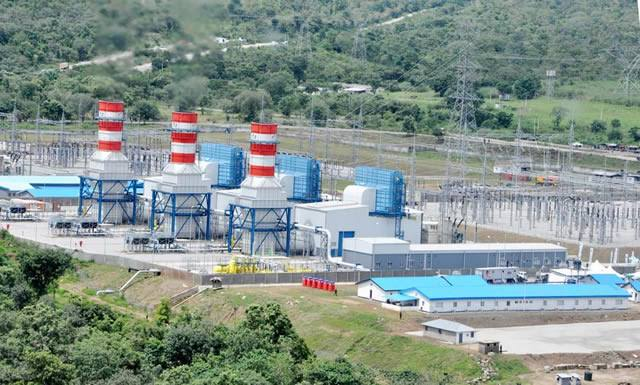
Pacific Energy Company Limited, Adeleke operates the Omotosho Power Plantin Ondo State with an installed capacity of 336.8MW and the Olorunsogo Power Plant in Ogun State with 304MW, giving a combined installed capacity of 640.8MW, making Pacific Energy one of Nigeria's largest independent power producers.
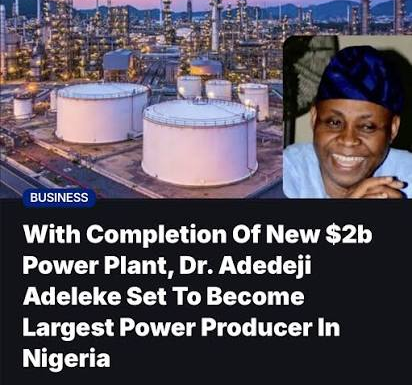
Pacific Energy, generates roughly 15% of the electricity used in Nigeria. Operating major thermal plants like Olorunsogo and Omotosho, he expanded his footprint with a massive $2 billion, 1,250-megawatt power plant in Ondo State.
Dr. Adedeji Tajudeen Adeleke is identified as the low-key Nigerian billionaire and patriarch controlling a significant stake in the nation's energy sector. As the father of artist Davido, he oversees substantial investments, including claims to generating 15% of Nigeria's electricity.
Adeleke, the quiet man behind 15% stake Adeleke is the name attached to an often-overlooked power story: the man who, through a quietly held 15% stake in electricity generation, exerts influence that is larger than his public profile suggests. While the broader headlines typically focus on operators and regulators, the real leverage in power markets frequently sits with minority but strategically placed shareholders—those with enough ownership to shape board decisions, secure offtake arrangements, and influence how generation capacity is financed, maintained, and expanded. In this case, the 15% holding functions as a control point rather than a passive investment: it can affect dividend policy, capital expenditure priorities, and the timing of upgrades that determine reliability and output. The “untold” aspect of the story is less about dramatic corporate battles and more about how such stakes are accumulated, structured, and protected—often through layered shareholding arrangements, long-term agreements, and relationships that align incentives across fuel supply, plant operations, and power purchase obligations. The result is a form of power that rarely appears in public rankings: steady, contractual, and operational, where influence is exercised through governance and economics rather than public-facing authority. New frontiers in power generation Key Power Assets and Operations
Omotosho Power Plant: Located in Ondo State (336.8MW capacity).
Olorunsogo Power Plant: Located in Ogun State (304MW capacity).
Ajebandele Plant: A $2 billion addition designed to cement his standing as a leading independent power producer, awaiting full national gas grid integration.
Identity: Dr. Adedeji Tajudeen Adeleke is a Nigerian business magnate, the president of Adeleke University, and the father of Afrobeats star Davido.
The 15% Claim: At a global church conference, Adeleke stated that his existing power infrastructure generates about 15% of all electricity consumed in Nigeria.
The $2 Billion Expansion: He spearheaded the construction of a massive 1,250-megawatt gas-fired thermal power plant in Ondo State under Pacific Energy to further expand his footprint.
Quiet Influence and Style
Low Profile: Unlike political or celebrity family members—such as his brother, Osun State Governor Ademola Adeleke—Deji Adeleke maintains a conservative, low-key lifestyle.
Diversified Holding: Beyond the energy sector through Pacific Energy, his conglomerate spans real estate, banking, agriculture, and manufacturing.
Adeleke’s untold story centers on a discreet but influential position in Pacific Holdings Limited, where he is widely understood to quietly control a 15% stake in power generation. While the broader public narrative often focuses on major operators and headline investors, this minority holding is significant because power generation assets can translate into steady influence over dispatch decisions, revenue streams, and long-term project financing—especially in markets where ownership stakes affect board representation, contractual rights, and the ability to shape operational priorities. In practice, a 15% stake may not determine day-to-day control on its own, but it can still matter materially through voting dynamics, shareholder agreements, and the leverage that comes from being a consistent, strategic participant in capital-intensive infrastructure. The “untold” aspect of Adeleke’s role is less about overt corporate visibility and more about how influence can be exercised through governance structures, asset-linked arrangements, and sustained participation in the company’s growth trajectory, allowing him to remain relatively low-profile while benefiting from the performance of power generation interests held through Pacific Holdings Limited.
Expansion and New Frontiers
To cement his influence in the energy sector, Adeleke undertook the construction of a massive new gas-fired plant.
New Capacity: Building a 1,250-megawatt thermal plant.
Investment Size: Valued at approximately $2 billion.
Strategic Goal: Poised to become one of the largest single power generation facilities in the nation upon full grid integration.
Comments (0)
No comments yet. Be the first to share your thoughts.

Comments (0)
No comments yet. Be the first to share your thoughts.