Aliko Dangotebuilt a multi-billion dollar industrial empire across Africa by shifting from simple trading to local manufacturing, focusing on basic consumer goods, and utilizing a core strategy of backward integration to produce essential everyday needs locally .
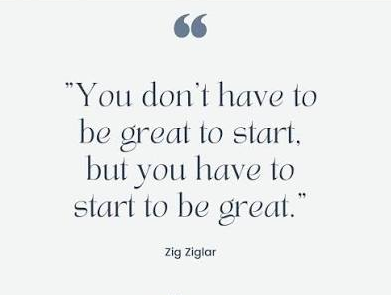
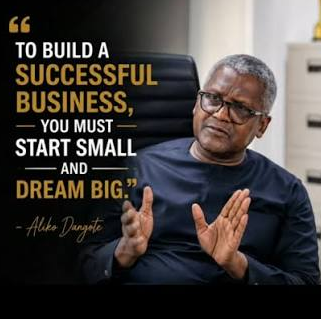
"Everything begins with a single step. Action cures fear, and the hardest part of any goal is simply taking that first imperfect leap. "
Aliko Dangote, Africa's wealthiest individual, has built an enduring system by transitioning from a commodity trader to an industrial manufacturer. His strategic model, "backward integration," shifts his businesses away from importing products to building massive domestic supply chains and manufacturing facilities across the continent. By focusing on universal, high-volume consumer essentials like Dangote Cement, Dangote Sugar, and oil refining, he creates self-sustaining economic structures that outlast market fluctuations.
The Strategic Shift: From Trader to Industrialist
In 1977, Aliko Dangote started a small trading firm in Nigeria, importing commodities like rice, sugar, and cement. While lucrative, trading left his business vulnerable to currency fluctuations, shipping delays, and policy changes.
In 1999, Dangote pivoted to manufacturing. This strategy, known asbackward integration, involves controlling the supply chain by producing raw materials and finished goods locally. This shift transformed his business from a middleman into an industrial powerhouse.
Trading Roots (1978): Started as a small-scale trader in Kano, buying and selling agricultural commodities like rice and sugar with a loan from his maternal grandfather.
Strategic Shift to Importation: Shifted focus to bulk importation of essential consumer goods, building a massive distribution network across Nigeria.
Backward Integration: Realized that importing left his business vulnerable to foreign exchange crises and supply shocks. He transitioned from trading cement to manufacturing it through Dangote Cement.
Industrial Scale: Replicated the manufacturing model across sugar, flour, and salt, eliminating reliance on foreign suppliers.
Refinery and Petrochemicals: Built the massive Dangote Refinery in Lagos to tackle Nigeria’s fuel import dependency.
Core Strategy for Enduring Systems
Backward Integration: Produce locally what the market currently imports to control the supply chain.
Essential Needs Focus: Target heavy industries and consumer goods that people use every single day, such as cement, sugar, fertilizer, and oil.
Long-Term Vision: Plan investments over decades rather than short-term financial cycles.
Infrastructure Independence: Build internal capacity like ports, roads, and power when public infrastructure falls short.
Reinvest Profits: Retain and plow capital back into expanding industrial operations rather than speculative assets.
Scalable Industrial Base: Avoid skipping secondary manufacturing steps; build heavy industrial muscle on the continent.
Institutional Legacy: Focus on creating lasting value and employment that outlasts the founder.
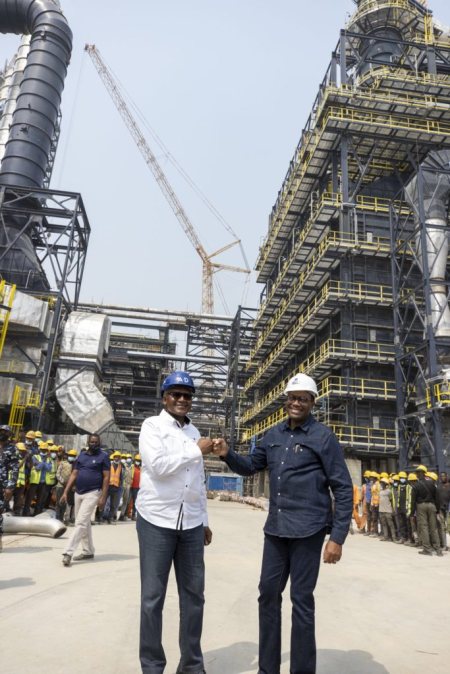
Dangote’s philosophy on building enduring systems relies on specific operational, financial, and strategic pillars . Aliko Dangote at Dangote Refinery ⚙️ Core Pillars of the Dangote Model
Backward Integration Strategy: This is his signature blueprint. Instead of relying on foreign supply chains, his system seeks total control over the production process from raw materials to final distribution.
Producing Universal Daily Essentials: Dangote deliberately focuses on commodities that humans must consume every single day—such as cement, sugar, salt, and fuel. This guarantees constant, non-negotiable consumer demand.
Aggressive Reinvestment of Profits: Rather than consuming his financial gains, he reinvests capital into heavy industries that require long-term incubation but generate massive scale over time.
Infrastructure Self-Reliance: Operating in volatile regions often means dealing with poor local infrastructure. To counteract this, Dangote builds his own roads, power plants, and logistics networks to keep his operations resilient.
Leadership and Execution Principles
Dangote’s system endures because of his long-term horizon. He routinely reinvests majority of his profits back into the business to fund capital-intensive projects. He also aligns his business goals with national economic goals, making his factories vital to the economic survival and job creation strategies of host governments.
🌍 Shifting Authority to Institutional Stewardship
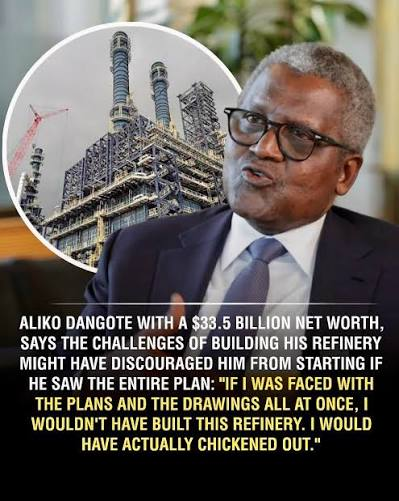
As detailed by economic observers from Alexander von der Vellen, the ultimate test of Dangote's enduring system is transforming personal authority into institutional stewardship. Mega-projects like the $20 billion Dangote Refinery require high-stakes founder-led ambition to succeed initially. However, to outlive their creator, these systems must move away from centralized founder decision-making.
Dangote ensures this longevity by hiring global experts smarter than himself to manage day-to-day operations. Furthermore, through structural philanthropy via the Dangote Foundation and clear generational inheritance plans, the systemic wealth is legally routed back into African social infrastructure—ensuring the continuity of his vision for decades to come.
Comments (0)
No comments yet. Be the first to share your thoughts.