“Nothing is too beautiful, nothing is too expensive” is the famous guiding philosophy of Bugatti founder Ettore Bugatti
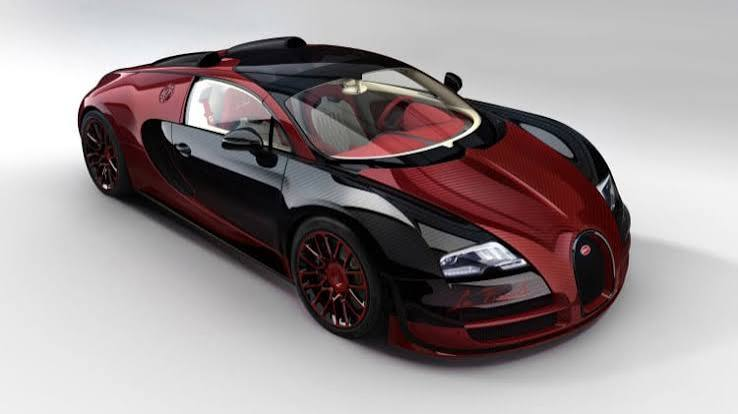
Bugatti, Old meet new Bugatti’s reputation for endurance is rooted in engineering discipline and uncompromising materials, reflected in its long-standing pursuit of extreme performance, precision manufacturing, and meticulous finishing. The brand’s cars are built to survive demanding use—tight tolerances, robust drivetrains, and carefully validated aerodynamics are engineered to maintain performance under real-world stress rather than only in controlled conditions. That same philosophy extends to cost and craftsmanship: high-grade alloys, advanced machining, bespoke interiors, and extensive testing are used to achieve reliability, refinement, and longevity. The idea that “nothing is too beautiful, nothing is too expensive” aligns with how Bugatti treats beauty as a functional outcome—design, aerodynamics, and surface quality are engineered to work together—while treating expense as a means to eliminate compromises in durability, performance, and finish.
The Founder's Philosophy
Ettore Bugatti founded the luxury car brand in 1909 in Molsheim, France.
He demanded perfection in engineering and art.
He treated every car like a fine sculpture rather than a basic machine.
Core Values
Craftsmanship: Every part was made with extreme care and high-end materials.
Performance: Bugatti cars won many races in the 1920s and 1930s.
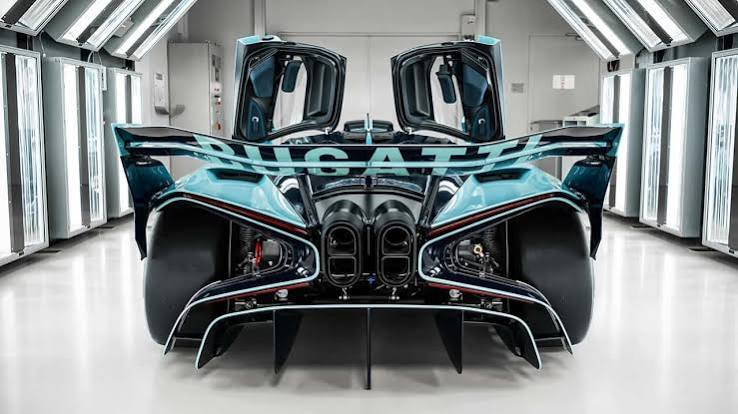
The brand continues this mindset today with hypercars like the Bugatti Veyron, Chiron, and newer hybrid models.
These cars break speed records while using luxury leather, polished aluminum, and custom parts.
"Nothing is too beautiful, nothing is too expensive" was the guiding ethos and personal motto of Ettore Bugatti, the legendary Italian-French founder of the high-performance luxury automobile manufacturer Bugatti. Born in Milan into a prominent family of artists and sculptors, Bugatti viewed automotive engineering through the lens of pure artistry. To him, a vehicle’s mechanical componentry had to be as visually flawless and elegant as the exterior coachwork.
This uncompromising vision birthed a legacy of uncompromising engineering and opulent designs that defined the brand:
Artistry in Engineering: Bugatti was obsessed with perfection. From the revolutionary cast-aluminum wheels of the race-winning Type 35 to intricate engine blocks, every part was meticulously shaped to serve both form and function.
The Majestic Bugatti Royale: Built strictly for royalty and the ultra-wealthy, the 21-foot-long Type 41 Royale featured a 12.7-liter engine and a famous dancing elephant radiator cap. It stands as one of the most exclusive and expensive cars ever built.
The Beautiful Type 57: Designed by Ettore’s visionary son, Jean Bugatti, variants like the Type 57S Atalante combined Art Deco elegance with cutting-edge, world-record-breaking performance.
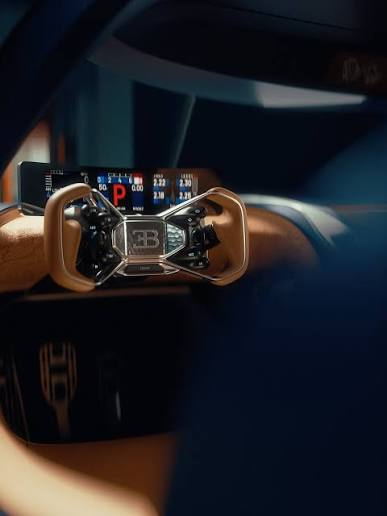
Timeless Mechanical Design: Moving away from disposable digital screens, modern Bugatti creations feature intricate, watchmaker-inspired analogue instrument clusters meant to look relevant decades from now.
Uncompromising Engineering: From the naturally aspirated V16 engine to advanced lightweight 3D-printed suspension components, every piece is forged for ultimate tensile strength, endurance, and agility.
Bespoke Craftsmanship: Through programs like Bugatti Sur Mesure and the exclusive Solitaire custom-commission tier, vehicles are hand-finished using elite materials meant to last an eternity
Comments (0)
No comments yet. Be the first to share your thoughts.

Comments (0)
No comments yet. Be the first to share your thoughts.