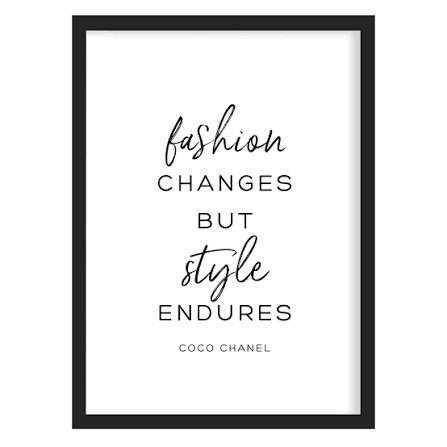
"Fashion changes, but style endures" ( Coco Chanel)
"Some people think luxury is the opposite of poverty. It is not. It is the opposite of vulgarity." (Coco Chanel)
"In order to be irreplaceable one must always be different." (Coco Chanel)
you are the shade of your existence, so express it without harming the environment (odeyemi Daniel)
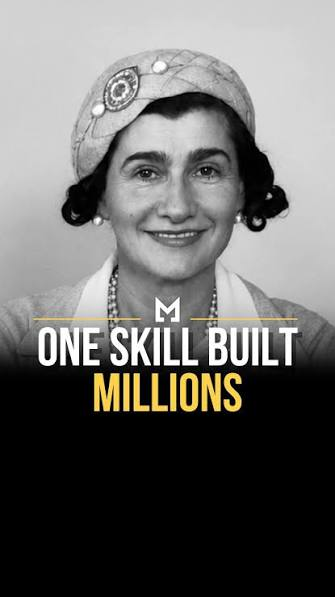
Gabrielle "Coco" Chanel transformed her childhood trauma and lower-class origins into a revolutionary fashion empire that redefined modern womanhood. Her life was a masterclass in self-invention, using style as armor and an identity.
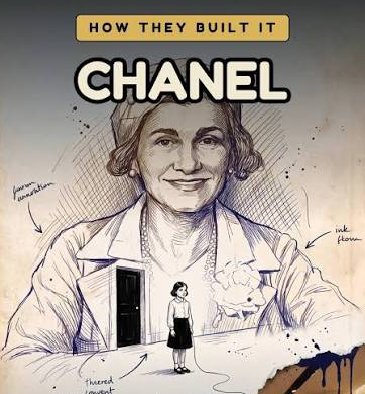
Chanel transformed her childhood trauma into a global luxury empire. Born into poverty and abandoned in an orphanage, she used rigid monastic aesthetics, masculine silhouettes, and sheer determination to strip women of corsets and redefine modern fashion. Built to Endure
Coco Chanel, born Gabrielle Bonheur Chanel in 1883 in Saumur, France, grew up as an orphan after her mother died in 1895 and her father left the family. Raised in a convent-run orphanage, she learned basic discipline and sewing, skills that later became the foundation of her career. As a teenager she worked in domestic roles and, while supporting herself, began performing as a singer in local venues, earning the nickname “Coco,” which eventually became her public identity. In 1909 she opened a small millinery shop in Paris, selling hats and simple accessories that reflected a practical, modern taste. Her early designs gained attention for their clean lines and understated elegance, and she expanded into ready-to-wear clothing as demand grew among women who wanted comfort without sacrificing style. Chanel’s rise accelerated in the 1910s and 1920s as she introduced a more relaxed silhouette and popularized the use of jersey fabric, traditionally associated with undergarments, for outerwear. She also helped reshape women’s fashion by promoting sportswear-inspired elements and freeing clothing from excessive decoration, aligning her work with broader social changes in postwar Europe. In 1921 she launched the Chanel No. 5 fragrance, a landmark product that combined modern marketing with a distinctive scent profile and became one of the most enduring perfumes in the world. Her brand’s identity was reinforced through signature design choices—such as the little black dress, costume jewelry, and streamlined tailoring—that emphasized versatility and longevity rather than fleeting trends. Chanel’s personal life and business decisions were not without controversy, and her career faced interruptions during World War II, but her influence persisted through the resilience of her designs and the strength of her brand. By the time she returned to fashion leadership after the war, her aesthetic had already established a lasting standard for modern femininity. Chanel’s enduring legacy lies in how she built an identity from limited beginnings—turning early hardship into craft, then craft into a global fashion system—so that her style continues to be recognized for its simplicity, functionality, and lasting appeal.
Aubazine Abbey: Abandoned at age 12 after her mother's death. Aesthetic Roots: Nuns' habits inspired her signature black and white palette. Strict Geometry: Convent architecture influenced her clean, minimalist lines. Sewing Skills: Learned the trade from charity nuns, fueling her future.
2. Deconstructing the Belle Époque The Norm: Women wore restrictive corsets, heavy skirts, and giant hats. Chanel's Rebellion: Stripped away excess ornamentation to prioritize movement. Boyish Silhouette: Popularized the garçonne look with flat chests and short hair. Sartorial Freedom: Adapted menswear elements like collars, cuffs, and trousers.
3. Material Innovations
Jersey Fabric: Repurposed a cheap textile previously reserved for men's underwear. Fluid Motion: Jersey allowed garments to drape naturally and move freely. Democratic Luxury: Made chic fashion accessible and physically comfortable. High-Low Mix: Paired costume jewelry and fake pearls with high-end designs.
4. Iconic Foundations of the Identity The Little Black Book: Transformed black from a color of mourning into the height of chic. Chanel No. 5: Debuted in 1921 as the first perfume to feature heavy synthetic aldehydes. The Chanel Suit: Introduced a collarless, braid-trimmed tweed jacket with a slim skirt. The 2.55 Bag: Added a shoulder strap to hand-clutches, freeing women’s hands.
5. Survival and Darker Alliances
Great Depression: Closed her shops down in 1939 at the start of WWII. Wartime Cooperation: Documented history shows she operated as a Nazi intelligence operative (Agent Westminster). The Comeback: Returned to Paris fashion in 1954 at age 71 to counter the restrictive "New Look" by Christian Dior. you are the shade of your existence, so express it without harming the environment(odeyemi Daniel) The Elements of Endurance
Self-invention: She completely rewrote her life story to escape social stigma.
Borrowing from men: Adapted masculine sportswear, pockets, and tweed for women.
Monogram branding: Pioneer of using the interlocking "CC" logo as a status symbol.
Function over flair: Designed pieces that allowed women to lead active, professional lives.
The Pillars of a Fearless Identity
The Little Black Dress: Shifts black from a color of mourning to the height of chic.
Chanel No. 5: Launches the first synthetic perfume, creating an abstract, unforgettable scent.
The 2.55 handbag: Adds a shoulder strap to bags, letting women keep their hands free.
Costume jewelry: Mixes fake pearls with real gems to make style accessible and bold.
Comments (0)
No comments yet. Be the first to share your thoughts.