"You can never break a woman who finds beauty in everything, even in pain. She turns her scars into wisdom, her struggles into strength and her setback into comeback"
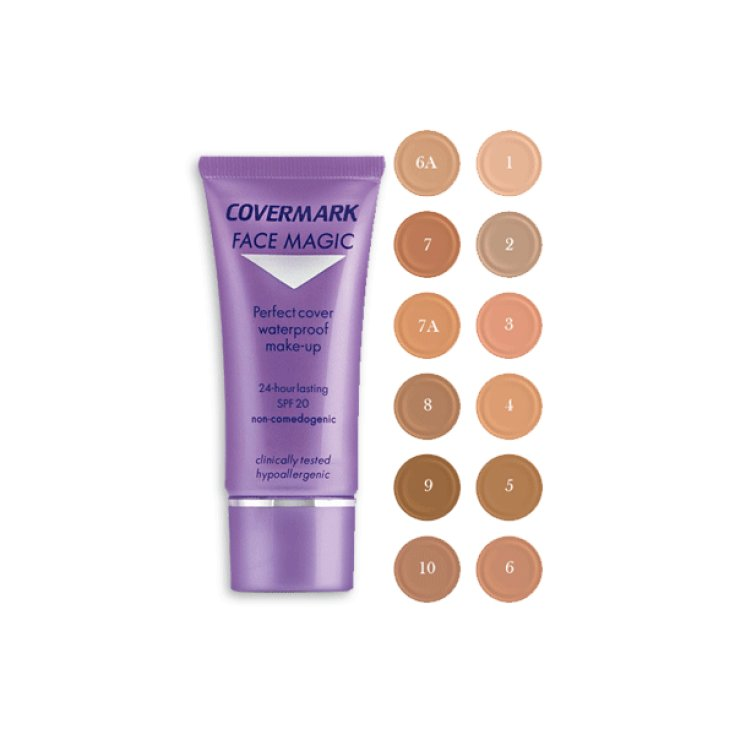
Lydia O’Leary, an American innovator who turned personal adversity into a global triumph by creating Covermark, the world’s first successful medical camouflage cosmetics line.
In the world of cosmetics, few names carry as much emotional weight and transformative power as Covermark. At the heart of this global brand is the story of Lydia O'Leary, an artist and entrepreneur whose personal battle with a severe facial birthmark changed the face of corrective makeup forever. Her journey from a sidelined young woman to a pioneering CEO is a masterclass in turning personal adversity into a triumph that liberated millions.
Built to Endure: Covermark tells the story of a scarred woman who transformed adversity into triumph by creating a cosmetic designed to restore confidence and conceal visible marks. After facing the lasting effects of injury, she recognized a gap in products that could reliably cover scars while still looking natural, and she set out to develop a solution that prioritized both performance and comfort. Her work resulted in a specialized cosmetic approach focused on durable coverage, skin compatibility, and dependable results across everyday conditions, aiming to help people regain control over how they present themselves. Covermark’s creation reflects a practical, outcome-driven mindset: rather than treating appearance as superficial, it frames concealment as a form of empowerment for those dealing with trauma or disfigurement, turning personal hardship into a product built to endure. From imperfection to perfect
The Adversity
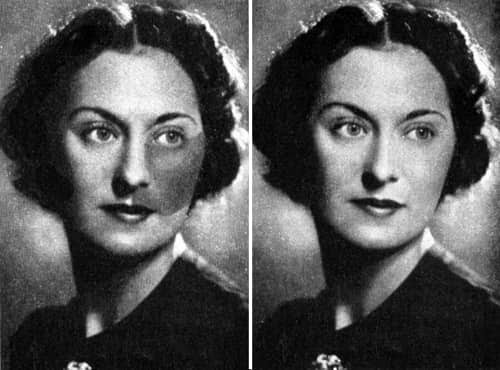
Born in 1900, Lydia O’Leary grew up with a large, deep-purple port-wine stain birthmark (nevus flammeus) that covered half of her face. Despite graduating from college with excellent grades and training as a teacher, she faced cruel rejections when she moved to New York. Department stores refused to hire her for retail sales jobs, explicitly stating that her facial disfigurement made her unsuited to work with the public.
The Spark of Genius
Instead of giving up, Lydia took up painting. One day while working on a canvas, she accidentally made a dark blemish on her painting. She quickly mixed a different shade of pigment and painted completely over the mistake, making it vanish. This simple act sparked a profound realization: if she could completely mask a dark mistake on a canvas, she could do the same for her face.
Using her knowledge of chemistry, she spent years blending water, zinc powder, and glycerin at home until she created an opaque, natural-looking, and waterproof formula that completely concealed her birthmark.
The Trial and Triumph
Lydia officially introduced Covermark in 1928, launching a brand-new field known today as "cosmeceuticals". However, her greatest hurdle came when she applied for a patent. The U.S. Patent Office rejected her application, arguing that her creation was merely a regular beauty cosmetic, which could not be patented.
Lydia appealed the decision and took her case to a panel of federal appellate judges. In a legendary moment of courtroom theatrics, she stood before the judges wearing her formulation, and then wiped it off to reveal her birthmark right before their eyes. The astonished judges immediately realized her product went far beyond standard makeup—it was a life-changing medical corrective tool. In 1932, she was granted a patent, making Covermark the first and only makeup foundation ever to receive a U.S. patent. An enduring brand A Lasting Legacy
Lydia’s invention completely transformed how the world viewed cosmetics:
Medical Rehabilitation: During and after World War II, Lydia worked closely with dermatologists and plastic surgeons to help rehabilitate and restore the confidence of severely burned and scarred war veterans.
Expanding Boundaries: In the late 20th century, Covermark broke traditional makeup barriers by actively marketing to men and children suffering from severe skin conditions, burns, vitiligo, and scars.
Global Recognition: Lydia O'Leary's groundbreaking work was so profound that her story and invention were eventually featured in the Smithsonian Institution alongside legendary inventors like Thomas Edison and Alexander Graham Bell.


Comments (0)
No comments yet. Be the first to share your thoughts.