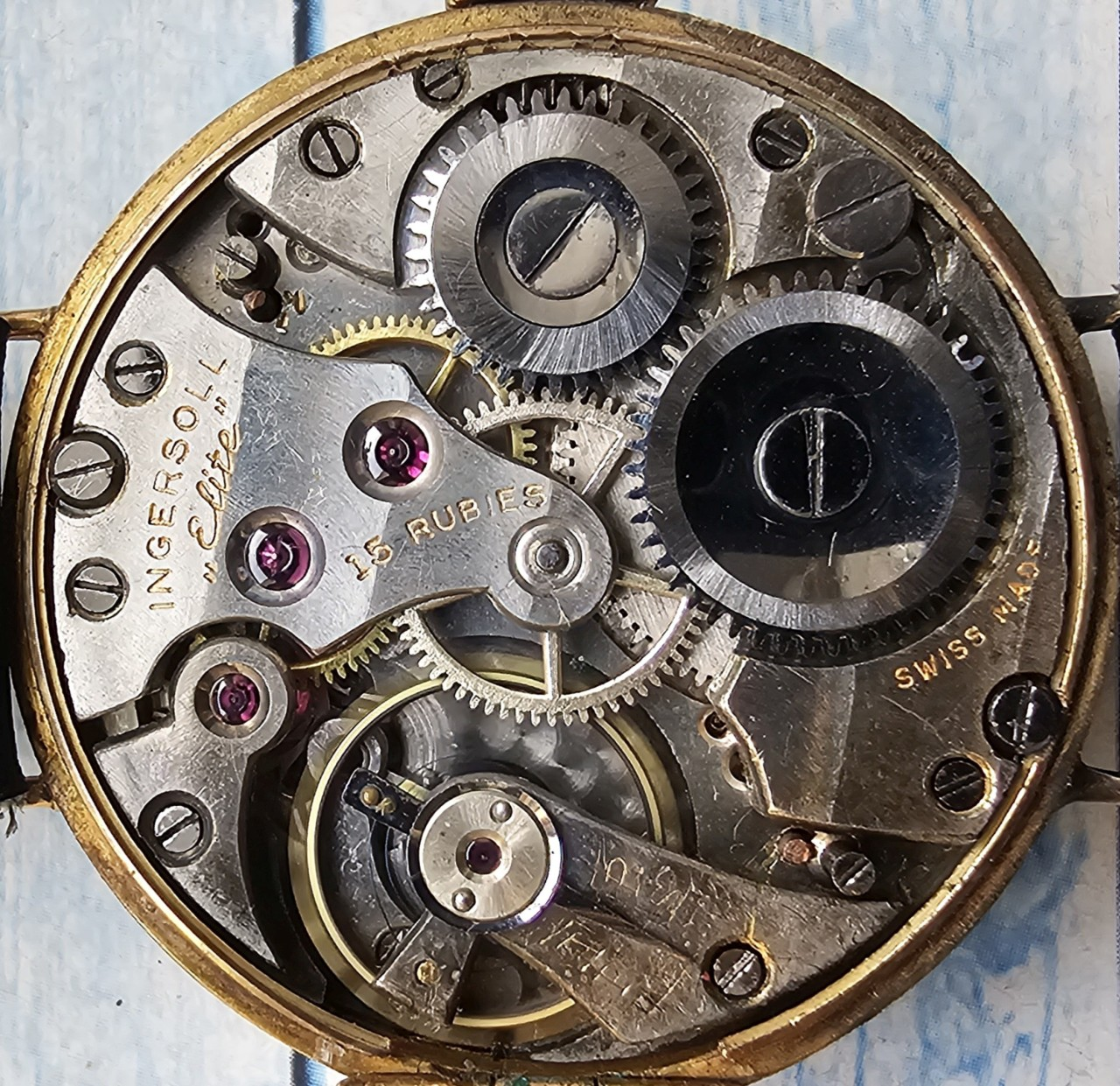
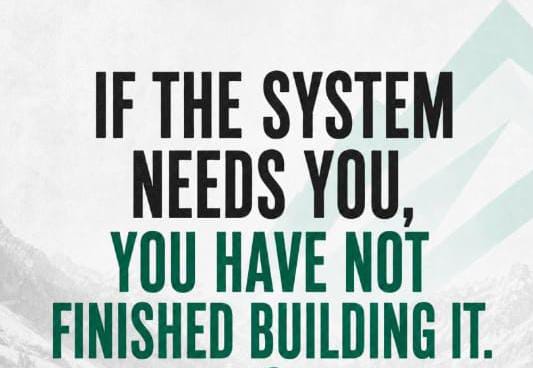
Build the clock first and time will tell the stories The system you are building is also building you. Build the clock first and time will naturally tell your stories An Enduring Systems is the Holy Book that guild an organization growth.
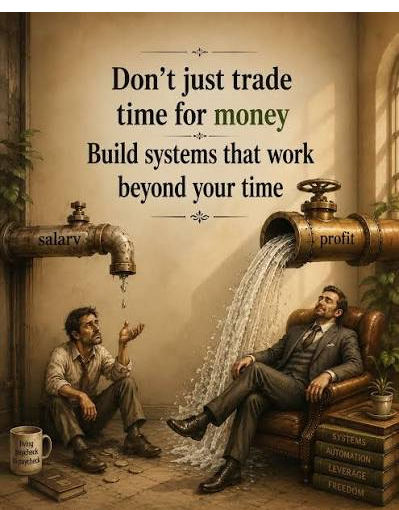
To build an enduring system instead of just reacting to the moment, shift from "telling time" (solving daily fires with personal heroics) to "building the clock" (creating self-sustaining frameworks that thrive without you). Enduring structures rely on documented principles, distributed autonomy, and continuous self-editing rather than individual willpower.
Codify Values over Rules: Embed core principles so teams make aligned decisions independently.
Design for Autonomy: Distribute information and authority so operations do not bottleneck on a single leader.
Remove Daily Friction: Rely on structural rails and automation rather than constant motivation.
Schedule Periodic Audits: Routinely strip away legacy processes that create drag instead of value.
Time Telling vs. Clock Building
Feature Time Telling (Fragile) Clock Building (Enduring) Focus | Finding a single brilliant answer | Creating a mechanism to generate answers Dependency | Relies on a charismatic leader | Thrives long after the leader leaves Operation | Reactive problem-solving | Proactive structural design
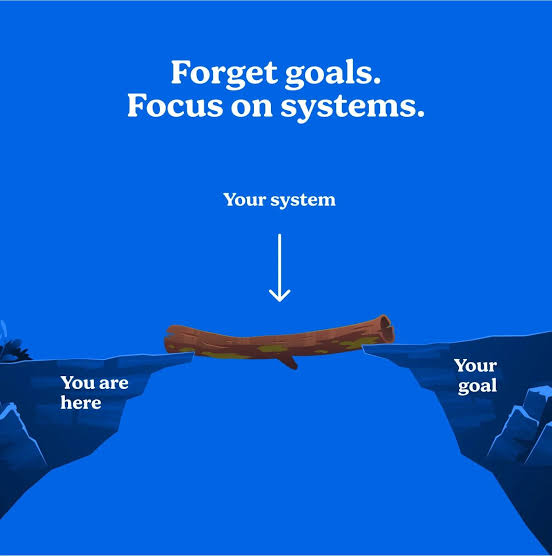
Build the clock first and time will tell the stories To endure, you must shift your focus from individual effort to repeatable architecture by embracing core principles: clock building over time telling, process over motivation, and resilience over speed. True legacy is not about being the hero who solves the immediate crisis, but about constructing a machine that runs smoothly when you are not in the room.
Identify the absolute minimum value your system must provide. Protect this core at all costs. Keep the code or rules governing this engine simple, readable, and deeply documented. Complex features should sit on the periphery, not in the foundation.
2. Establish Strict Protocols
Standardize your inputs and outputs. When interfaces between different parts of your system are rigid and well-defined, you can completely swap out internal components later without disrupting the whole machine.
3. Implement Continuous Monitoring
You cannot maintain what you do not measure. Build comprehensive logging and telemetry. Watch for performance degradation over time, not just sudden crashes. Anticipate friction before it causes a halt.
4. Design for Evolution
Assume the future will demand changes you cannot foresee today. Write your system to
Comments (0)
No comments yet. Be the first to share your thoughts.