Michael Jordan did not just sell shoes—he sold a feeling, a mindset, and an identity that reshaped global culture.When Nike partnered with Jordan in 1984, they shifted the entire paradigm of sports marketing away from technical specifications and directly toward pure emotion. By focusing on the feeling of defying gravity and a relentless refusal to accept being second, the Air Jordan brand became an enduring empire.
The Psychology of Air Jordan
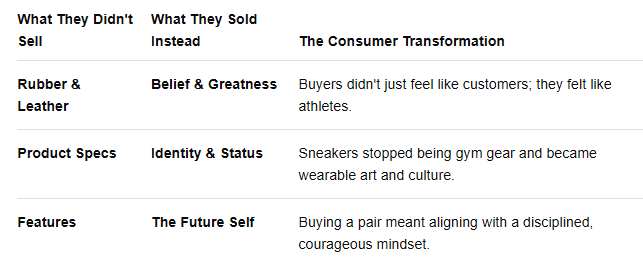
Defying Gravity: Early commercials did not focus on leather quality or rubber grip. They showed Jordan suspended in mid-air, making buyers feel they could fly too.
The Rebel Appeal: When the NBA banned his black-and-red shoes, Nike paid the fines. The sneakers instantly became a symbol of individuality and going against the rules
Michael Jordandidn’t simply sell shoes—he sold a feeling of belief, discipline, and relentless pursuit that people could wear and carry with them. Built to Endure captures how his brand was grounded in performance and psychology as much as in design: the shoes were engineered for traction, support, and impact protection, while Jordan’s public persona turned every game into a promise that effort would be rewarded. Through championships, highlight moments, and a consistent message of competitiveness, he made the product symbolic—something that represented durability under pressure, not just materials. The result was a cultural shift where the footwear became a wearable identity, linking athletic function to emotional payoff, and helping Jordan’s influence extend far beyond the court.
Enduring Legacy
Identity Over Utility: Owning a pair of Jordans became a statement of culture, fashion, and personal achievement.
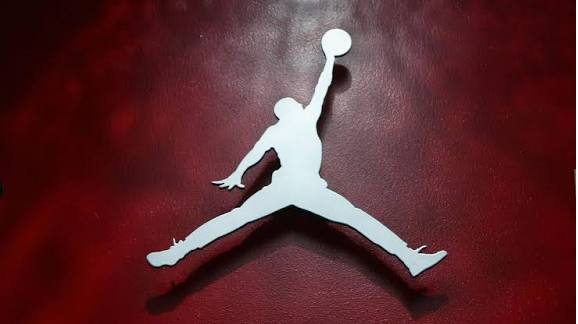
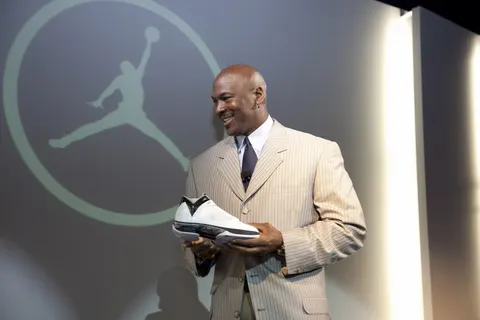
The Jumpman Symbol:His distinct silhouette replaced standard corporate logos, merging the athlete's personal brand with the product.
The Absence of Specs: Jordan never appeared in commercials breaking down the technical features, foam cushioning, or mesh patterns of his shoes.
The Focus on Greatness: Every iconic commercial focused entirely on a single image—Jordan suspended in the air, seemingly breaking the laws of physics.
The "Jumpman" Identity: Replacing the corporate Nike swoosh with his personal silhouette transformed the shoe from a piece of sportswear into a badge of status, fashion, and culture.
By selling the human desire to excel rather than a physical commodity, the brand built an ecosystem where fans eagerly stood in lines for hours. Decades after his final game, the Jordan Brand continues to bring in billions annually, proving that while product features can easily be copied, a deep emotional connection is built to endure .

Comments (0)
No comments yet. Be the first to share your thoughts.