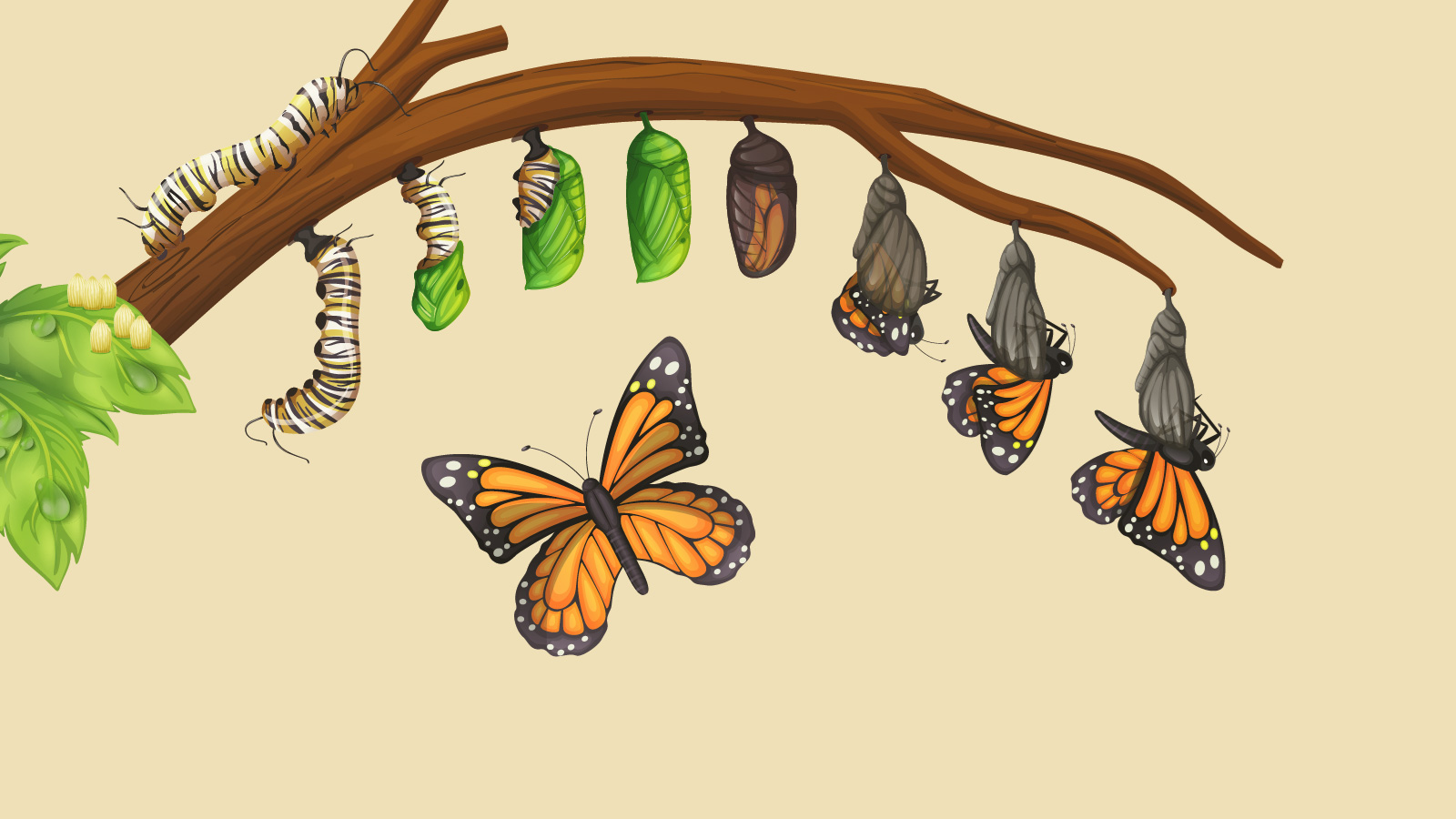
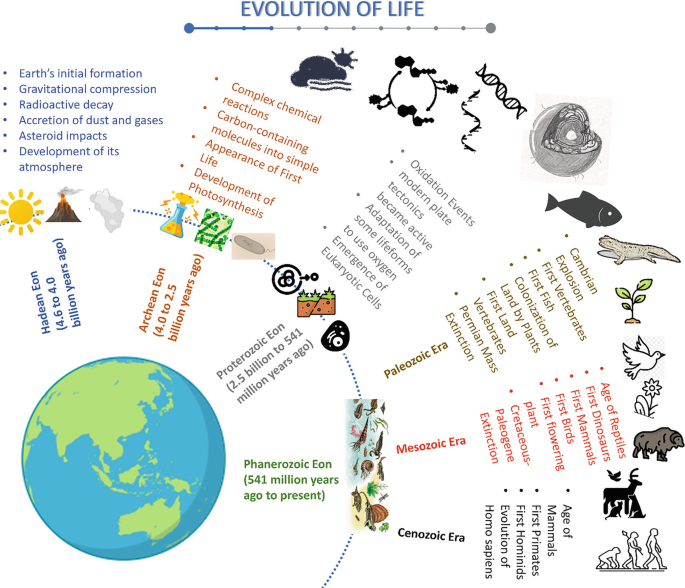
Evolutionary growth is the gradual process by which living things, systems, or ideas adapt, change, and survive over long periods through continuous small improvements.
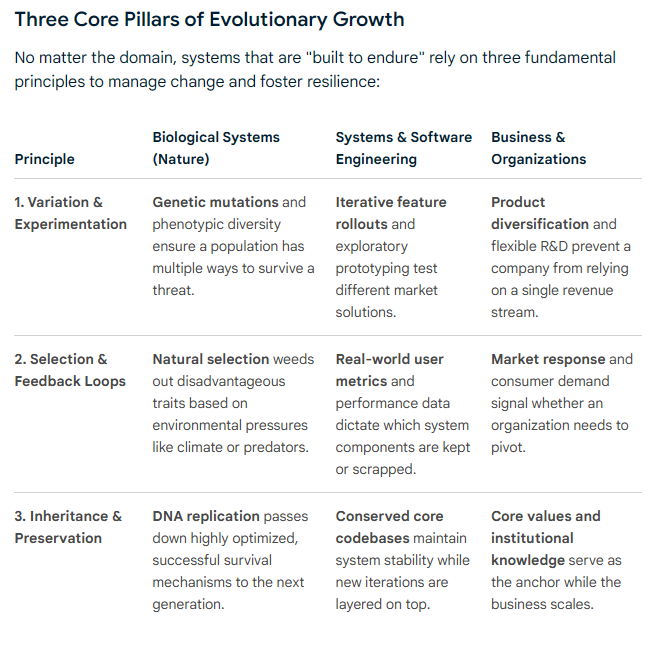
"Built to Endure: The evolutionary growth"highlights how systems—whether biological organisms, technological frameworks, or business ecosystems—survive and thrive over long periods through continuous, iterative adaptation.
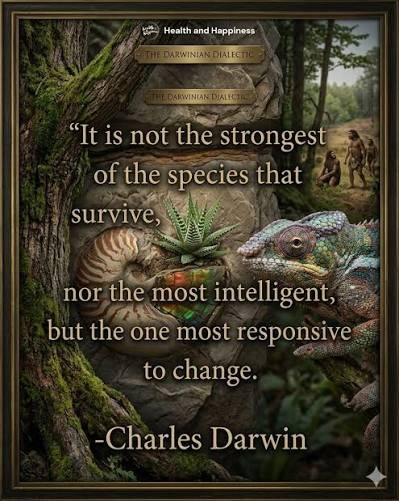
Rather than relying on a static design, true endurance is achieved through evolutionary growth, where entities constantly modify their traits to fit changing environments.
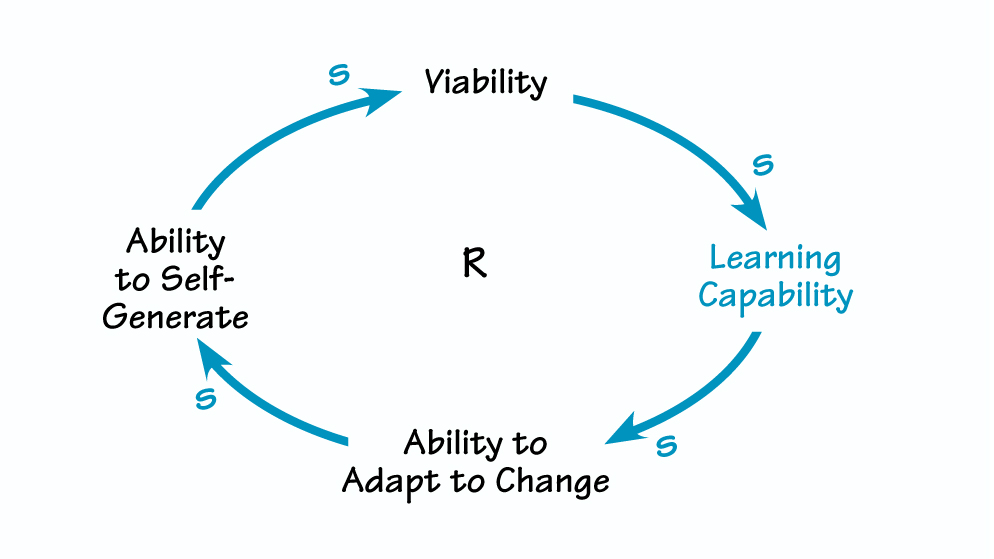
Building an enduring company requires shifting from a static "built to last" mindset to a dynamic, continuous process of adaptation and organizational learning.
Adaptation: Organisms and systems change physical or structural traits to match shifts in their environment.
Iteration: Systems develop in a series of working steps, using feedback from each step to make the next version stronger.
Survival of the Fittest: Traits that help an entity handle stress or competition get passed down, making the overall group more resilient.
Examples in Nature and Society
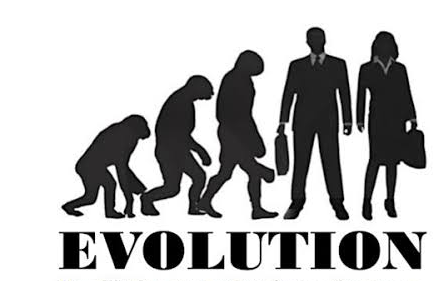
Human Skeletons: Over millions of years, human bones became lighter and jaws became smaller as we learned to cook food and use tools instead of brute force.
Modern Technology: Software and businesses use evolutionary development to release early versions, gather real-world data, and upgrade capabilities continuously rather than planning everything at once. Company evolution
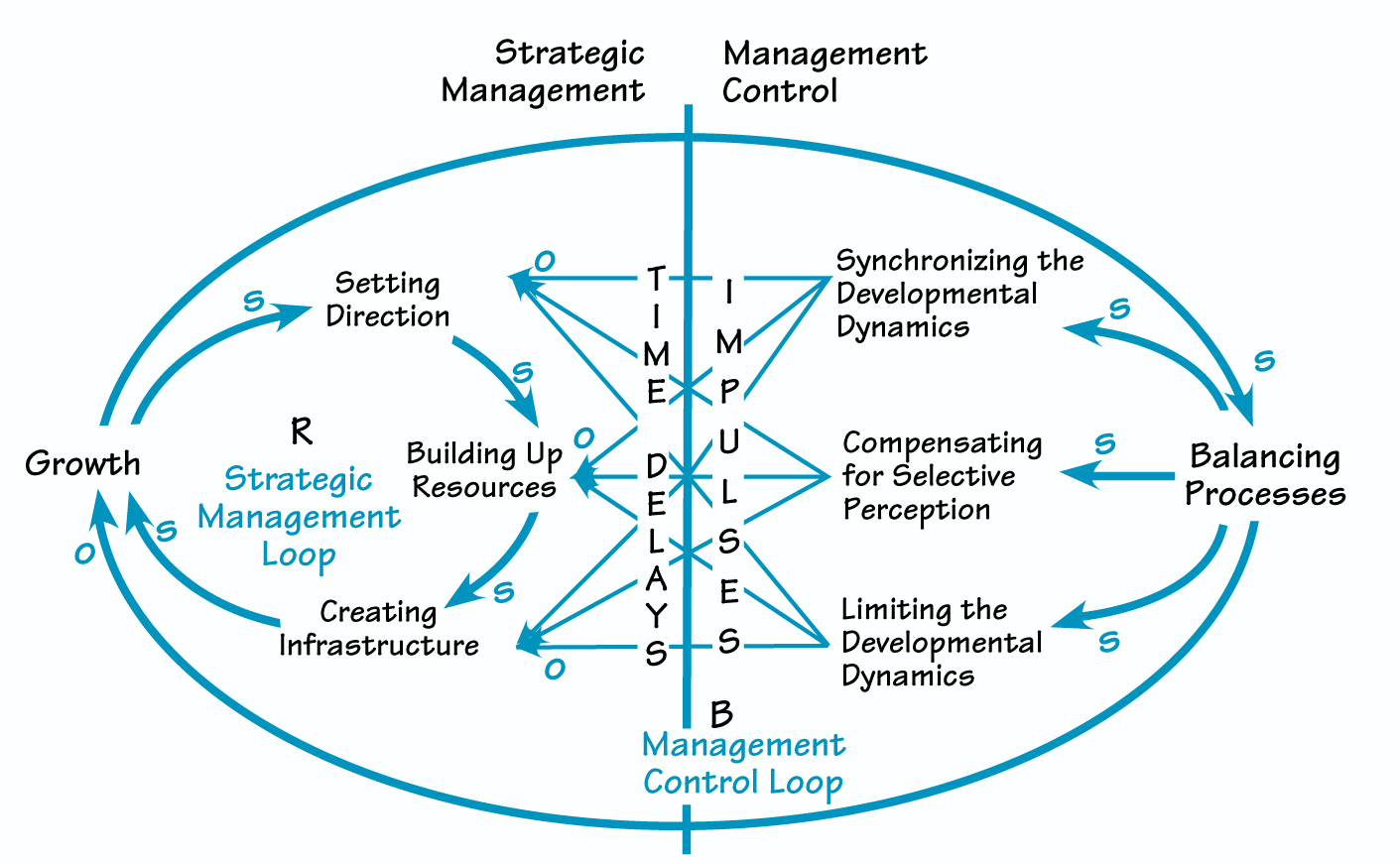
Traditional business strategy often treats longevity as a fixed destination. Modern enterprise perspectives emphasize that organizations must be built to evolve—treating operations, digital capabilities, and strategies as living systems
Principles for Longevity
Preserve the Core: Maintain core values and a clear sense of purpose while changing strategies and tactics.
Fast Feedback Loops: Use customer insights and market data for ongoing recalibration rather than relying on rigid, multi-year plans.
Clock Building: Focus on organizational design and leadership pipelines rather than depending on a single charismatic leader.
To achieve evolutionary growth, a company must anchor itself in foundational principles while remaining aggressively adaptable:
Preserve the Core, Stimulate Progress: Enduring companies hold their core values sacred while constantly changing their products, structures, and business models to fit the times.
Adaptive Experimentation: They treat market changes as evolutionary pressures, launching small experiments and scaling what works.
Operational Resilience: Building strong balance sheets with low toxic debt ensures the company can survive macroeconomic downturns that wipe out brittle competitors.
Cult-Like Culture: Alignment around a shared mission creates an internal environment where employee choices naturally advance the company's long-term goals.
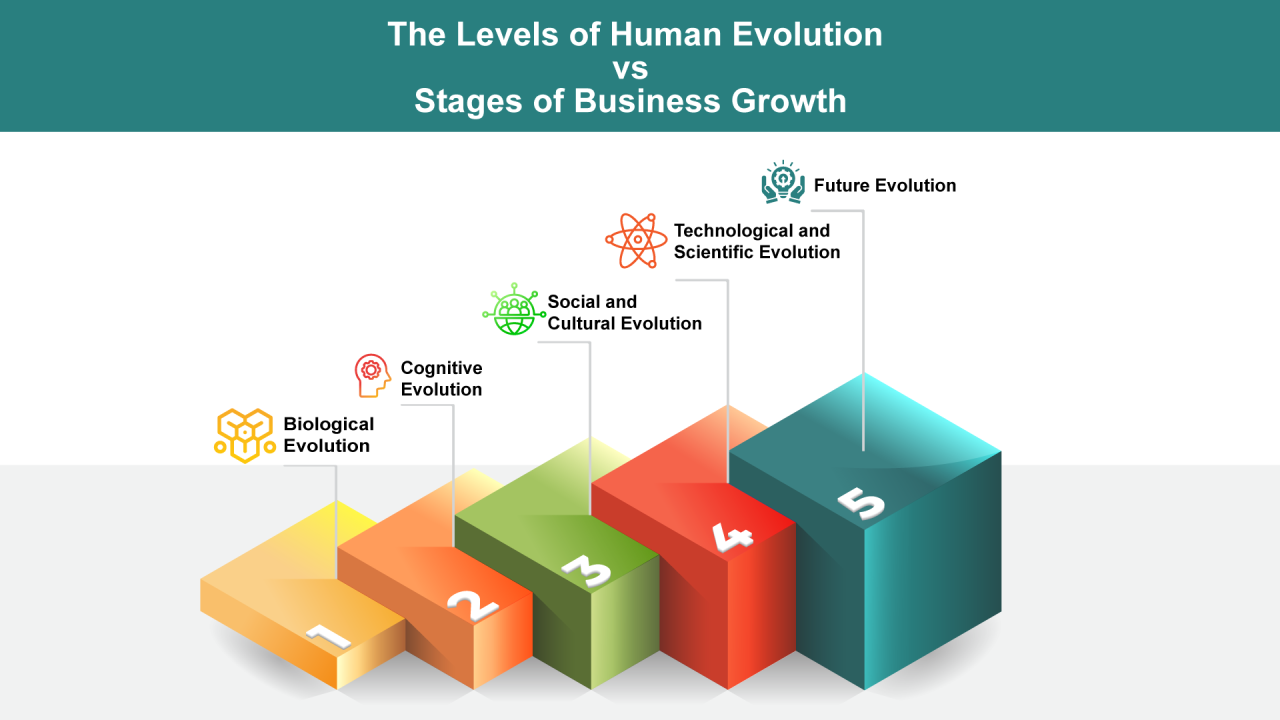
Mutation (Startup Phase): The company experiments rapidly with new ideas, products, or business models to find product-market fit.
Selection (Scaling Phase): The market "selects" the winning variation. The company aggressively pours resources into capitalizing on this specific edge.
Retention (Maturity Phase): The winning processes are standardized, institutionalized, and optimized for maximum efficiency and profitability.
Renewal (Transformation Phase): To avoid extinction from industry disruption, the company deliberately disrupts itself, starting a new cycle of mutation.

Comments (0)
No comments yet. Be the first to share your thoughts.