Business Ideas & Implementation
Built to Endure : The Okomu Oil Palm Company Plc. , Nigeria
August 15, 2026 · 32 views ·by Odeyemi Oluwafemi
The future does not get better by hopes it gets better by plans and actions.
The poor hopes One day they will become rich, the rich plans Everyday to remain rich .
Start small but think Big.
Okomu Oil Palm Company Plc started plans of planting palm oil trees in Edo State in 1976.
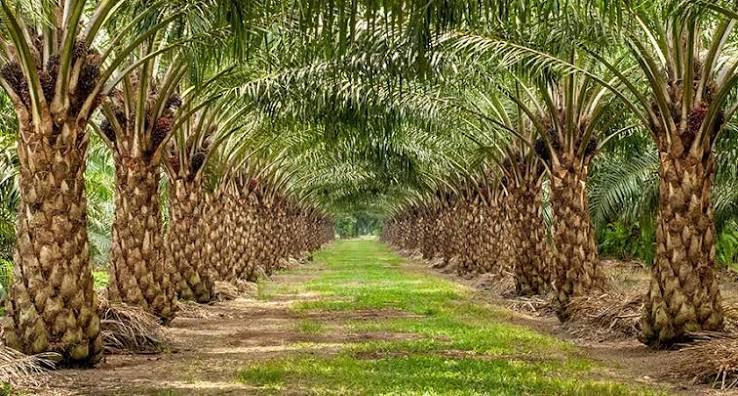
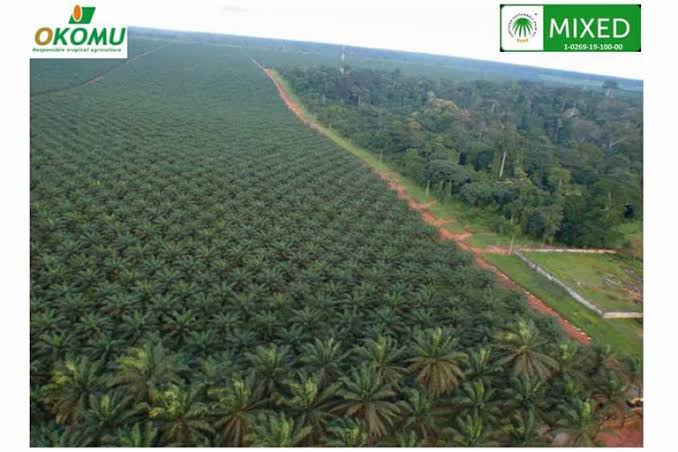
In 1976 Okomu company planted the first palm tree in old Bendel state. In 2022 they have planted 2,800,000 palm oil trees 🌲 in present day Edo State.
The state change names, the actors come and go, but the palm oil tree well rooted keeps the oil production going
short term gain are not capital gain , delayed gratification is the ultimate gain.
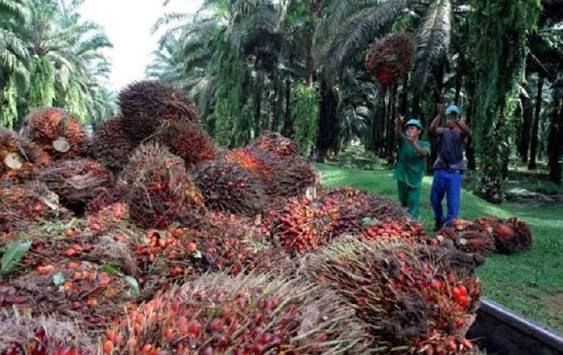
Plant palm trees, wait and nature it, watch it grow, then wait some more.. then after 5 years , slowly and continually take oil from it for 40 years.(Delayed Gratification).
when you are 70 years old , sit under your palm trees and enjoy the breeze allow others to take oil on your behalf while they give you royalties. ( self sustainable).
start something today, watch it grow, and grow through the pain of making the gain
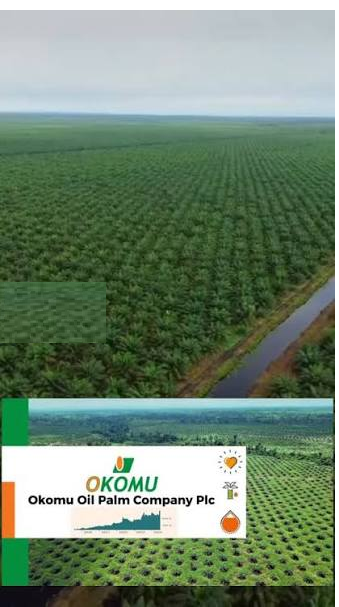
Okomu Oil Palm Company Plc is a Nigeria-based company that is involved in oil palm plantations, palm kernel processing, and rubber plantations. Okomu Oil produces crude palm oil, palm kernel, palm kernel oil, and palm kernel cake. In 2023, Okomu Oil's revenue grew by 26.61% year-over-year to N75.108 billion.
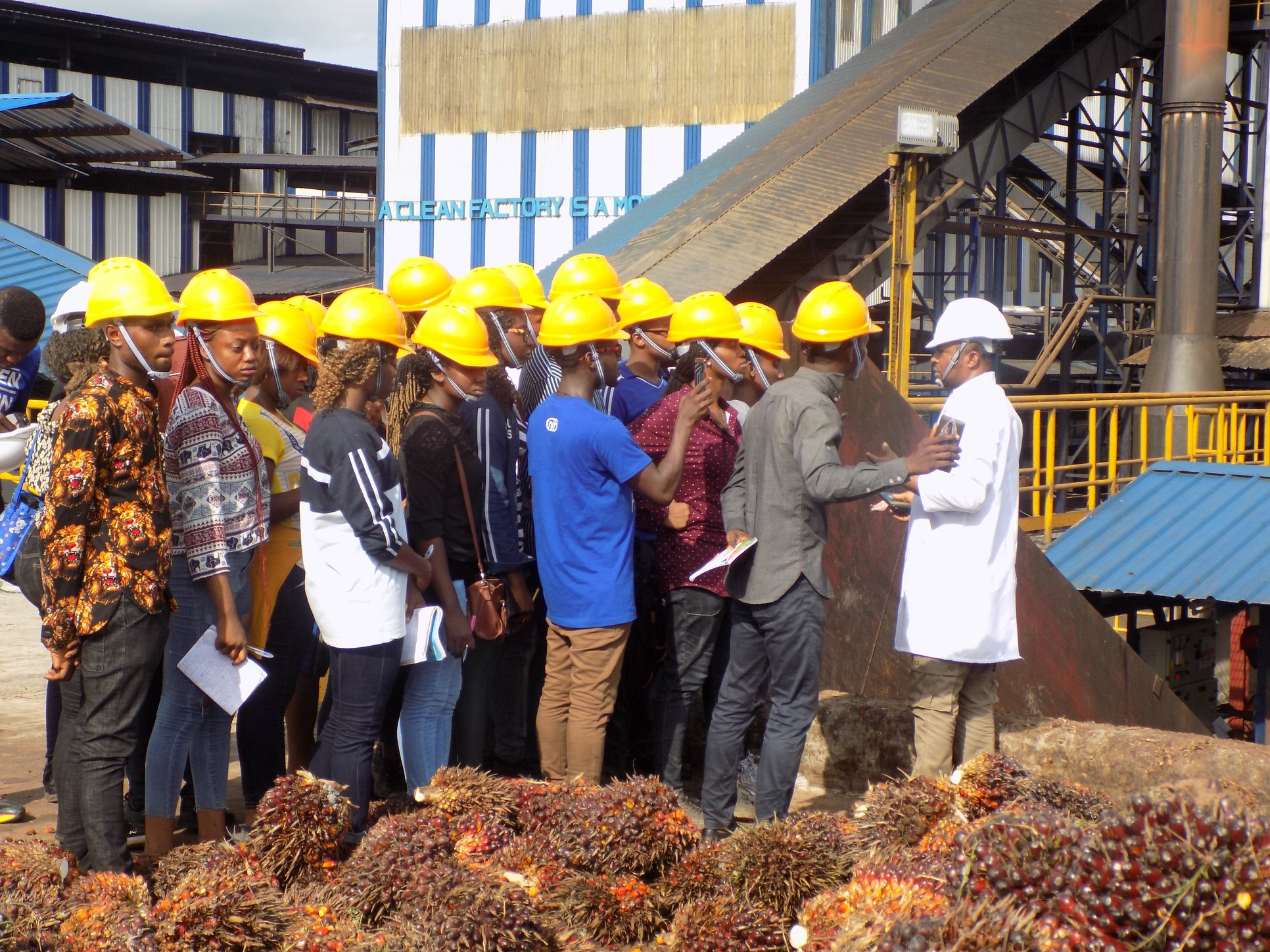
Built to Endure: the Okomu Oil Palm Company Plc is a long-established Nigerian agribusiness focused on the cultivation of oil palm and the production and processing of palm oil and related products. The company operates large-scale plantations and processing facilities designed for continuous output, supported by structured agronomy practices, maintenance programs, and quality controls across the value chain. Its operations are organized to manage crop productivity over multi-year planting cycles, protect yields through pest and disease management, and ensure consistent milling performance through planned upkeep of extraction and refining equipment. Okomu’s endurance is reflected in its emphasis on operational discipline, workforce capability, and long-term investment in plantation development, which together help sustain supply reliability for both domestic and export markets.
Today Okomu oil Limited is still planting palm oil trees and selling palm oil at per barrel at the Nigerian stock Exchange floor
History and Evolution
1976: Founded as a government pilot initiative to revive local palm oil production.
1990: Privatized and listed on the Nigerian Exchange, with the Socfin Group becoming a primary shareholder.
Present: Operates extensively in palm oil and rubber processing, recognized for long-term economic contributions in Nigeria.
Core Operations
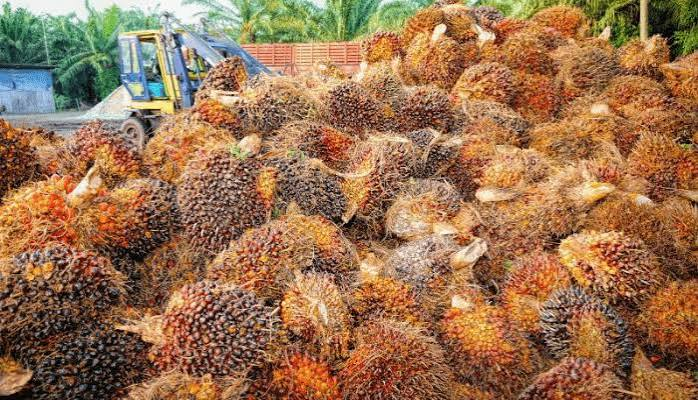
Products: Cultivates and processes oil palm (crude palm oil, palm kernel, palm kernel oil) and rubber (latex, rubber cake).
Sustainability: Implements circular production, utilizing biomass boilers from residual fibers and shells to make mills energy self-sufficient.
Certifications: Holds international standards including ISO 9001, ISO 14001, ISO 45001, and Roundtable on Sustainable Palm Oil (RSPO) compliance.
📊 Corporate & Financial Fortitude
Okomu has systematically insulated its business model from macroeconomic shocks through institutional scale, advanced technology, and disciplined cash management.
- Outstanding Revenue Performance: In 2025, revenue reached ₦198.1 billion, driven predominantly by high-margin domestic sales which insulate the firm from foreign exchange traps.
- High Profitability Margins: The company delivered a Profit Before Tax of ₦90.6 billion and a net profit of ₦57.9 billion for 2025, yielding an EPS of ₦60.75.
- Aggressive Capital Reinvestment: Funded by internally generated cash and long-term partnerships with institutions like Zenith Bank, Okomu aggressively deploys capital into industrial mill expansions and pre-cropping biological assets to secure forward-looking production capacity.
- Shareholder Value & Returns: With dividend payouts (such as ₦55.00 per share in 2025) and consistent stock price appreciation, it remains a blue-chip favorite for long-term investors.
💡 The Operational Playbook
Okomu's capacity to endure stems from building industrial systems that move farming away from seasonal volatility and into structured manufacturing.
- Agronomical Excellence: Achieves a highly optimized fresh fruit bunch (FFB) yield of 16.68 tonnes per hectare and a rubber dry yield of 1.78 tonnes per hectare.
- Industrial Vertical Integration: Operates on-site processing units, converting harvested biological assets into Crude Palm Oil (CPO), Palm Kernel Oil (PKO), Palm Kernel Cake, and rubber cup lumps directly on its concessions.
- Energy Self-Sufficiency: Utilizes a completely circular method where residual crop fibers and shells fuel biomass boilers, powering turbines that generate independent, renewable electricity for its entire milling process.
🌿 ESG & Institutional Sustainability
Endurance requires a license to operate, and Okomu has actively anchored its legacy in strict international standards.
- Leading Certifications: It was the first oil palm entity in Edo State to secure the prestigious Roundtable on Sustainable Palm Oil (RSPO) certification, complemented by triple ISO standards: ISO 9001 (Quality), ISO 14001 (Environment), and ISO 45001 (Safety).
- Regulatory Compliance: Proactively audits its rubber operations against the European Union Deforestation Regulation (EUDR) to seamlessly protect international export pathways.
- Social Impact Commitments: Injects hundreds of millions of Naira annually (₦702.2 million in 2025) into corporate social responsibility across 29 host communities, providing infrastructure, educational bursaries, and healthcare centers to balance land conflicts with meaningful local partnerships.
⚠️ Strategic Headwinds & Risks
While structurally robust, Okomu navigates complex operational threats:
- Community & Land Disputes: Operating within historically gazetted forest reserves occasionally fuels frictions with local communities over land ownership boundaries and usage rights.
- Input Costs & Insecurity: General inflationary pressures, local supply chain security, and currency fluctuations for importing heavy industrial parts demand strict risk-mitigation policies.
Comments (0)
No comments yet. Be the first to share your thoughts.