The phrase "Built to endure: Volkswagen, same bone but different bodies" perfectly describes Volkswagen Group's revolutionary strategy of platform sharing.
By engineering a single, highly durable structural foundation (the "bone"), Volkswagen can build dozens of completely different vehicle models (the "bodies") across its various brands, including VW, Audi, SEAT, Škoda, and Cupra.
Here is a breakdown of how this strategy works, the "bones" they use, and why they are built to last.
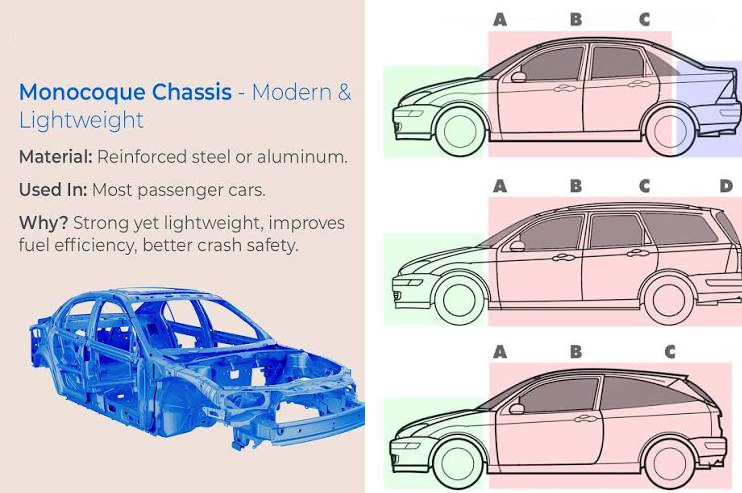
Volkswagen transitioned from building individual chassis to modular matrix platforms. This allows them to stretch the wheelbase, change the ride height, and swap body styles while keeping the core mechanicals the same.
MQB (Modular Transverse Matrix): The ultimate internal combustion engine (ICE) backbone. It underpins everything from compact hatchbacks to three-row SUVs.
MEB (Modular Electric Drive Matrix): The modern electric "skateboard" foundation designed specifically for the ID. series and other EV models.
MLB (Modular Longitudinal Matrix): The premium backbone used for larger, upscale vehicles with longitudinally mounted engines (mostly Audi and Porsche).
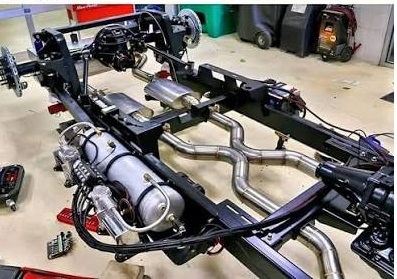
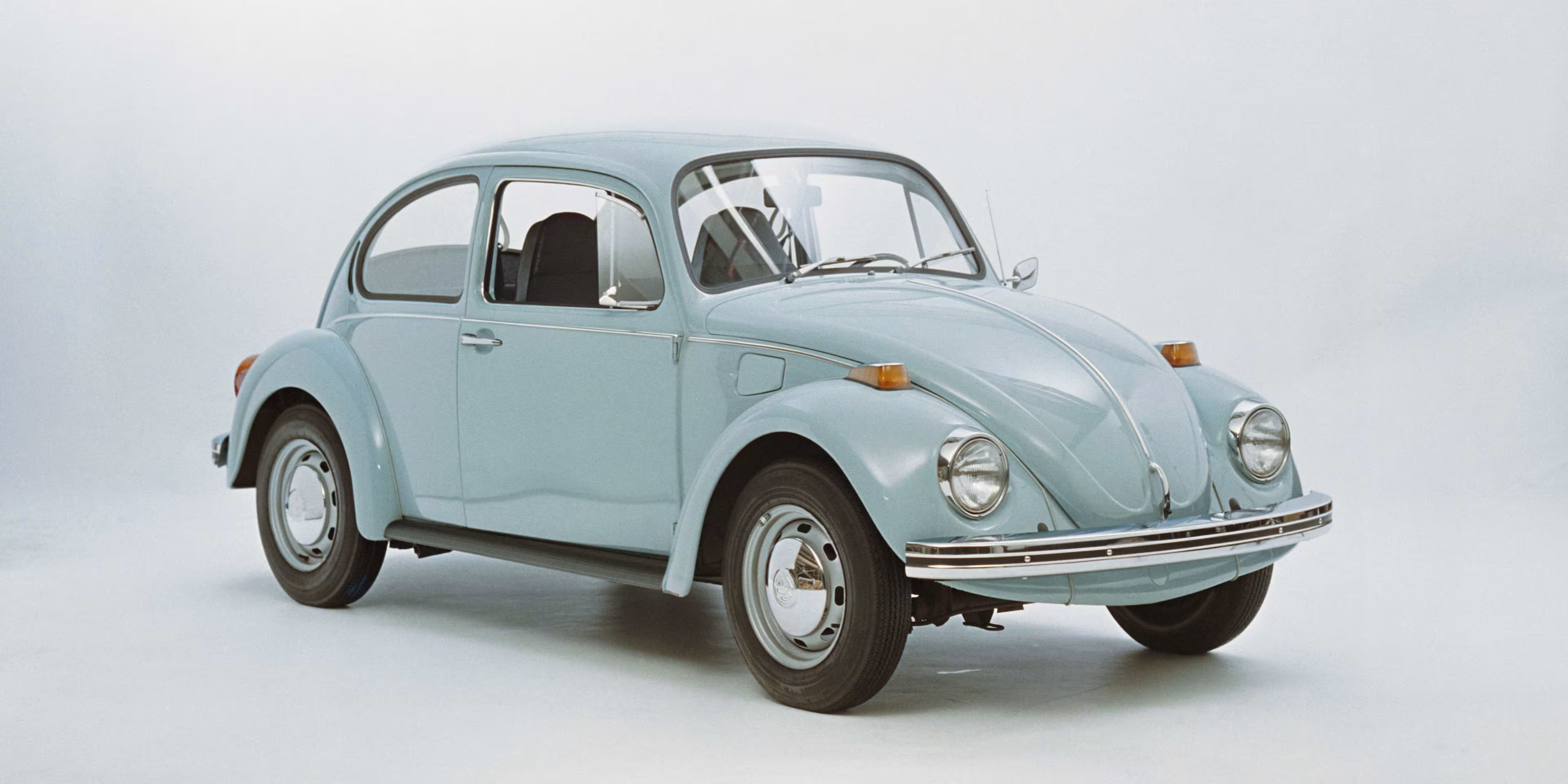
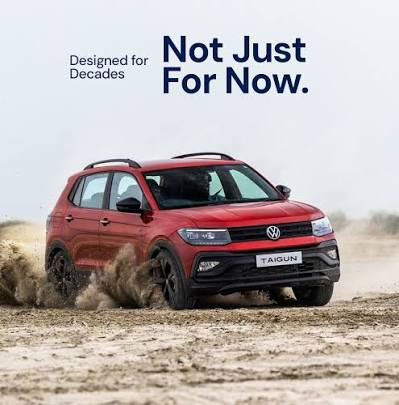
the beetle Volkswagen’s endurancecomes from a consistent engineering foundation used across multiple vehicle “bodies,” creating different models with the same underlying structure. The company’s best-known example is the Beetle, which shared a common mechanical core—rear-mounted air-cooled flat-four engine, transaxle layout, and a simple, durable suspension approach—with later derivatives that used different body styles while retaining similar proportions and drive components. Over time, Volkswagen applied the same principle to other platforms: core drivetrain and chassis concepts were carried forward, while bodywork, interior packaging, and trim were changed to match market needs and regulations. This approach reduced design risk and production complexity, supported long service life through standardized parts and repair practices, and allowed Volkswagen to refresh its lineup without rebuilding everything from scratch. The result is a family of vehicles that can look distinct externally yet trace back to the same “bones,” built for reliability, maintainability, and sustained mass production. Same chassis(bone) but different boddies Designed for Today. Built for a Lifetime. 🛣️ Volkswagen is built to last generations. A timeless blend of engineering, style, and reliability
🚗 One Platform, Many Faces
To see this concept in action, look at how the MQB platform manifests across different vehicle types. They all share the same core engine mounting points, axles, and crash structures, but look and feel entirely different:
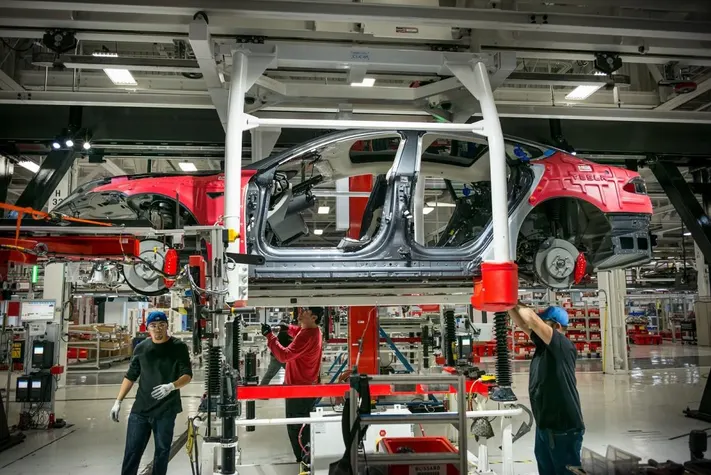
Massive Economies of Scale: Because VW uses the same core parts across millions of vehicles, they can afford to invest billions in high-grade engineering, hot-stamped ultra-high-strength steel, and advanced safety structures that would be too expensive to develop for just one low-volume model.
Refined Reliability: When a single steering rack or suspension component is used in ten different models, bugs are caught and engineered out quickly. The components become incredibly refined and durable over time.
Interchangeable DNA: If you drive a VW Golf, an Audi A3, and a Škoda Octavia back-to-back, you will notice they handle with a similar rooted, solid European driving dynamic because their "bones" are identical.
Standardized Strength: By locking down hard points in the chassis architecture, Volkswagen ensures factory precision, laser-welded rigidity, and high-strength steel integration across models.
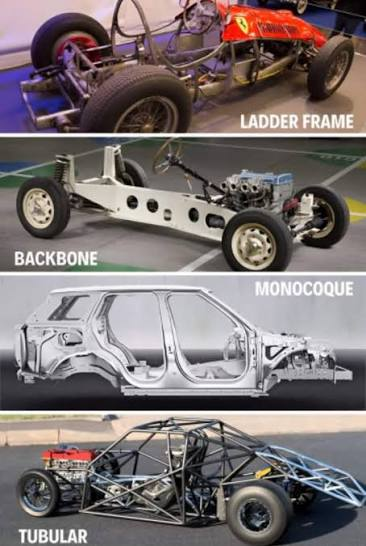
Cost Efficiency & Durability: Over-engineering a single master architecture allows for rigorous long-term testing, meaning mechanical components and crash-protection spines are beefed up to handle high mileages reliably Same bone but different bodies Core Pillars of VW Durability
Conservative Engineering: Focus on incremental, consistent evolution of mechanical parts rather than risky, radical overhauls.
Resilient Platforms: Shared architectures like the MQB chassis and durable engine families like the EA888 are ironed out over years of production to handle high mileage.
Body Integrity: High-strength steel safety cages and corrosion-resistant body panels help these cars survive harsh climates and poor road conditions
Comments (0)
No comments yet. Be the first to share your thoughts.

Comments (0)
No comments yet. Be the first to share your thoughts.