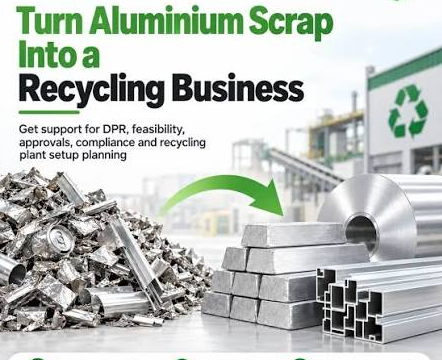
Starting an aluminum recycling business in Nigeria involves collecting, sorting, processing, and selling scrap metal to manufacturers or larger processing plants.
An aluminum recycling business is a highly lucrative and energy-efficient venture, offering profit margins between 20% to 30%. Because aluminum can be melted down repeatedly without losing its structural integrity, secondary production uses up to 95% less energy than mining raw bauxite, driving high industrial demand from manufacturing, automotive, and packaging sectors
"Aluminum, the most recyclable metal!" . It can be flexible as long as everything is exactly the way you want it. Aluminium is totally flexible and recyclable Aluminium is a lightweight, durable, and infinitely recyclable metal that is vital to modern industries, including construction, transportation, and packaging, thanks to its strength-to-weight ratio and corrosion resistance.
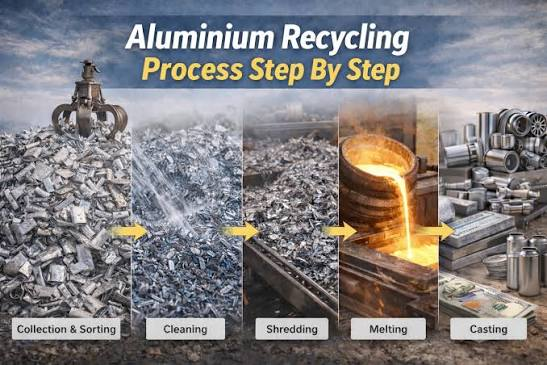
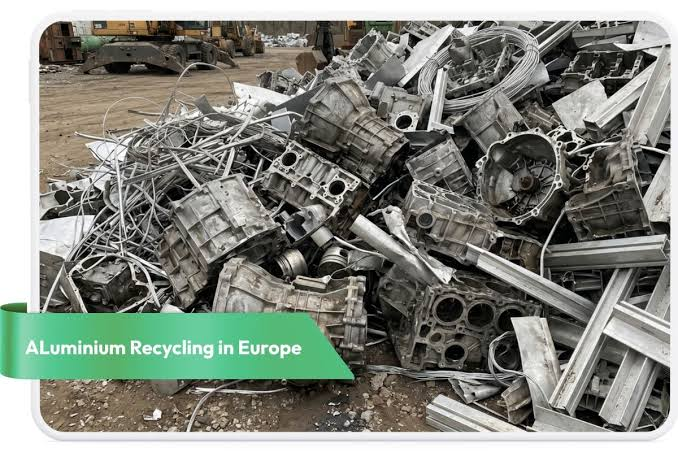
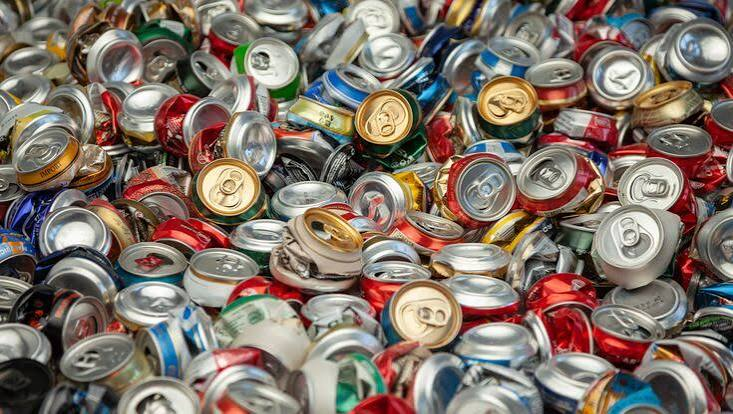
Start Small as a Collector: Begin by sourcing scrap aluminium (such as used beverage cans, old utensils, window frames, or industrial offcuts) from local neighborhoods, mechanics, dump sites, and small scrap dealers.
Grading and Processing: Clean, sort by alloy type, and use basic compression or baling equipment to bundle the scrap into manageable units.
Scaling to Smelting/Ingots: If moving into large-scale operations, you will need a melting furnace/heater, molds to cast molten aluminium into ingots, adequate ventilation, and safety gear.
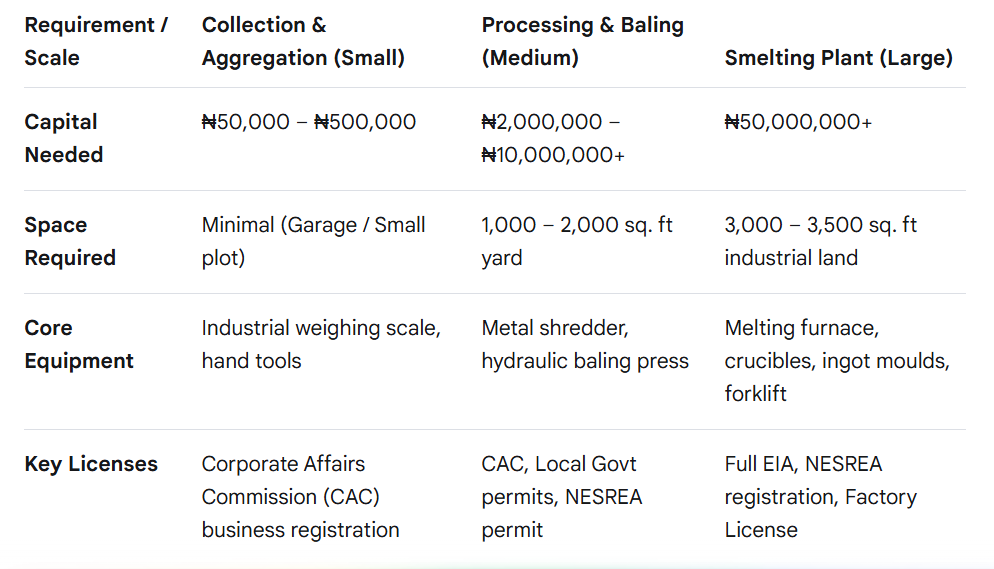
Before investing, you need to decide on your entry point. The scale of operation dictates your startup capital, equipment, and licensing needs:
Scrap Metal Collection & Aggregation (Small Scale): Acting as a middleman. You buy loose aluminium scrap (cans, roofing sheets, old kitchenware, mechanical parts) from neighborhood collectors or mechanics and sell consolidated loads to larger yards or recycling plants.
Processing Yard (Medium Scale): You buy bulk scrap, use machinery to sort, clean, and crush or shred the aluminium into tightly packed bales to sell directly to domestic smelters or international exporters.
Smelting & Ingot Manufacturing (Large Scale): A full recycling plant. You melt down the processed scrap in high-temperature furnaces to produce purified aluminium alloy ingots or molten aluminium for industrial buyers.
Estimated Startup Costs & Requirements
The initial investment varies drastically depending on your chosen path. Here is how the requirements stack up in Nigeria:
Your profitability depends on buying scrap low and selling high. Establish steady relationships with informal waste pickers, local mechanics, construction sites, and waste dumpsites to keep your inventory consistent.
2. Manage Contamination Diligently
Aluminium scrap is usually sorted by grade (e.g., "Tense" for cast aluminium, "Tread" for sheet aluminium, or "Extrusion"). A major bottleneck in recycling is contamination from iron, copper, or magnesium. Proper segregation before processing drastically increases the purity—and the final selling price—of your metal.
3. Choose the Right Location
If you plan to process or melt metal, your yard must be located in an industrial zone at least 1 km away from residential areas, water bodies, or agricultural land due to noise, emissions, and safety regulations. Ensuring a reliable power grid connection or high-capacity backup generator is mandatory.
4. Secure Your Offtake Buyers
Before processing a single kilogram, know where your metal is going. Approach local manufacturing foundries, roofing sheet producers, or reputable metal export companies like VMartins Recycling to establish steady factory relationships.
Profitability & Market Overview
Pricing: Aluminium scrap prices in Nigeria typically exceed ₦100,000 per tonne depending on market rates and purity.
Earnings: Small-scale collectors can earn roughly ₦100,000 to ₦300,000 per month, while scaled operations with direct factory supply chains generate significantly higher returns.
Efficiency: Recycling aluminium uses up to 95% less energy than producing new aluminium from raw bauxite ore, making it a high-demand, environmentally sustainable industry
Comments (0)
No comments yet. Be the first to share your thoughts.