........If your business is not automated , you will serve at the counter till you retire.......
Nothing is ever simple , a complex system is an integration of simple systems
According to SnowBrains.com, If you maintain a daily average steps and live until 80 years of age, you'll have walked about 216,262,500 steps in your lifetime.
The First steps in life is usually the hardest,
if you don't take the first step in the right direction, you will never find out how many more steps needed to strike Gold.
It will takes a man 80 years to count from 1 to 2,500,000,000,. but it will take an AI machine less than 1 second to do the same task.
By integrating software, digital applications, and artificial intelligence (AI), organizations can transform complex, time-consuming operations into smooth, error-free, self-sufficient digital systems
Business automation applies software and technology to execute repetitive, rule-based tasks and complex workflows. It replaces manual operations—such as data entry, invoicing, and lead routing—with digital processes to reduce human error, lower operating expenses, and allow employees to focus on high-value, strategic work.
Operating without systems or automation essentially chains you to your business. Delegating daily execution is necessary to step back or successfully exit Automated Business
Tools to transition:
Point of Sale (POS) Systems: Platforms like , Jumia, Konga etc allow for digital ordering and inventory tracking.
Accounting/Payroll: use software for accounting and staff payment.
E-commerce website/ APP
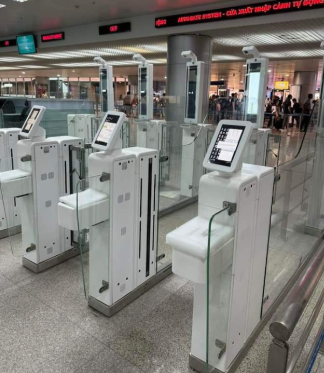
Scanners for entering and exiting Inflow control Integrated ai Cameras
Task Automation: Replaces simple, single-action human activities like updating calendar events, sending basic alert notifications, or creating routine digital forms. [1]
Workflow Automation: Coordinates an interconnected series of discrete tasks in a strict, rule-based sequence to guide files or work assignments efficiently between personnel. [1, 2]
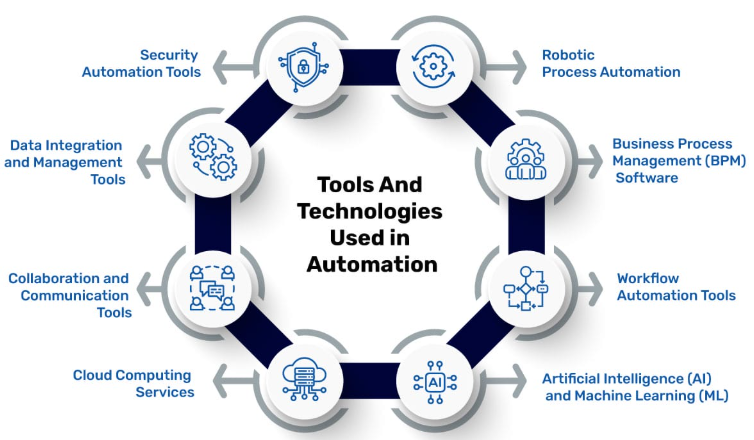
Robotic Process Automation (RPA): Deploys software "bots" that mimic human digital actions, such as logging into distinct systems, copy-pasting structured data
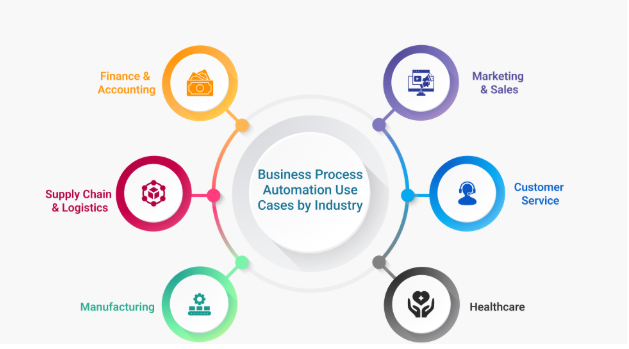
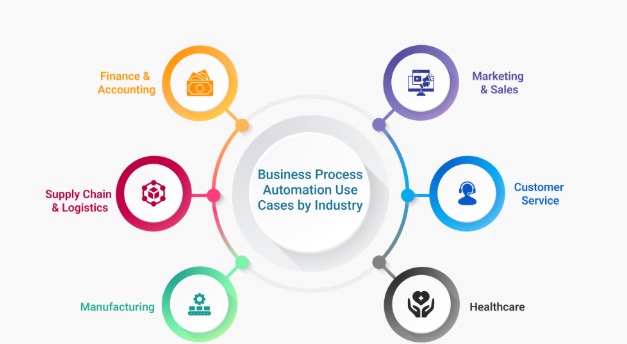
Intelligent Automation (IA): Infuses core processes with AI, machine learning (ML), and data analytics to empower digital platforms to dynamically learn, interpret unstructured data, and make data-driven decisions Industries where Business Automation are used Benefits of Business Automation.
1. Save time and increase productivity and efficiency by automating time-consuming processes to accelerate business outcomes and free employees for higher-value work.2. Reduce costs with business automation by eliminating process delays, variations, and incidents of human error.3. Improve accuracy and consistency by establishing optimal workflows and putting them on repeat.4. Scale with business growth by seamlessly handling increases in volume without errors or capacity constraints.5. Delight customers by delivering faster response times and freeing agents to provide more personalized service.




Comments (0)
No comments yet. Be the first to share your thoughts.