Business Ideas & Implementation
Business : Copper Recycling Business Plan
October 31, 2026 · 4 views ·by Odeyemi Oluwafemi
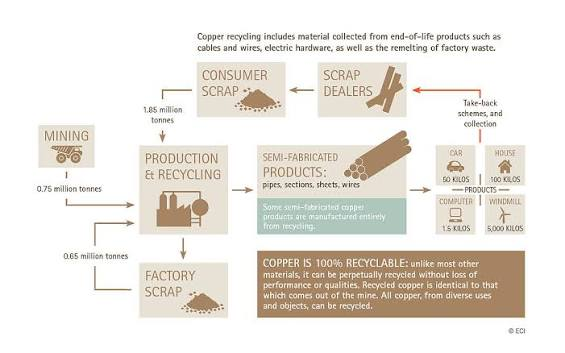
The copper recycling business is a highly lucrative sector driven by a major structural tailwind: global demand for copper is skyrocketing due to electric vehicles (EVs) and renewable energy infrastructure, while secondary (scrap-based) copper production is growing at double the rate of primary mine extraction.
However, the core metric for a recycler is not just the price of copper itself. It is a cyclical spread business where your profit depends on the margin between the cheap price you pay for raw, mixed scrap and the high-purity premium price you receive after processing and separation.
▶ Watch the video on copper recycling machine
▶ Watch the video on copper recycling process and machine
▶ Watch the video on business plan for copper recycling
"Copper is a superb cooking metal, conducting heat so evenly it has unparalleled control, especially at low temperatures."
"Through Love all that is bitter will be sweet, Through Love all that is copper will be gold..." — Rumi
Operational Scaling Models
How you structure your business depends directly on your starting capital (Capex). Operations generally fall into three tiers:
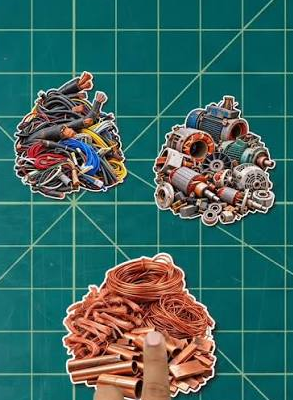
- Low Capex (Collection & Resale): Acting purely as a scrap aggregator. You buy mixed cables, old pipes, or electronics from local scrappers and sell them directly to larger yards without processing. This has low barriers to entry but tight profit margins.
- Mid Capex (Mechanized Stripping): Purchasing manual or motorized wire-stripping machines. This allows you to strip thicker, high-grade unalloyed wires (Grade 1 or "Millberry" copper) out of their plastic insulation, drastically increasing your selling price per kilogram.
- High Capex (Shredding & Granulation): Investing in an industrial copper cable granulator and gravity separation unit. This machinery chops mixed, thin, or complex wiring into sub-6mm pieces and uses air/gravity to isolate 99.9% pure copper granules from plastic automatically. This achieves the highest industrial margins.
Recycling and Scraps collection
Step-by-Step Implementation Plan
1. Sourcing Raw Materials
A steady, cheap incoming supply is the lifeblood of your yard. You don't look for clean copper; you look for cheap waste. Build sourcing networks with:
- Auto dismantling yards & repair shops (high volumes of wiring harnesses and starters)
- Demolition and construction contractors (old plumbing pipes, electrical wiring, and roofing sheets)
- Local informal waste collectors ("kabaadi" or small scrap yards)
- Utility or telecom companies replacing old infrastructure lines
2. Understanding Grading & Spreads
To avoid overpaying, you must know what you are buying. Copper scrap is strictly graded by purity:
- Bare Bright / No. 1 Copper: Clean, unalloyed, uncoated wire or strip (>99% purity). Command highest prices.
- No. 2 Copper: Clean unalloyed wire or pipe but may have solder, lacquer, or minor oxidation (94–98% purity).
- Light Copper / Mixed Scrap: Thin wires, insulated cables, and electronic components. This requires heavy mechanical processing or smelting to refine.
3. Setting Up the Processing Yard
Start lean by validating your local volume before over-purchasing machinery.
- Equipment: Begin with heavy-duty manual/hydraulic wire strippers. As volume scales past a few hundred kilograms a day, invest in a 200–300 kg/hr cable granulator machine to eliminate labor bottlenecks.
- Compliance & Licensing: Environmental regulations are strict for metal recycling plants due to potential plastic waste. You will need local municipal trade licenses, industrial environmental clearance (for noise and dust control), and a formal business registration.
- B2B Offtake Agreements: Do not rely on selling to other retail scrap yards. Secure relationships directly with copper smelting plants, ingot manufacturers, or large-scale cable factories. They buy in tons and pay standard market-index prices for high-purity granules
Comments (0)
No comments yet. Be the first to share your thoughts.