Don't plunge yourself into entrepreneurship because of money; instead, find a problem and solve it, and the rewards will naturally gravitate towards you. Find a problem that is scalable and provide a solution to it, build a business around it at a profit. The road less travelled.....the lonely journey of an entrepreneur
Formal education will make you a living because you are an employee; self-education will make you a fortune because you are a risk taker, investor, and an entrepreneur. You don't get started by saying it; you get started by doing it.
Think in terms of numbers and move the numbers around.
The rate at which the numbers move around will determine how many more numbers reappear or disappear
To be a successful entrepreneur, you have to think in terms of e=mc2
energy is the drive and resources you have, mass is scaling up your activities and not doing it alone; increase your production and productivity
And speed is the rate of return, the effectiveness of logistics in place, how fast is your business network response
The entrepreneurs you should respect most are those who build something from scratch without help or resources..
Rule number one for an entrepreneur: Never try to be the smartest person in the room; your role is to make sure smart people work together.
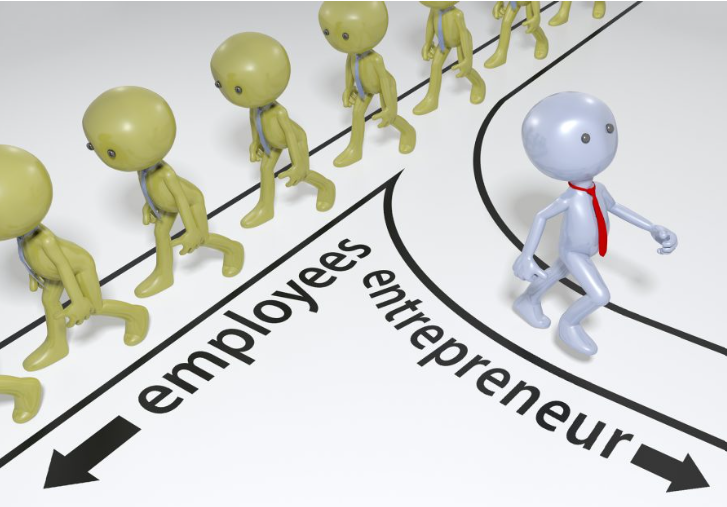
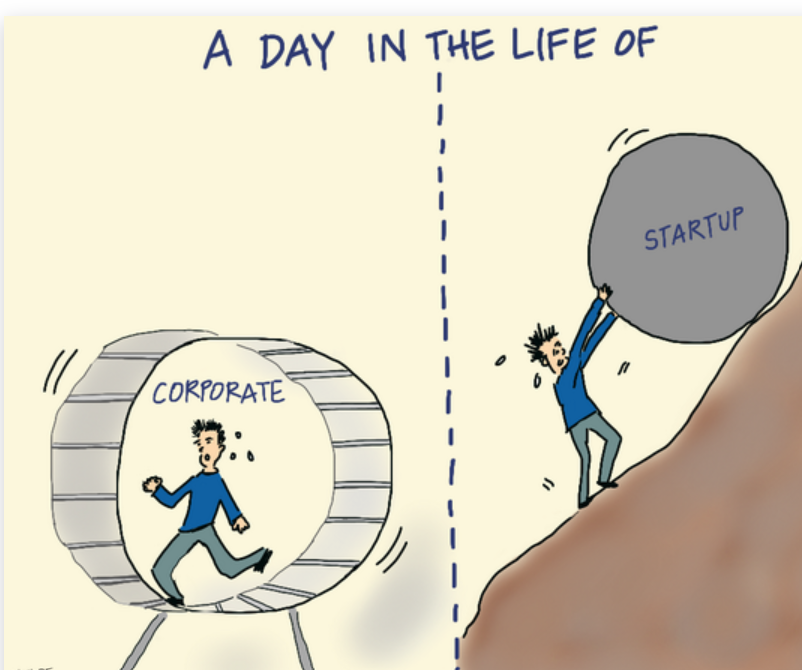
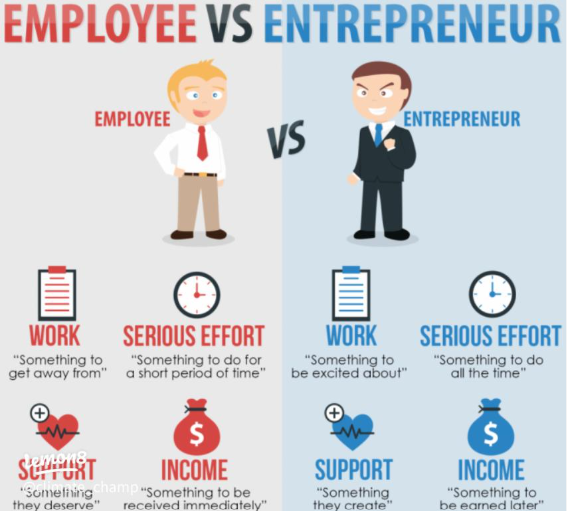
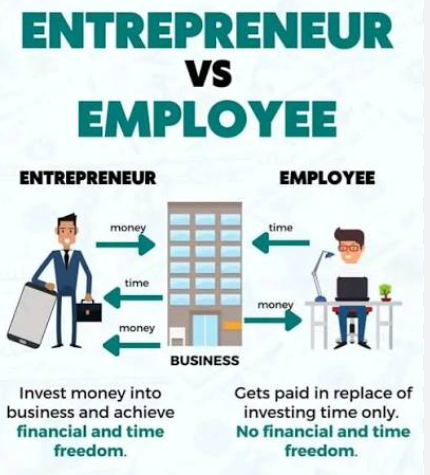
Passion is the engine that puts perseverance into overdrive to think up big ideas, solve big problems, Perseverance isn't a lone ranger; it needs a team. Entrepreneurs and employees differ fundamentally in their risk tolerance, income structures, and daily autonomy. While employees trade time for a predictable, steady paycheck and benefits, entrepreneurs assume the financial risks of building a business from the ground up, with their income tied directly to performance
1. Risk and Financial Security
The Employee: Enjoys consistent cash flow, healthcare, and structured benefits, transferring the risk of business failure and market instability onto the employer.
The Entrepreneur: Takes on unlimited financial liability and variable income, investing time and capital without the immediate guarantee of a return.
2. Autonomy and Decision Making
The Employee: Typically operates within an established structure, following established corporate processes, completing assigned tasks, and focusing on specific operational roles.
The Entrepreneur: Exercises full control over the company's direction, but must also bear total accountability for every strategic pivot and mistake
3. Career Progression
The Employee: Builds a documented, specialized resume, making it easier to leverage past roles for new opportunities or career advancement in the corporate sector.
The Entrepreneur: Builds a portfolio of results and ventures from scratch, relying on business traction rather than tenure to dictate long-term financial growth and success
An entrepreneur works for free and has control over the time; an employee works for money as a replacement for time
An entrepreneur waits till the end of the year ; an employee waits till the end of the month.
An employee is always checking for job adverts, An entrepreneur is always checking for Govt. policies. Choose your position wisely One man's need fuels another man's wealth
Debt and taxes make the rich richer
Debt and taxes make the poor and middle class poorer
One man's need is the fuel for another man's wealth....
In accounting, we call it profit and loss
In economics, we call it capitalism.
In manufacturing, we call it an increase in production.
Comments (0)
No comments yet. Be the first to share your thoughts.