Education
Deep Truth , Deep Thinking and Deep Learning
June 25, 2026 · 9 views ·by Odeyemi Oluwafemi
Deep truth, deep thinking, and deep learning connect philosophical understanding, human cognition, and artificial intelligence into a continuous spectrum of extracting meaning from the world.
▶ Watch the video, deep learning
▶ Watch the video, deep thinker
Deep Truth, Deep Thinking, and Deep Learning form a powerful triad that bridges philosophy, human psychology, and computer science. When these three concepts intersect, they outline a path of how we discover absolute facts, how human minds process complex realities, and how machines simulate intelligence.
Deep truth refers to the fundamental realities that underpin existence, often explored through philosophy, science, and spirituality. It requires rigorous examination and introspection, leading to insights that transcend superficial understanding. Deep thinking, on the other hand, involves a thorough analysis of complex ideas, encouraging critical reasoning and the questioning of assumptions. Together, they foster a profound comprehension of life, prompting individuals to engage with challenging concepts and embrace uncertainty, ultimately guiding them toward more informed perspectives and decisions. This process not only enhances personal growth but also contributes to collective wisdom in society.
▶ Watch the video, deep learning
▶ Watch the video, deep thinker
Deep Truth, Deep Thinking, and Deep Learning form a powerful triad that bridges philosophy, human psychology, and computer science. When these three concepts intersect, they outline a path of how we discover absolute facts, how human minds process complex realities, and how machines simulate intelligence.
Deep truth refers to the fundamental realities that underpin existence, often explored through philosophy, science, and spirituality. It requires rigorous examination and introspection, leading to insights that transcend superficial understanding. Deep thinking, on the other hand, involves a thorough analysis of complex ideas, encouraging critical reasoning and the questioning of assumptions. Together, they foster a profound comprehension of life, prompting individuals to engage with challenging concepts and embrace uncertainty, ultimately guiding them toward more informed perspectives and decisions. This process not only enhances personal growth but also contributes to collective wisdom in society.
Deep truth is reality that transcend surface-level understanding, often revealing profound insights about existence, morality, or human nature.
Deep thinking involves the ability to engage in complex, reflective thought processes that challenge assumptions and explore the implications of ideas, fostering critical analysis and innovative problem-solving.
Deep learning, in the context of education and cognitive development, emphasizes immersive and meaningful engagement with material, leading to a thorough understanding and retention of knowledge, often facilitated by interdisciplinary approaches and real-world applications. Together, these concepts promote a holistic approach to knowledge acquisition and intellectual growth.
Core meaning: Deep truth refers to foundational, underlying realities or principles that go past surface-level facts and popular slogans.
Deep thinking involves the ability to engage in complex, reflective thought processes that challenge assumptions and explore the implications of ideas, fostering critical analysis and innovative problem-solving.
Deep learning, in the context of education and cognitive development, emphasizes immersive and meaningful engagement with material, leading to a thorough understanding and retention of knowledge, often facilitated by interdisciplinary approaches and real-world applications. Together, these concepts promote a holistic approach to knowledge acquisition and intellectual growth.
Core meaning: Deep truth refers to foundational, underlying realities or principles that go past surface-level facts and popular slogans.
Human pursuit: It requires looking past obvious appearances to grasp objective validity and authentic context.
Connection: Both human deep thinkers and machine systems try to uncover these core patterns, though human truth involves value judgments and wisdom.

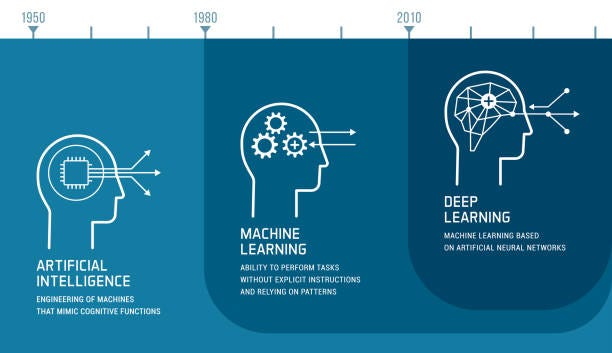
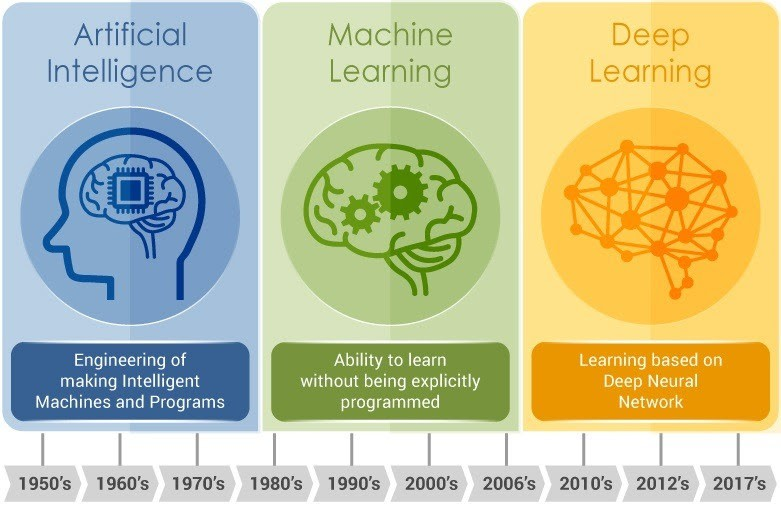
Think of deep truth, thinking and learning as 3 layers, from “what’s real” → “how you find it” → “how machines learn it”:
*1. Deep truth*
The core stuff that stays true even when details change. It’s not a fact you memorize, it’s a principle you can rely on.
Example: “Water boils at 100°C” = fact. “Pressure changes boiling point” = deep truth.
*2. Deep thinking*
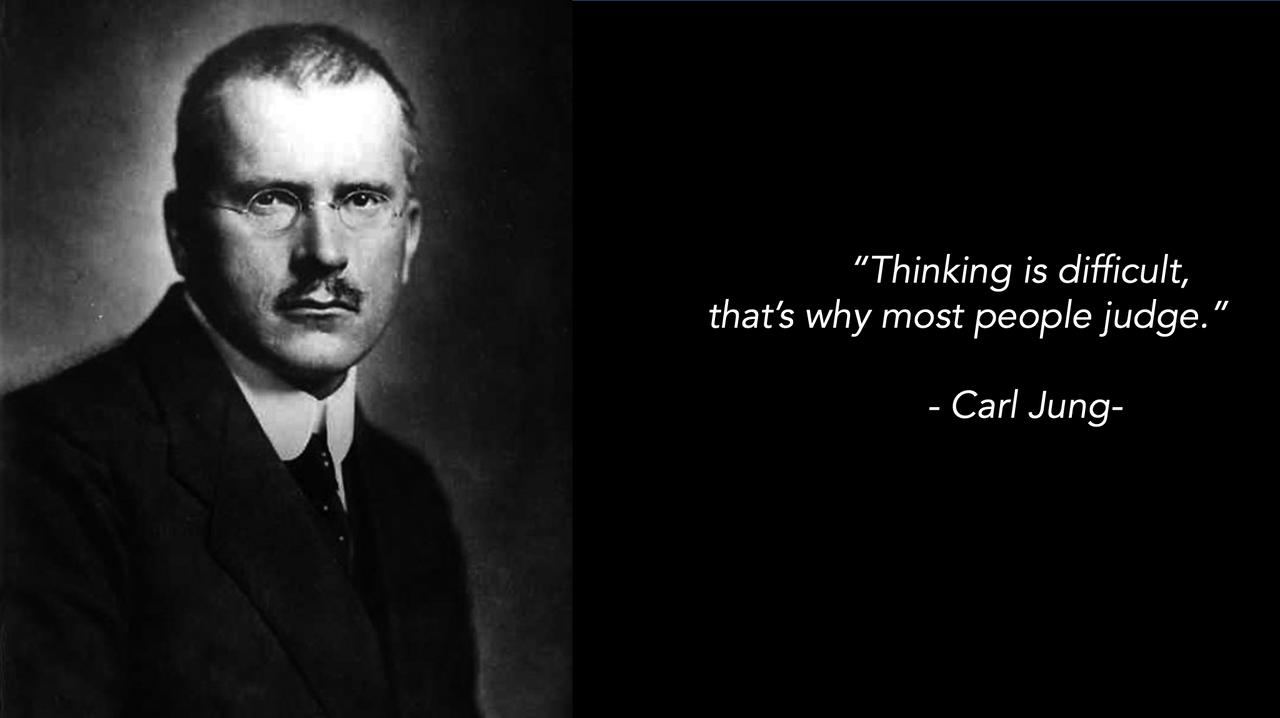
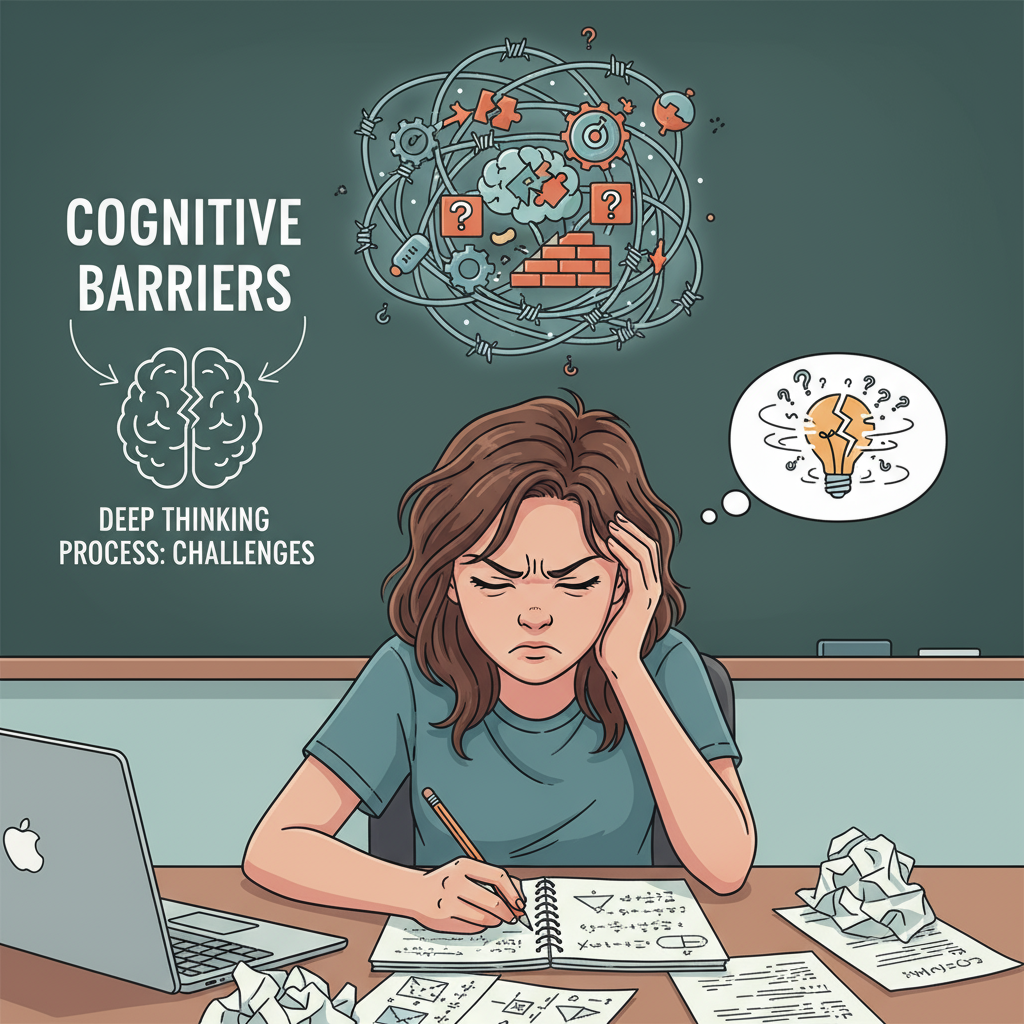
That’s the skill you use to _find_ deep truths. It’s slowing down, questioning assumptions, and connecting ideas instead of grabbing the first idea that confront us.
Example: With the palace riddle, deep thinking is asking “Do I count all 100 guards at the gate or just the ones at houses?” before I decide the next level to my calculation.
Core meaning: Deep thinking is an active human cognitive process that questions assumptions and connects new information to existing knowledge structures.
Core meaning: Deep thinking is an active human cognitive process that questions assumptions and connects new information to existing knowledge structures.
How it works: Instead of simple memorization, deep thinking forms a mental schema by evaluating evidence and reflecting patiently.
Significance: Users on ResearchGate agree that deep thinking is the unique origin of creative human breakthroughs where mechanical computation ends.
*3. Deep learning*
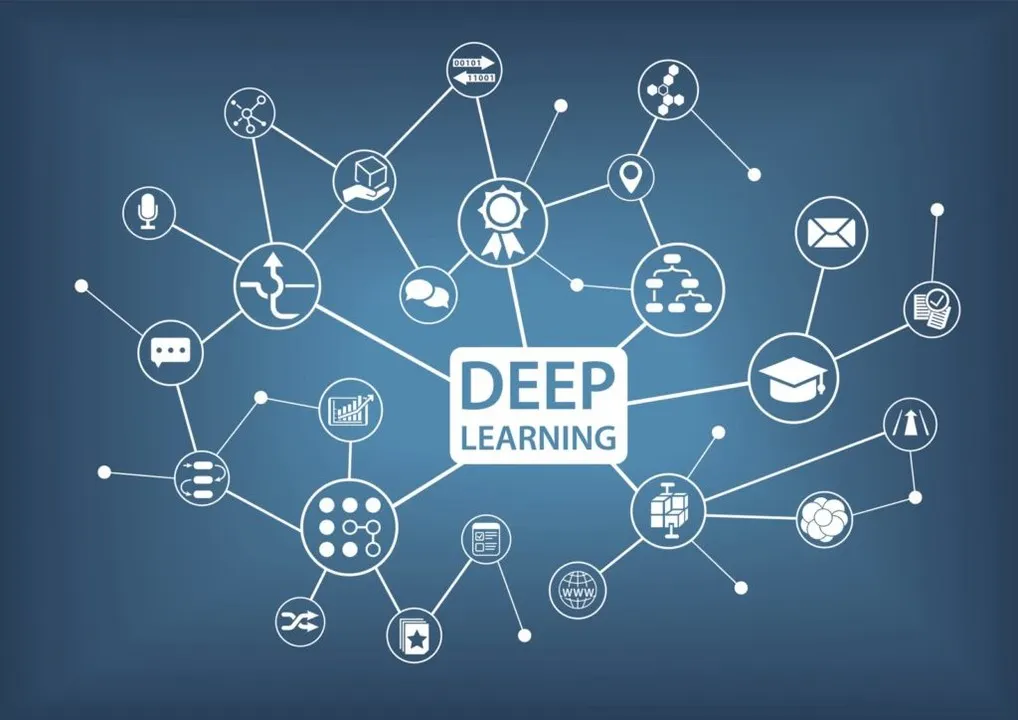
This is tech. It’s how AI like me learns. “Deep” = many layers in a neural network. The more layers, the better it gets at spotting complex patterns in data.
Example: Deep learning is how to figured out stuff by learning the algorithm, and how your phone unlocks with your face by segmenting the pixels into discreet or arrays and learning and comparing patterns.
Deep Learning
Deep Learning
Core meaning: Deep learning is a subset of machine learning using multi-layered artificial neural networks to automatically learn representations from raw data.
How it works: It uses hierarchical layers where early layers find simple shapes and higher layers form complex concepts.
Significance: It mimics biological abstraction at scale, scaling effectively with massive data and compute power without manual feature engineering.
*How they connect*:
Deep thinking → helps humans find deep truths.
Deep learning → helps machines find patterns that _look_ like deep truths in data.
Pretty cool that all 3 use “deep” to mean “go past the surface”, right?
Which one do you want to train more — your deep thinking or how deep learning works ?
A little learning is a dangerous thing; Drink deep, or taste not the Pierian spring.
Alexander Pope
Comments (0)
No comments yet. Be the first to share your thoughts.