Lifestyle
EBOLA IS BACK IN NIGERIA'S HEADLINES: WHAT YOU NEED TO KNOW
October 21, 2026 · 16 views ·by Emma-Golden
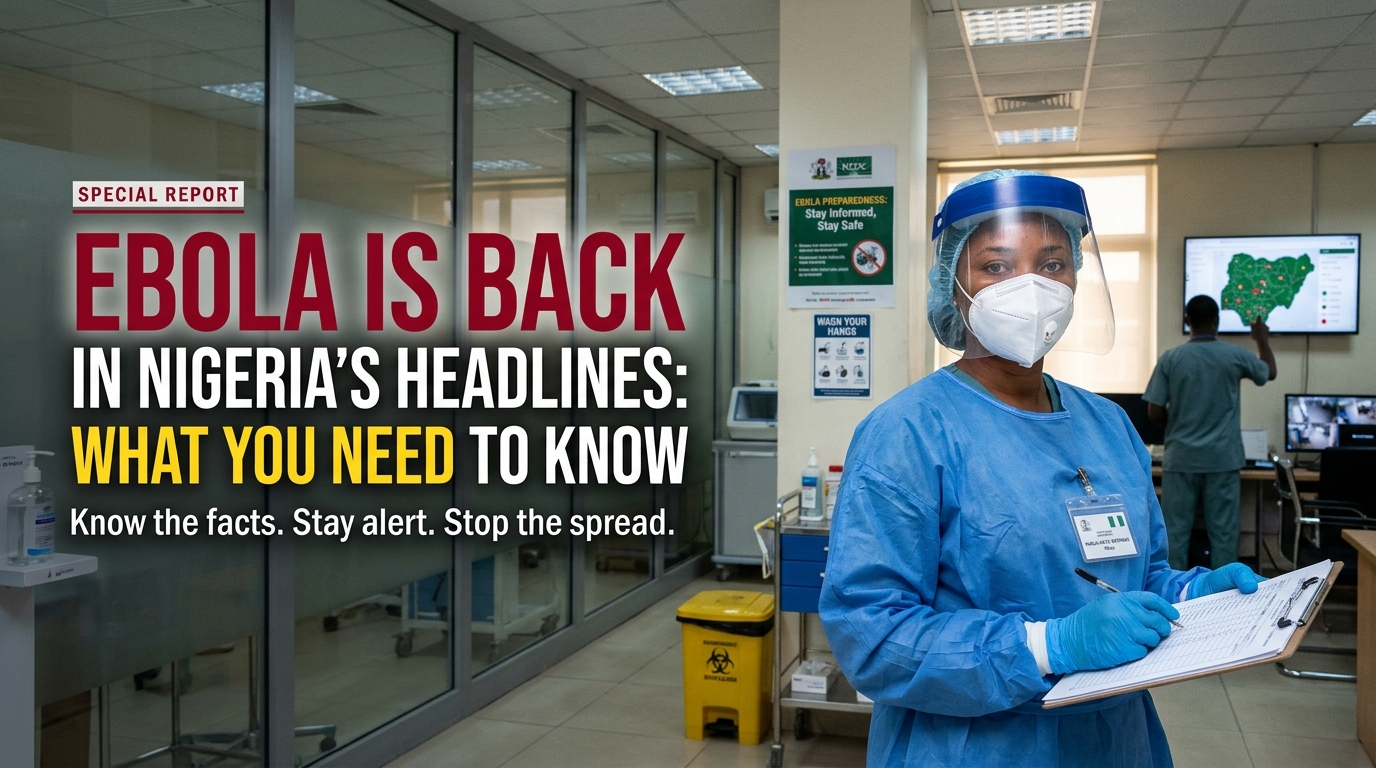
EBOLA IS BACK IN NIGERIA'S HEADLINES: WHAT YOU NEED TO KNOW
Nigeria has confirmed an imported case of Ebola disease in Nigeria, bringing renewed attention to a virus that once posed a major public health threat to the country.
The Federal Ministry of Health announced the case on 20 October 2026 after laboratory tests confirmed infection with the Bundibugyo virus.
The Federal Ministry of Health announced the case on 20 October 2026 after laboratory tests confirmed infection with the Bundibugyo virus.
The patient, a woman with a recent travel history involving Uganda, is in isolation and receiving medical care.
Health authorities have identified 44 contacts and are monitoring people who may have been exposed.
Investigations continue to determine where the infection occurred and whether further transmission has occurred.
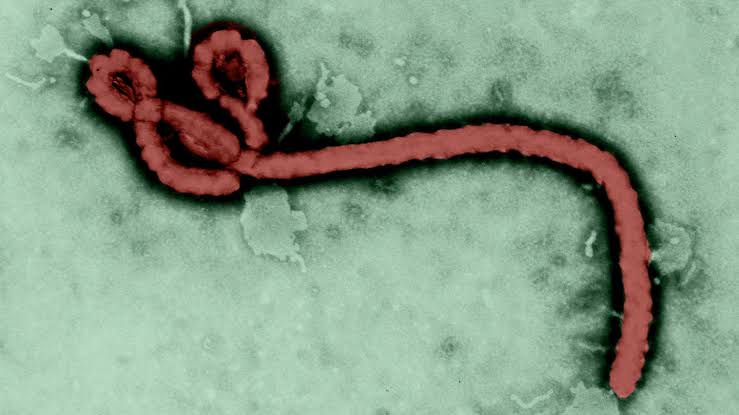
Ebola is a serious viral disease that can cause fever, weakness, headache, vomiting, diarrhoea and, in severe cases, internal or external bleeding.
The virus spreads through direct contact with the blood or other body fluids of an infected person who is showing symptoms, or through contaminated materials. It does not spread simply because someone shares a room or passes by an infected person.
What Should We Do?
The most important steps are to practise good hand hygiene, avoid contact with the body fluids of anyone suspected of having Ebola, and seek prompt medical advice if symptoms develop following a possible exposure.
Anyone contacted by public health officials for monitoring should cooperate with their instructions.
Anyone contacted by public health officials for monitoring should cooperate with their instructions.
People should also avoid spreading unverified reports or stigmatising travellers and communities. Public health authorities are working to identify contacts and prevent further spread, and accurate information is essential to that effort.
Why This Matters
Nigeria successfully contained an Ebola outbreak in 2014, demonstrating the importance of early detection, contact tracing and coordinated public health action.
The current case requires renewed vigilance, but one confirmed imported case does not automatically mean a widespread outbreak has occurred in Nigeria.
The current case requires renewed vigilance, but one confirmed imported case does not automatically mean a widespread outbreak has occurred in Nigeria.
The lesson is simple: stay informed, follow official health guidance and avoid panic. In an infectious disease emergency, accurate information can be just as important as prompt medical care.
Comments (0)
No comments yet. Be the first to share your thoughts.