Regular walking acts as a potent, evidence-based form of preventive medicine that improves physical health, mental well-being, and longevity
▶ Watch the video on benefits of walking The phrase "walking is the best medicine" is famously attributed to Hippocrates, and modern science thoroughly backs it up. Engaging in regular, brisk walks functions like a powerful medical intervention for both your body and mind. Walking is man’s best medicine,” (Greek physician Hippocrates. )
Going to gyms is a waste of time, walking and swimming is best for full body circulation "It's your road, and yours alone. Others may walk it with you, but no one can walk it for you" ( 13th-century Persian poet and Sufi mystic Rumi ) Walk yourself, others might walk with you but they will not walk for you.
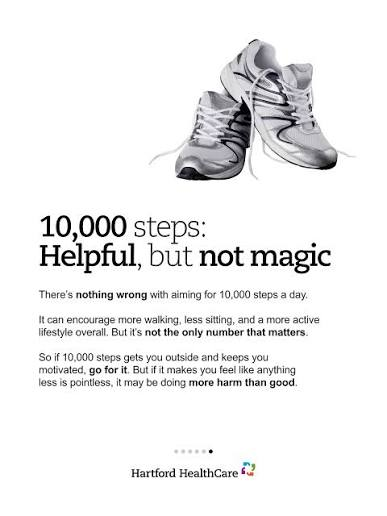
Regular walking acts as a powerful, low-impact form of preventive and therapeutic medicine supported by centuries of philosophy and modern medical research. 10 000 steps magic Core Health Benefits
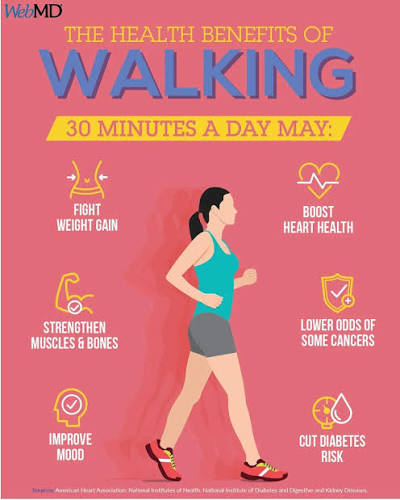
Heart and Circulation: Brisk walking lowers blood pressure, improves cholesterol levels, and cuts the risk of heart disease and stroke by 20% to 40%.
Metabolic and Blood Sugar Control: A short walk after meals enhances insulin sensitivity and lowers post-meal blood sugar spikes, aiding in type 2 diabetes management.
Joint and Bone Health: Walking 5 to 6 miles weekly circulates synovial fluid to lubricate joints, alleviates arthritis pain, stimulates bone remodeling, and slows osteoporosis.
Immune Function: Walking 20 minutes a day, five days a week, boosts white blood cell circulation and results in up to 43% fewer sick days.
Mental Well-being and Brain Health: Daily movement releases endorphins, lowers stress hormones like cortisol, enlarges the hippocampus to support memory, and cuts the risk of cognitive decline and dementia.
🧠 Mental and Cognitive Well-being
Natural Mood Elevators: Walking stimulates the release of endorphins, dopamine, and serotonin. This reduces cortisol (the primary stress hormone), effectively helping to combat anxiety and mild depression.
Brain Longevity: Regular daily walking is shown to physically enlarge the hippocampus—the area of the brain responsible for memory—which can cut the risk of dementia and Alzheimer's disease by half.
Daily Target: Aim for about 150 minutes of brisk walking weekly (such as a 30-minute walk five days a week) or roughly 10,000 steps daily, though even 11 minutes a day yields measurable health gains.
Pace: A brisk pace (around 4.5 mph or a speed where you can talk but not sing) maximizes cardiovascular and metabolic rewards


Comments (0)
No comments yet. Be the first to share your thoughts.