How It's Made
How it's Made : Epoxy Resin, THE LIQUID THAT HARDENS INTO ARMOR
August 29, 2026 · 14 views ·by Odeyemi Oluwafemi
▶ ideas
Epoxy resin is manufactured by chemically reacting epichlorohydrin with bisphenol-A (BPA) in the presence of a catalyst and caustic soda. This industrial process creates a liquid pre polymer containing reactive epoxide groups, which later solidifies into a durable plastic when mixed with a curing agent.
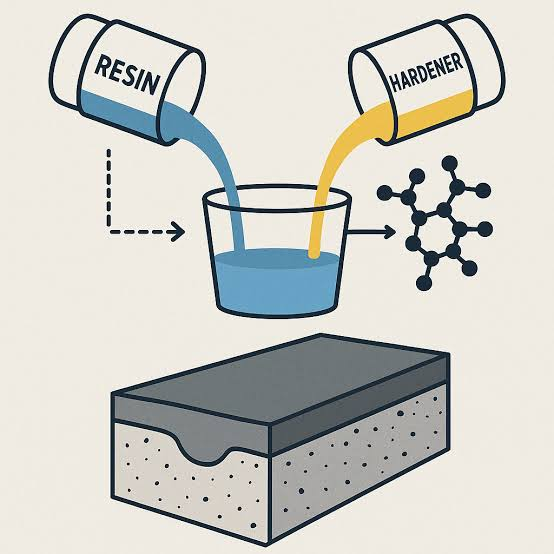
Industrial Manufacturing Process
Combining raw materials: Epichlorohydrin (derived from petroleum propylene) and bisphenol-A (formed from phenol and acetone) are loaded into a heated industrial reactor.
Catalytic reaction: Caustic soda (sodium hydroxide) is added to facilitate the reaction, boiling the mixture to form a glycidyl ether backbone.
Purification: Unreacted epichlorohydrin is evaporated, an inert solvent separates the mixture, and the resin is washed with water and vacuum-distilled.
How It Cures into a Solid
Two-part system: The finished base resin (Part A) remains a liquid until mixed with a curing agent or hardener (Part B, usually amines).
Polymerization: The hardener opens the strained epoxide rings in the resin, triggering cross-linking that builds a rigid, 3D molecular network.
Permanent set: This exothermic (heat-releasing) reaction permanently transforms the liquid into a tough, heat- and chemical-resistant thermoset plastic
1. Raw Materials: The Puzzle Pieces
The production begins by creating the basic chemical backbone from two primary ingredients:
- Epichlorohydrin: A reactive liquid derived from propylene, which is a byproduct of crude oil refining.
- Bisphenol A (BPA): An organic compound created by combining phenol and acetone.
2. Manufacturing the Liquid Resin (Part A)
- Chemical Reaction: Manufacturers mix epichlorohydrin and BPA in a reactor alongside a liquid catalyst to accelerate the bonding process.
- The Backbone: These ingredients link together to form a structure called glycidyl ether. []
- Epoxide Rings: This backbone carries tiny, highly reactive atomic structures known as epoxide groups. These rings contain built-in chemical connection points waiting
- to lock onto a hardener.
- Modification: The factory adjusts the molecular weight of the mixture. This determines whether the final resin will be a thin liquid, a thick syrup, or a semi-solid.
3. Creating the Hardener (Part B)
To trigger the hardening process, factories produce a separate curing agent, typically formulated from amines, phenolics, or anhydrides. This hardener acts as the missing link required to snap the epoxide rings open and bind them permanently.
4. The Transformation: Polymerization
4. The Transformation: Polymerization
When Part A and Part B are mixed together, a physical-to-chemical transition takes place:
- Exothermic Reaction: The amine molecules break open the epoxide rings. This chemical reaction produces noticeable heat.
- Cross-Linking: The molecules don't just stick together; they intertwine in a massive, rigid, three-dimensional network. This process is known as polymerization.
- The "Armor" State: The mixture transitions from a liquid, through a gel phase, into a thermoset plastic. Because the bond is molecular rather than just "drying" by evaporation, it changes permanently. It cannot be melted down, reshaped, or easily dissolved.
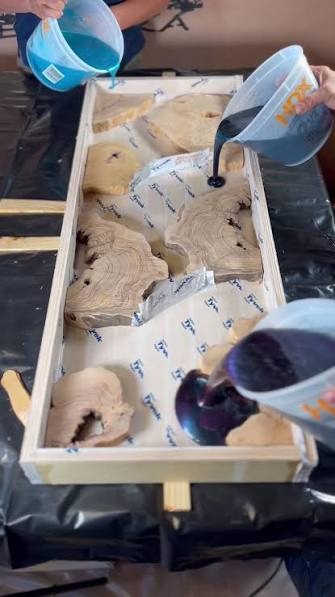
used for casting
Applications of the "Liquid Armor"
Due to its high structural strength, chemical resistance, and severe durability, epoxy resin is utilized across multiple demanding fields:
- Aerospace & Automotive: Used to bond carbon fiber and Kevlar fabrics together for lightweight, high-impact panels on aircraft and performance vehicles
Due to its high structural strength, chemical resistance, and severe durability, epoxy resin is utilized across multiple demanding fields:
- Aerospace & Automotive: Used to bond carbon fiber and Kevlar fabrics together for lightweight, high-impact panels on aircraft and performance vehicles.
- Electronics: Poured over microchips and circuit boards to completely seal out moisture, dust, and electrical interference.
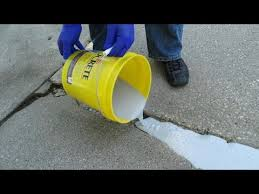
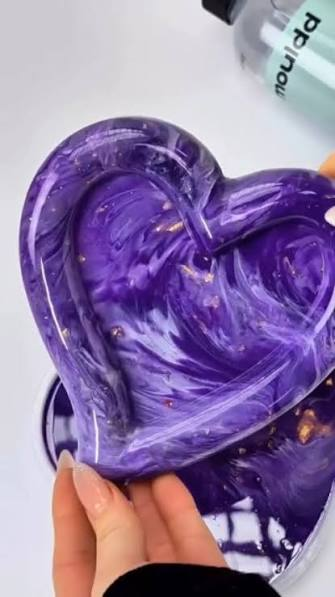
- Construction & Woodworking: Creates heavy-duty protective floor coatings, durable countertops, structural adhesives, and decorative river table
Comments (0)
No comments yet. Be the first to share your thoughts.