How It's Made
How It's Made : Biscuit and Cookies
July 4, 2026 · 18 views
Biscuits are made by combining flour, fat (like butter or shortening), and a leavening agent (such as baking powder) with a liquid like milk. This mixture is gently kneaded, cut into shapes, and baked at high temperatures until golden and flaky. The process differs slightly whether making them at home or in a factory.
To make a standard batch of fluffy, tender biscuits using the classic Biscuit Mixing Method, use the following measured ingredients:
- Flour: 2 cups (approx. 240g) - All-purpose or pastry flour
- Fat: 6 tablespoons (approx. 85g) - Very cold, unsalted butter or lard
- Liquid: 1 cup (approx. 240g) - Cold buttermilk
- Leavening & Flavor: 1 tbsp baking powder, (¼) tsp baking soda, (1 ¼) tsp salt, and optional 1 tbsp sugar
For a quick "cream biscuit," you can simplify the ratio entirely by using 1 part self-rising flour to 1 part heavy cream by weight (e.g., 2 cups flour to 1½ cups heavy cream).
Homemade Biscuits
Homemade Biscuits
To make classic, flaky Southern-style biscuits at home:
- Mix dry ingredients: Whisk together all-purpose flour, baking powder, baking soda, and a pinch of salt.
- Cut in the fat: Grate frozen butter and work it into the dry flour mixture until it resembles coarse crumbs. Keeping the butter cold is the secret to flaky layers.
- Add liquid: Gradually pour in buttermilk or whole milk, stirring gently just until the dough comes together.
- Fold and cut: Turn the dough onto a floured surface, fold it over itself a few times to create layers, and press it down to about 1-inch thickness. Use a floured biscuit cutter to punch out shapes, pressing straight down without twisting.
- Bake: Place them on a baking sheet and bake in a preheated 425°F (220°C) or 450°F (230°C) oven for about 12–15 minutes until the tops are golden.
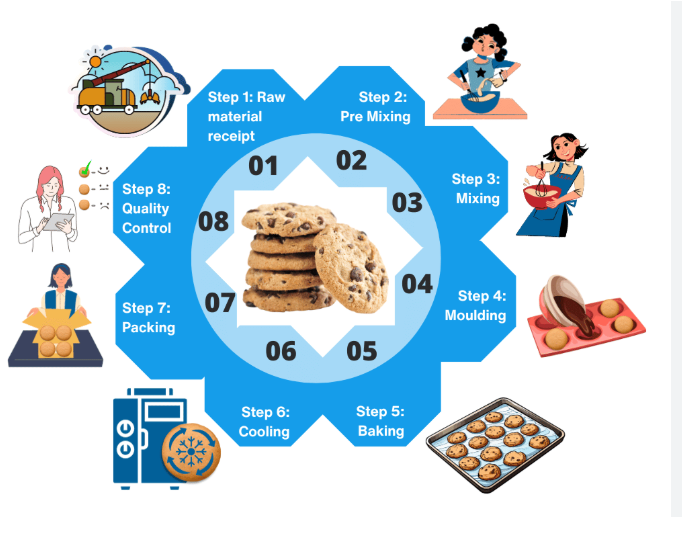
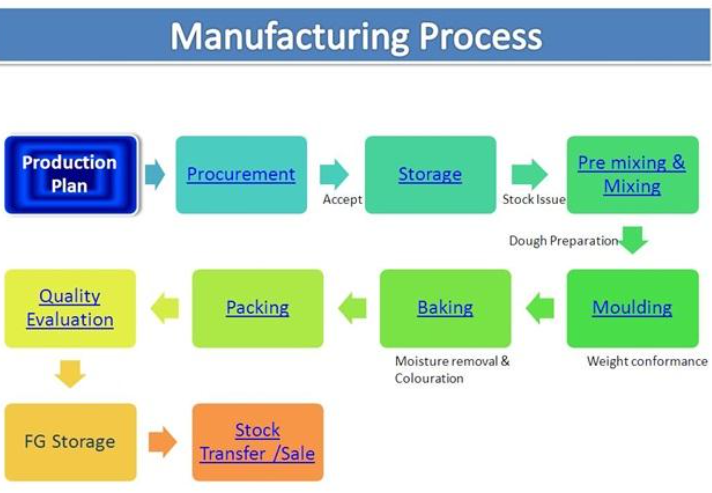
Commercial biscuit production (for cookies and crackers) relies on continuous automated processes:
- Mixing: Massive industrial mixers blend raw materials (flour, sugar, fats, and water) into a smooth, consistent dough.
- Forming: The dough is passed through heavy rollers to flatten it into uniform sheets and then shaped using rotary molders or cutters.
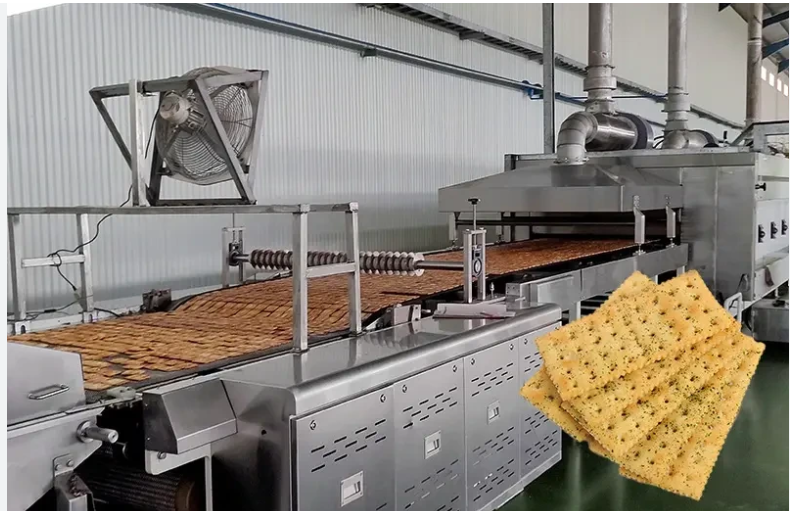
- Baking: The shaped biscuits travel through continuous industrial tunnel ovens equipped with precise temperature zones.
- Cooling and Packaging: Baked biscuits move to a cooling area with circulating cool air before sophisticated machinery packages them for distribution.
Comments (0)
No comments yet. Be the first to share your thoughts.