Chocolate is made from the seeds of the tropical Theobroma cacao tree, which grows in hot, humid climates near the equator. The journey from tree to the final product involves a careful, multi-step process that requires agricultural cultivation, specialized factory processing, and precise confectionery techniques to achieve its signature smooth texture and glossy finish
Chocolate originated over 4,000 years ago in Mesoamerica, where the Olmec, Maya, and Aztec civilizations first cultivated cacao
Cacao can be grown in humid climates within 25 degrees of the equator, so it doesn't grow in Europe at all. Harvesting Cacao Fruits
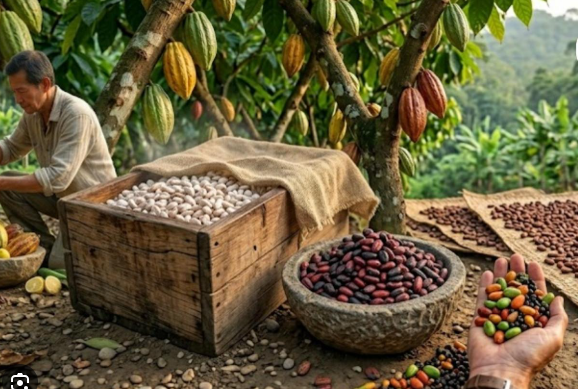
Harvesting cacao fruit requires careful manual labor. Pickers use sharp tools to sever mature pods at peak ripeness without damaging the fragile flower cushion. Pods typically shift from green to a vibrant orange or yellow, taking about 5–6 months to mature, and are harvested by hand using machetes or specialized pole A farmer harvesting his Cacao and processing it at the origin
Cacao Fermentation
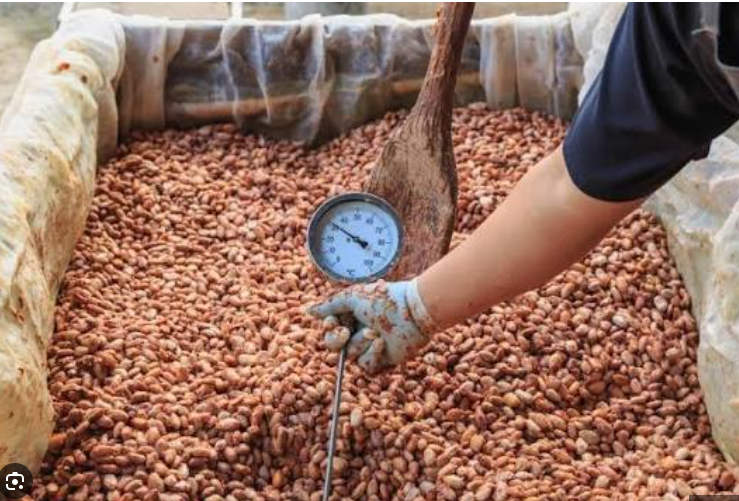
Cacao fermentation is a crucial post-harvest process where freshly harvested beans and their surrounding white pulp are naturally fermented for 2 to 7 days. This spontaneous process generates heat, reduces bitterness, and creates the vital flavor precursors necessary for chocolate development. Cacao beans fermentation
Roasting Cacao Beans
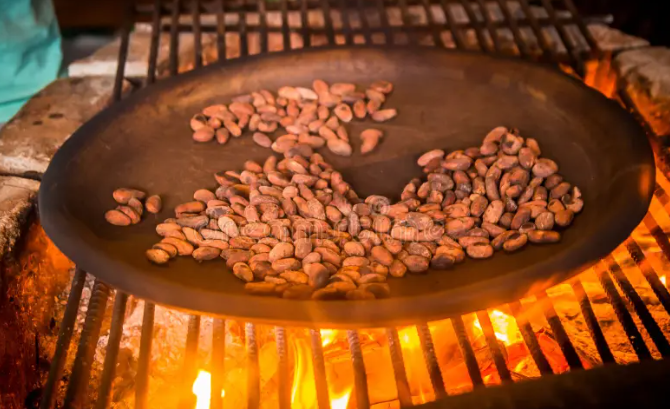
Roast sorted, raw cacao beans in a single layer on a baking sheet. Preheat your oven to 135°C (275°F) and bake for 20 to 25 minutes, stirring every 5 minutes. Cool them immediately once finished. Roasting of the Cacao beans
Cracking & Winnowing Cacao Beans
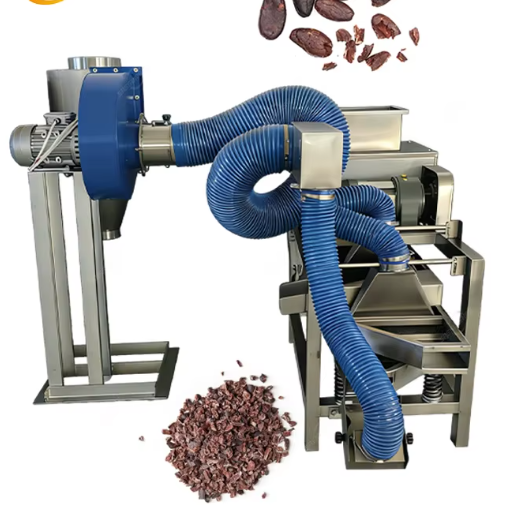
Cracking and winnowing separates roasted cacao beans into edible nibs and papery outer shells. First, gently crush roasted beans to break them into pieces. Next, use controlled airflow (like a fan or hairdryer) to blow away the lighter husks while the heavier, pure nibs fall into a separate container. machine for cracking and winnowing Refining & Conching Chocolate
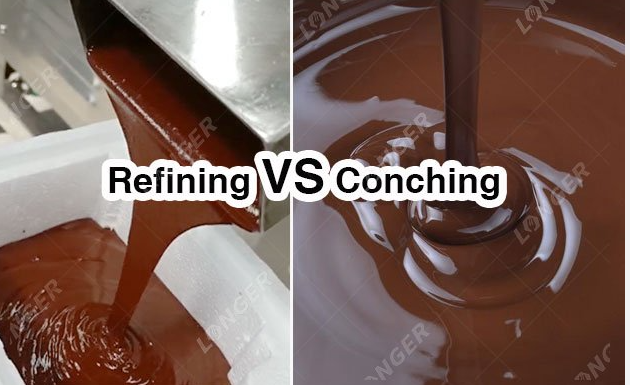
Refining is the mechanical process of grinding cocoa particles and sugar down to a smooth texture (typically under 30 microns) to eliminate grittiness. Conching follows, using heat, friction, and aeration to evaporate bitter volatiles, coat solid particles in cocoa butter, and develop a rich, rounded flavor
The Mechanics of Refining
Particle Size Reduction: Cocoa nibs, sugar, and milk powder (for milk chocolate) are ground together. Human palates can detect anything larger than 30 microns, so this step ensures ultimate velvety smoothness.
Equipment Used: Commercial chocolate makers use large multi-roller mills, while small-batch makers and home chocolatiers use a melanger (stone grinder).
Oil Release: As the ingredients are ground, the friction heats the mixture, causing the cocoa beans to release their natural oils and create a thick liquid called chocolate liquor.
After chocolate is refined, it can be eaten straight out of the machine! But most chocolate is tempered before being packaged for sale. Tempering is the process of heating, cooling, and then slightly re-heating chocolate, so that it stays smooth and shiny.
Comments (0)
No comments yet. Be the first to share your thoughts.