This process extracts the scent and properties of herbs or flowers like lavender, rosemary, or mint into an oil base.
· Gather supplies: Pick fresh plant material in the morning, a carrier oil (like olive, grapeseed, or almond oil), a deep saucepan or slow cooker, and cheesecloth.
· Mix the ratio: Combine 3 parts carrier oil to 1 part plant clippings in your pan.
· Bruise the plants: Crush the leaves or blooms slightly with a wooden spoon to release their natural oils.
· Heat slowly: Heat the mixture on low for about 5 to 6 hours. Never let it boil or simmer.
· Strain and store: Let the oil cool, then pour it through a cheesecloth or sieve into a clean glass container
How to Make True Essential Oils (Steam Distillation)
If you want pure essential oil rather than an infused oil, you need to use steam distillation.
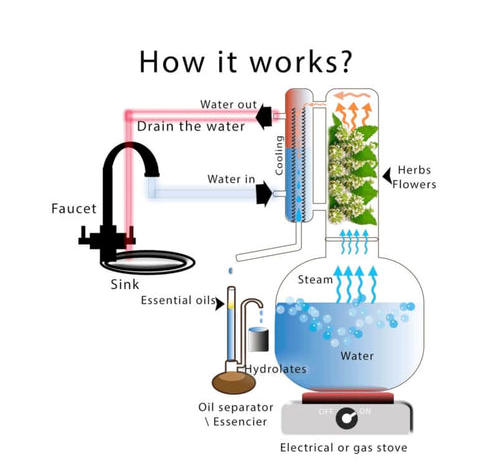
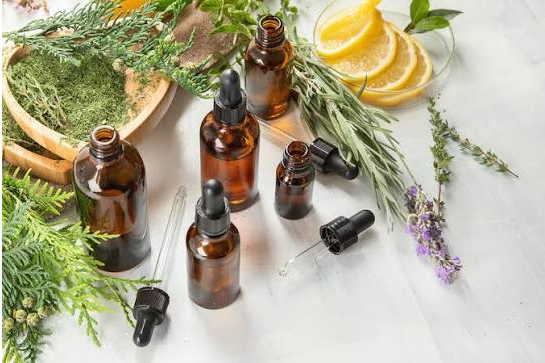
· Use a distiller: Set up a home steam distillation kit with a boiling chamber for water and a separate chamber for your herbs.
· Apply steam:As the water boils, the rising steam passes through the plants without
letting the plants touch the boiling water.
Condense and separate:The steam carries the oil vapor through a cooled condenser tube into a collection vessel. The liquid separates naturally, with the concentrated essential oil floating on top of the aromatic water (hydrosol).
Extract the oil: Use a pipette or a separatory funnel to skim the pure oil off the top.
For a visual guide on using a small desktop setup to distill your own garden herbs:
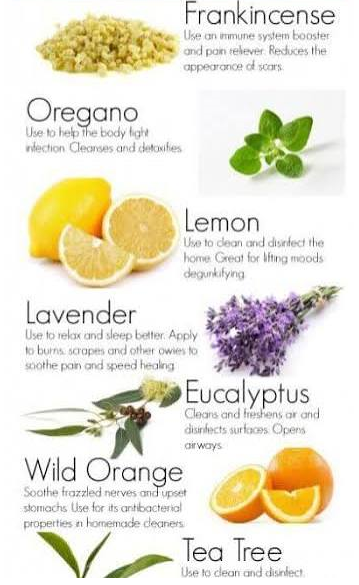
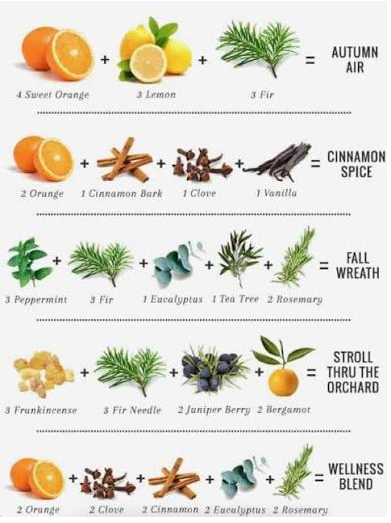
Citrus essential oils like lemon, orange, and grapefruit are the best choices for making a house smell fresh and clean.
Add a few drops of oil to an electronic water diffuser.
· Room Spray: Mix water, a splash of witch hazel, and 15 drops of oil in a spray bottle.
· Air Vents: Put a few drops on a cotton pad and place it near a vent.
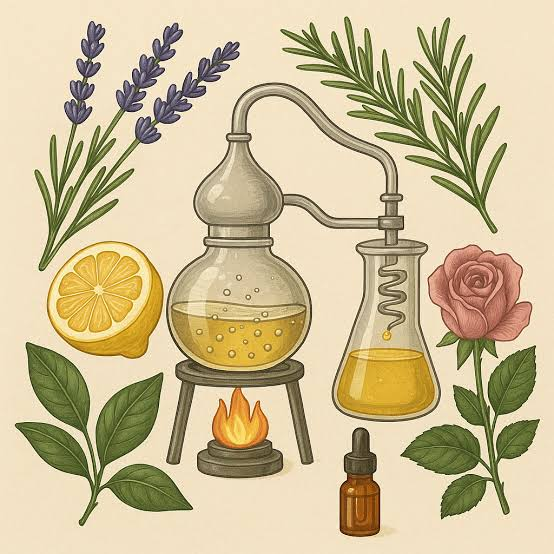
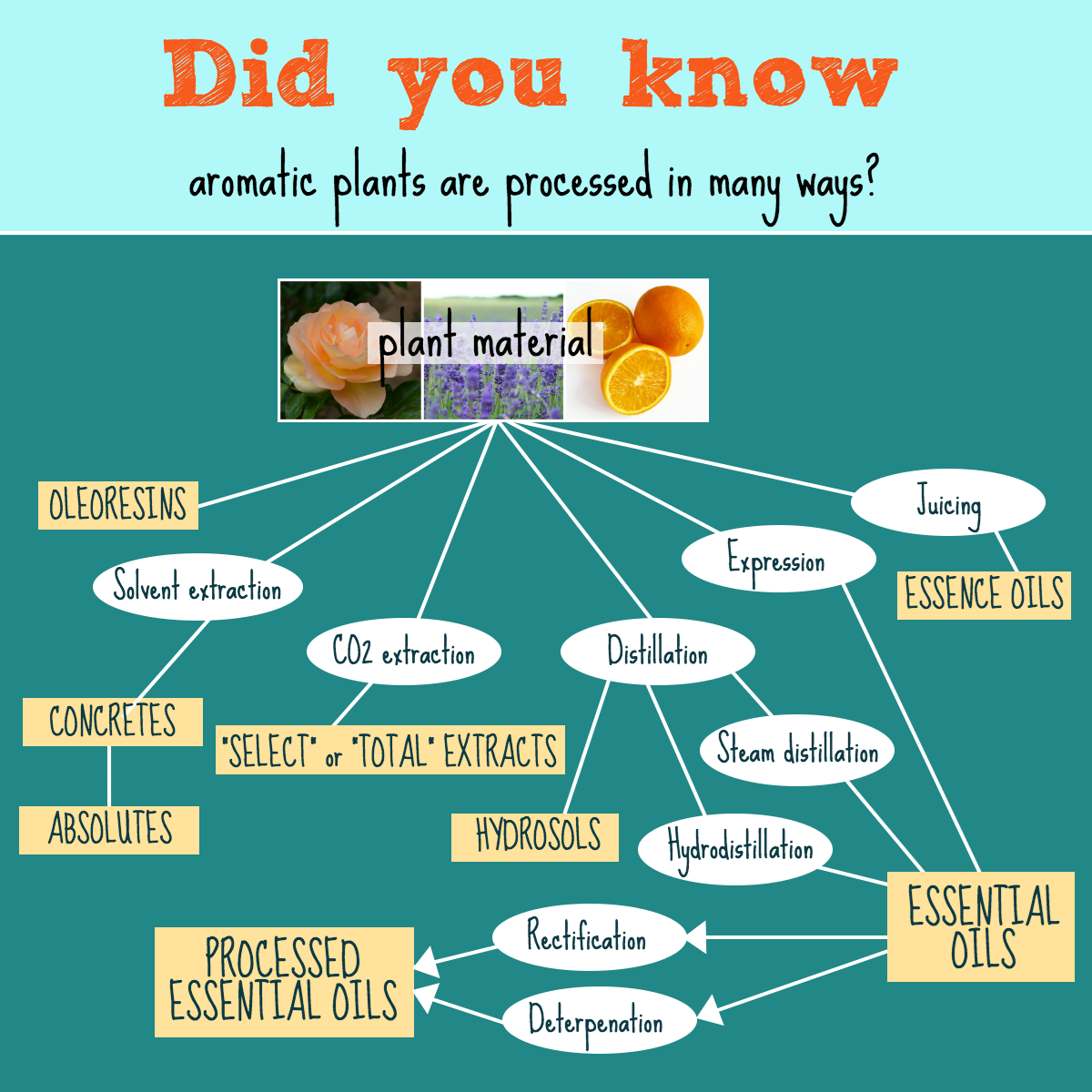
Extracting pure essential oils from plants is most effectively done via steam distillation, while an oil infusionserves as a simpler, beginner-friendly alternative for topical salves. Professional or DIY distillation uses hot steam to force oil glands in plants to release their volatile aromatic compounds into vapor, which is then cooled and condensed back into liquid.
Steam Distillation Method
· Harvest fresh, healthy plant material (like lavender, mint, or rosemary) in the morning for peak oil content.
· Place the plant matter loosely inside a distillation chamber or on a raised rack inside a non-reactive cooking setup.
· Boil water to generate steam, directing the vapor to flow evenly up and through the plant material without tightly packing it
Comments (0)
No comments yet. Be the first to share your thoughts.