Perfume creation blends art, chemistry, and history to transform raw botanical, animal, or synthetic materials into sophisticated liquid fragrances The creation of fine fragrances is a meticulous process that bridges ancient history, artistic expression, and advanced organic chemistry. Transforming raw materials into a luxury bottle of perfume involves five core stages
"Perfume is the invisible, unforgettable, fashionable accessory that heralds your arrival and prolongs your departure." — Coco Chanel
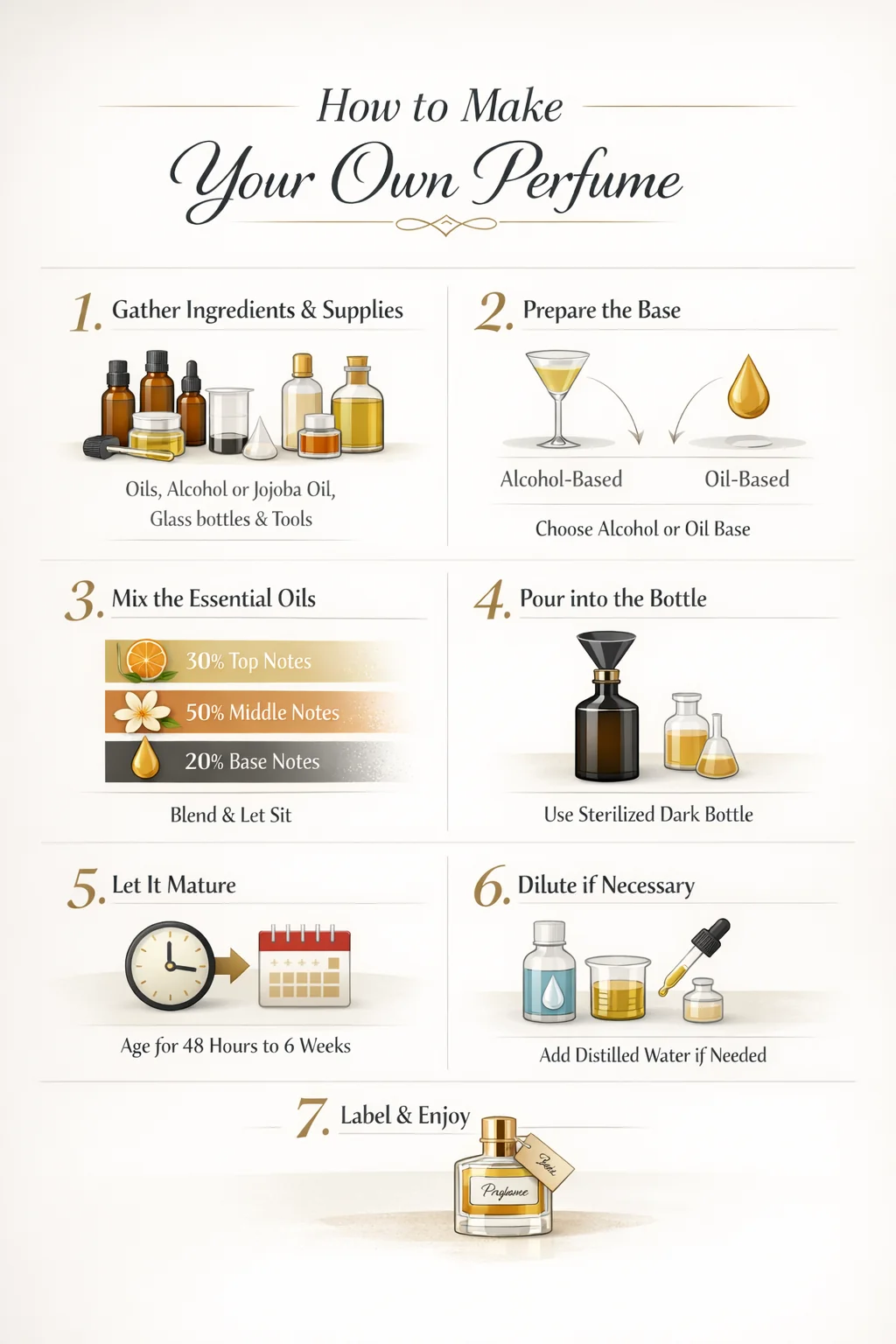
Choose your top, middle, and base note fragrances. Buy essential oils for each.
Measure out 30 drops of the essential oils and whisk together.
Add 2 ounces of high-proof or perfumer’s alcohol and whisk to blend.
Pour the mixture into a glass spray bottle.
Age your cologne for at least 2-3 days.
Add vegetable glycerin and optional distilled water to dilute the cologne.
Key Ingredients
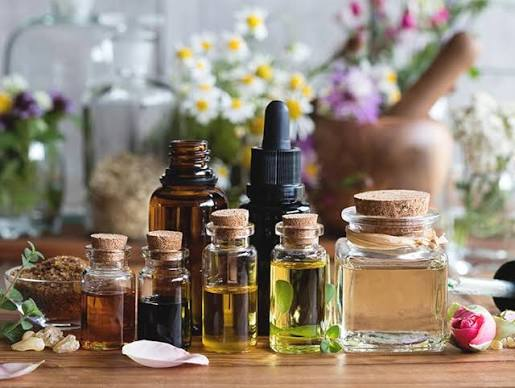
Aromatic Compounds: Essential oils and aroma molecules extracted from flowers, fruits, spices, woods, and resins, or synthesized in a laboratory to replicate or invent new scents.
Solvents: High-grade alcohol or ethanol that dilutes the concentrated oils and helps the fragrance spread evenly across the skin.
Fixatives: Natural resins (like frankincense) or synthetic compounds added to stabilize the volatile oils and anchor the scent so it lasts longer.
Extraction Methods
Steam Distillation: Hot steam passes through raw plant matter (like lavender or wood) to burst oil glands and release aromatic vapors, which are then cooled and condensed back into pure essential oils.
Solvent Extraction: Delicate flower petals (like jasmine or tuberose) are treated with a solvent to dissolve aromatic compounds into a waxy substance called a "concrete," which is then refined with alcohol to create an "absolute".
Cold Pressing: Mechanical pressure physically squeezes essential oils straight out of fresh citrus peels. blending
Formulation and Fragrance Structure
Top Notes: The light, bright initial scents (such as citrus or mint) that are detected immediately upon application and evaporate the fastest.
Heart (Middle) Notes: The expressive core of the fragrance (such as rose, jasmine, or lavender) that emerges as the top notes fade.
Base Notes: The deep, heavy foundation (such as vanilla, musk, or wood) that provides long-lasting and lingering impressions.
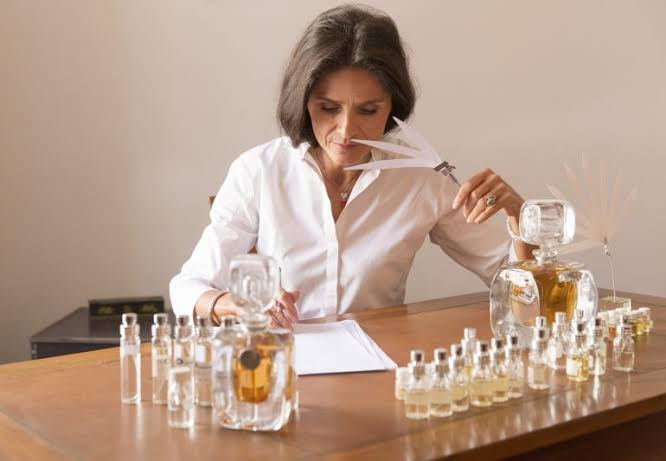
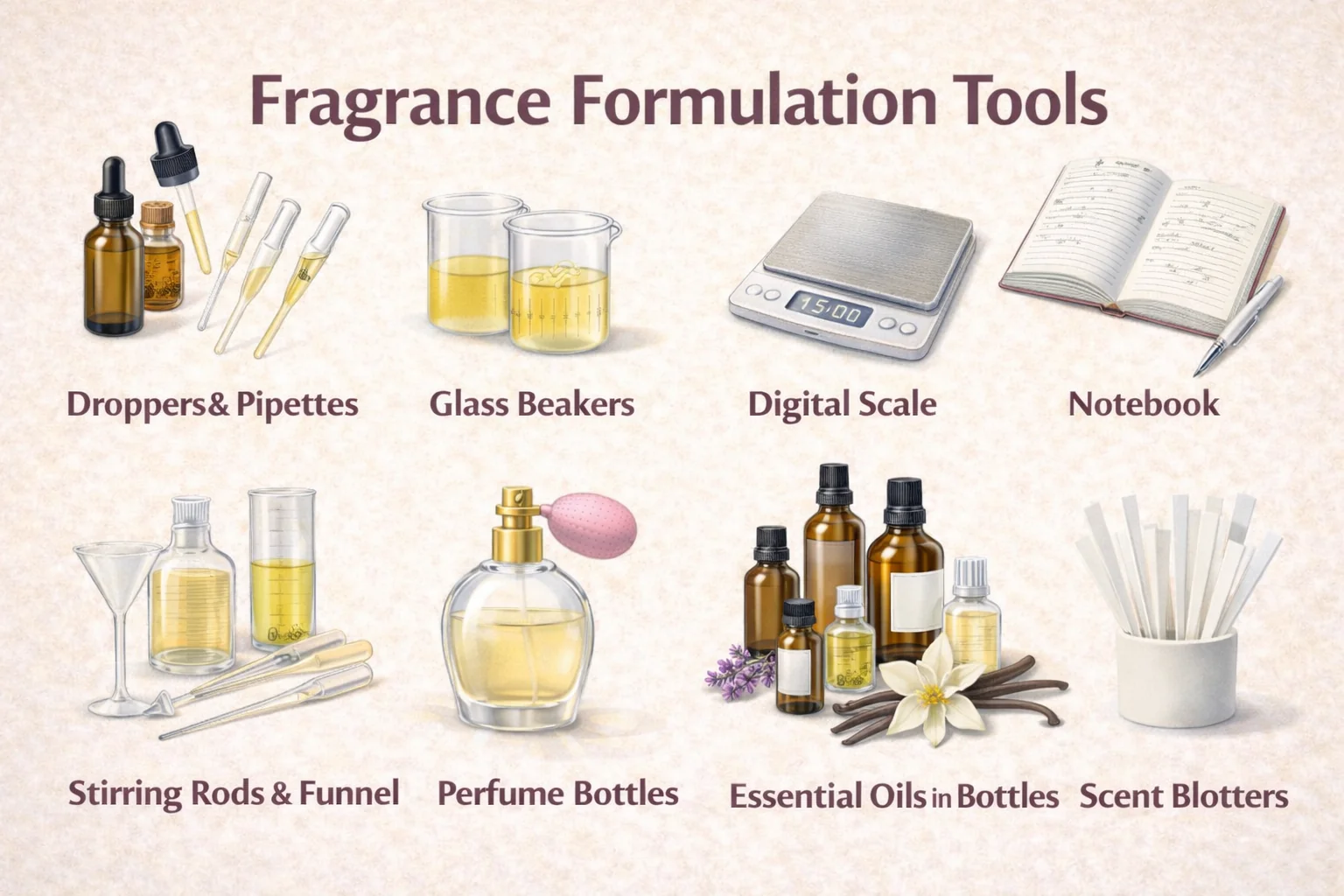
Blending: Master perfumers meticulously weigh and combine dozens to hundreds of natural extracts and synthetic aroma molecules according to a precise formula.
Aging (Maceration): The concentrated oil and alcohol blend rests in cool, dark vats for several months to a year, allowing the components to chemically bond and develop a smooth, harmonious aroma. After aging, the perfume undergoes cold filtration. The mixture is chilled to drop any leftover plant waxes or impurities out of suspension, then passed through fine filters to guarantee a crystal-clear liquid. Laboratories use gas chromatography to verify that the batch perfectly matches safety and regulatory standards.
The finalized oil concentrate is mixed into its final carrier liquid, which is almost always perfumer's alcohol (ethanol) mixed with a small amount of water. The ratio of oil to alcohol determines the type of fragrance being made: [1, 2]
Perfume Extract: High concentration (20%-40% oils)
Eau de Parfum (EdP): Medium-high concentration (15%-20% oils)
Eau de Toilette (EdT): Medium concentration (5%-15% oils)
Eau de Cologne (EdC): Low concentration (2%-4% oils)
Filtration and Bottling: The mature liquid is chilled and cold-filtered to remove any remaining impurities or waxes before being sealed into protective glass bottles. Simultaneously, custom glass bottles are molded from molten sand, soda ash, and limestone at temperatures reaching 1600°C. The pristine bottles are sent to automated factory production lines where they are filled, fitted with a pressurized spray pump, capped, and sealed in airtight containers to preserve the delicate compounds from light and heat damage.
Comments (0)
No comments yet. Be the first to share your thoughts.