How It's Made
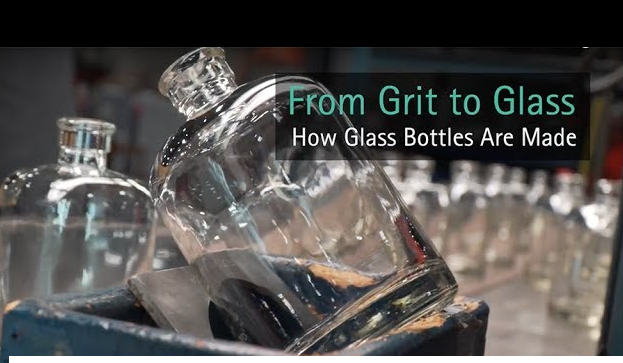
How It's Made : Glass Bottle
September 7, 2026 · 14 views ·by Odeyemi Oluwafemi
"Without effort, your talent is nothing more than your unmet potential." ( Angela Duckworth )
"It does not matter how slowly you go as long as you do not stop." — Confucius
Grit is having the courage to push through, no matter what the obstacles are, because it's worth it (Chris Morris)
Glass bottles are manufactured through a continuous, high-temperature industrial process that transforms raw sand and recycled glass into molded containers. According to the Glass Packaging Institute, this system runs 24/7 because the massive melting furnaces cannot easily be shut down without risking damage.
▶ Watch the video how coca cola bottles are made
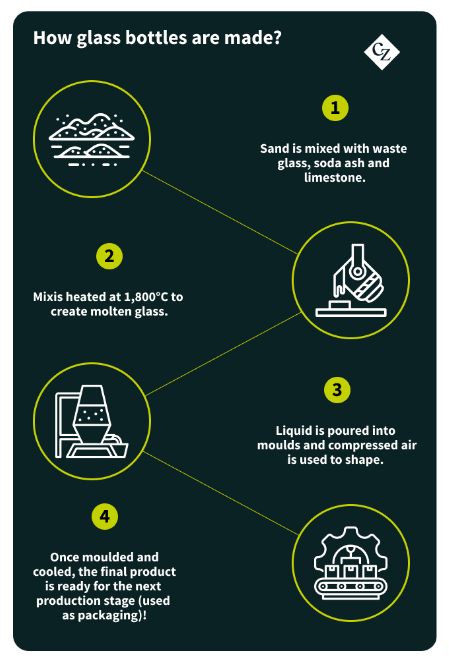
The entire manufacturing timeline is broken down into five primary stages
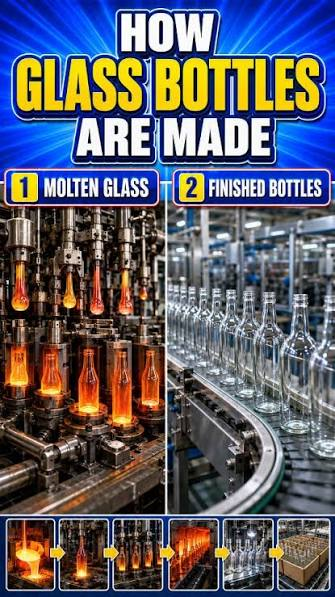
1. Batching the Raw Materials
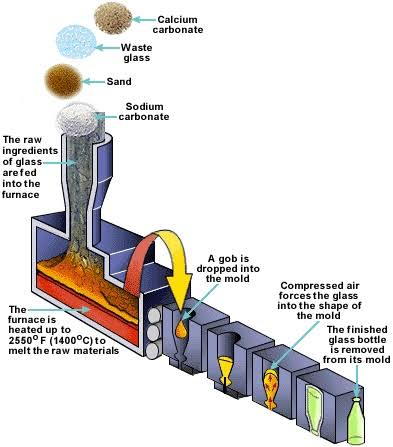
The process begins by precisely measuring and blending the raw ingredients:
- Silica Sand: The core component, making up about 70% to 75% of the mixture.
- Soda Ash: Lowers the melting point of the sand to make the process more energy-efficient.
- Limestone: Acts as a stabilizer to improve durability and prevent the glass from weathering.
- Cullet (Recycled Glass): Added to drastically reduce energy consumption and the environmental footprint of production.
2. Melting in the Furnace
The blended "batch" is fed into a massive gas-and-oxygen furnace. The mixture is heated to temperatures exceeding 1,500°C (2,700°F). At this extreme heat, the materials lose their crystalline structure and fuse into a glowing, viscous liquid. Impurities and air bubbles are systematically forced out to guarantee clear glass.
3. Gob Cutting
Once the molten glass flows out of the furnace, it passes through channels where it is cooled slightly to its workable plastic state (around 1,050°C to 1,200°C). A heavy, automated shearing blade cuts the stream into exact, individual segments called gobs. Each individual gob contains the exact weight of glass required to form a single bottle.
4. Shaping and Molding
The glowing gobs fall by gravity down a series of chutes into an Individual Section (IS) forming machine. The bottle is shaped using one of two techniques:
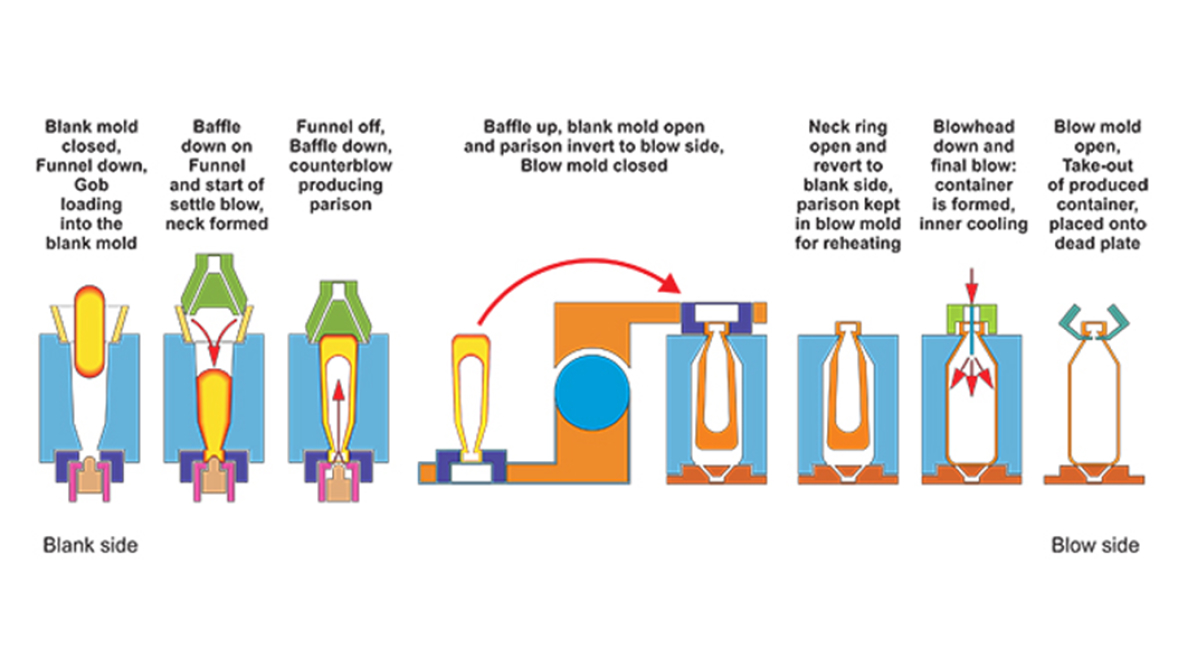
- Blow and Blow Process: Compressed air pushes the gob into a preliminary mold to form a "parison" (a hollow, miniature version of the bottle). The parison is flipped into a final mold, where another blast of high-pressure air stretches the glass out to its definitive bottle shape. This method is favored for narrow containers like beer or wine bottles.
- Press and Blow Process: A metal plunger mechanically presses the gob into the preliminary mold to form the parison. Compressed air then finishes the job in the final blow mold. [
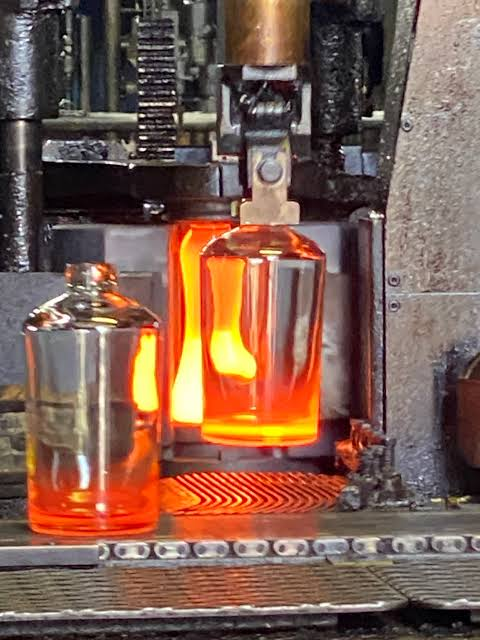
The newly formed bottles exit the molds at roughly 600°C. Because rapid cooling causes structural stress that makes glass shatter, the bottles immediately enter an annealing lehr. This specialized tunnel slowly cools the glass over the course of an hour to eliminate internal stresses and reinforce durability.
Comments (0)
No comments yet. Be the first to share your thoughts.