How It's Made
how it's made: Sweets
August 22, 2026 · 59 views ·by Odeyemi Oluwafemi
Sweets are made by boiling sugar, water, and corn syrup together, then adding precise flavors and colors. High heat creates hard candies like lollipops, while lower heat and added gelatin or starch create soft treats like gummies and chewy caramels.
Basic Ingredients
Sugar: Gives the sweet its main base and structure.
Corn syrup: Stops the sugar from turning back into hard crystals.
Water: Melts and mixes everything together under heat.
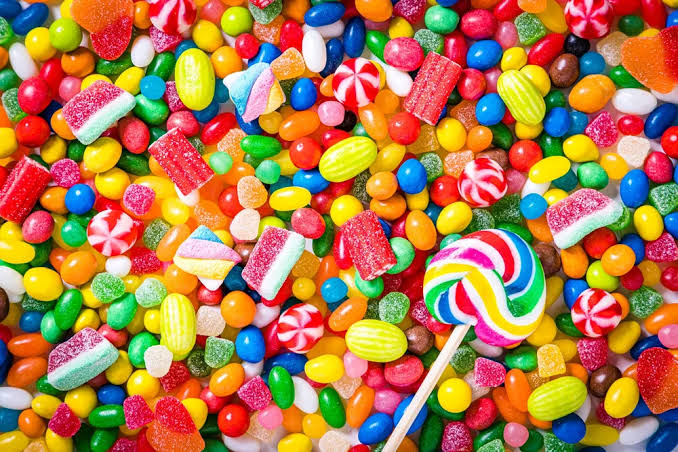
How Different Sweets Are Made
Hard Candies: Sugar and syrup are heated to very high temperatures, poured on a cooling table, mixed with colors and oils, and shaped or cut.
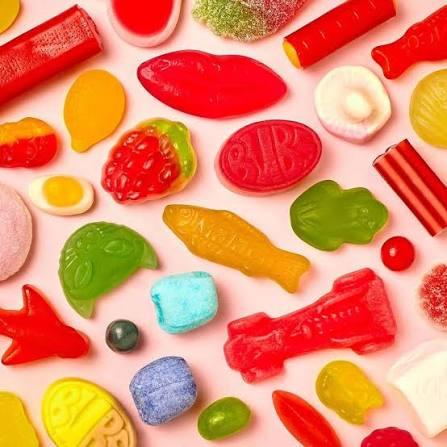
Gummy Candies: Sugar syrup is blended with hot liquid gelatin, poured into cornstarch molds with specific shapes, and dried until firm.
Cotton Candy: Solid sugar is spun in a heated bowl and forced through tiny holes by centrifugal force, turning into fine sugar threads.
Caramels: Sugar, milk, butter, and syrup are cooked slowly at a lower heat until the mixture thickens and turns golden. .
1. Hard Candies & Boiled Sweets
1. Hard Candies & Boiled Sweets
Hard candies like lollipops and candy canes rely on high-temperature boiling to remove almost all water content.
- Boiling: Confectioners boil a mixture of granulated sugar, water, and corn syrup or glucose syrup to roughly 150°C (302°F). The syrup stops the sugar from recrystallizing back into a grainy texture.
- Cooling & Flavoring: The molten sugar is poured onto water-cooled steel tables where liquid flavorings, citric acid, and food colorings are folded in.
- Pulling & Aeration: Large batches are hooked onto mechanical pullers to incorporate air, making the candy shiny, opaque, and brittle.
- Shaping: The pliable candy is rolled into a thick cylinder, drawn out into thin "ropes," and sliced by rotating blades into individual pieces.
2. Gummy Candies
Gummies rely on a special gelling agent to get their signature chewy texture.
- The Gelatin Base: Chemists mix tasteless, odorless gelatin with sweeteners like sucrose and fructose. Gelatin gives the candy its unique ability to melt smoothly inside the mouth.
- Flavor Blending: The mixture is cooked down with corn syrup to lock in moisture and
- add volume. Confectioners then blend in concentrated fruit juices, food acids, and aromatic flavor chemicals.
- Starch Molding: The warm, liquid gummy mixture is squirted into trays packed with cornstarch molds shaped like bears, worms, or rings.
- Curing: The trays sit in a climate-controlled room for up to 24 hours to cool and fully solidify before the starch is shaken off.
candy - 3. Layered Sweets & Jawbreakers
Jawbreakers (gobstoppers) are created from the inside out over a period of several days.- The Core: Factories blend synthetic rubber, resins, and oils to create a dense bubble gum base. This base is extruded into long ropes, cut, and rolled into solid balls.
- Panning: The core spheres are placed inside massive, spinning copper drums called "panning machines."
- Sugar Cores: As the drums rotate, workers repeatedly spray liquid sugar, colors, and flavors onto the tumbling centers. Each layer dries and hardens completely before the next color is applied.
- Multi-day Build: A single jawbreaker can tumble through the panning process for weeks to slowly build up to 10 distinct, colorful candy shells.
Comments (0)
No comments yet. Be the first to share your thoughts.