Business Ideas & Implementation
Corporate Farming : How to plant tomato in greenhouse
July 13, 2026 · 9 views
Corporate farming is the practice of large-scale agriculture owned or heavily influenced by commercial businesses. It prioritizes high productivity, supply-chain integration, and advanced technology—like AI and GPS-guided machinery—over the traditional family-farm model
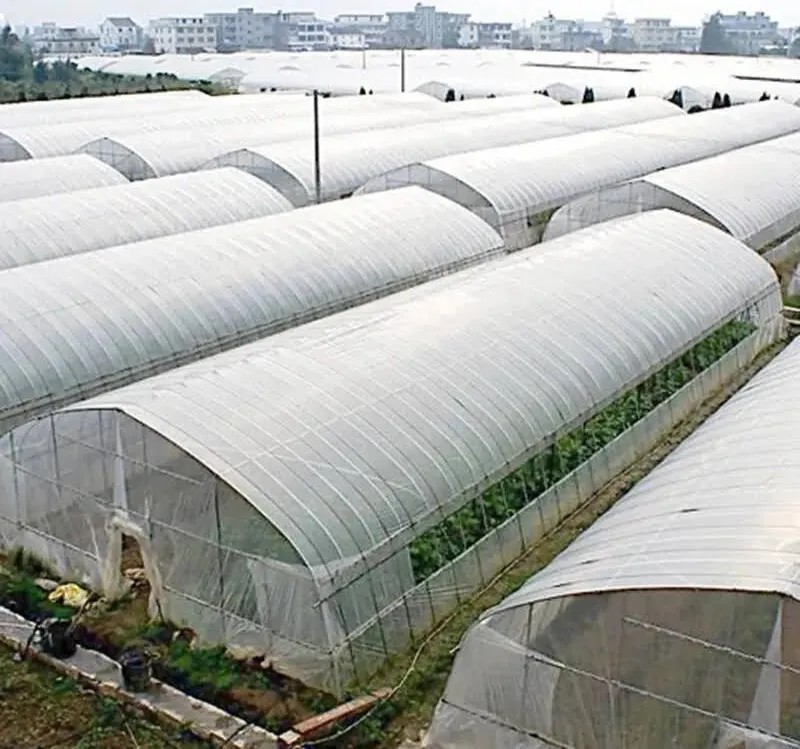
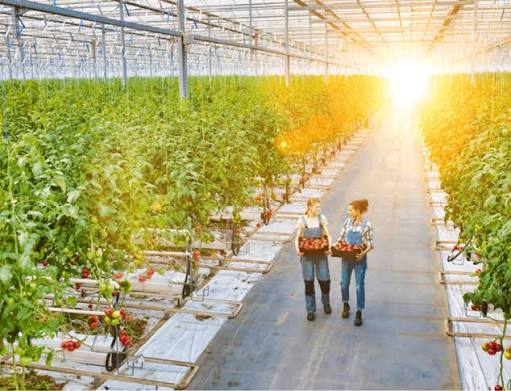
Greenhouse tomatoes is an ideal corporate farm venture that produce 3-5kg of fruit per plant when grown in large pots or growbags with regular feeding. Sow seeds in February or March at 18-21°C and transplant to final positions.
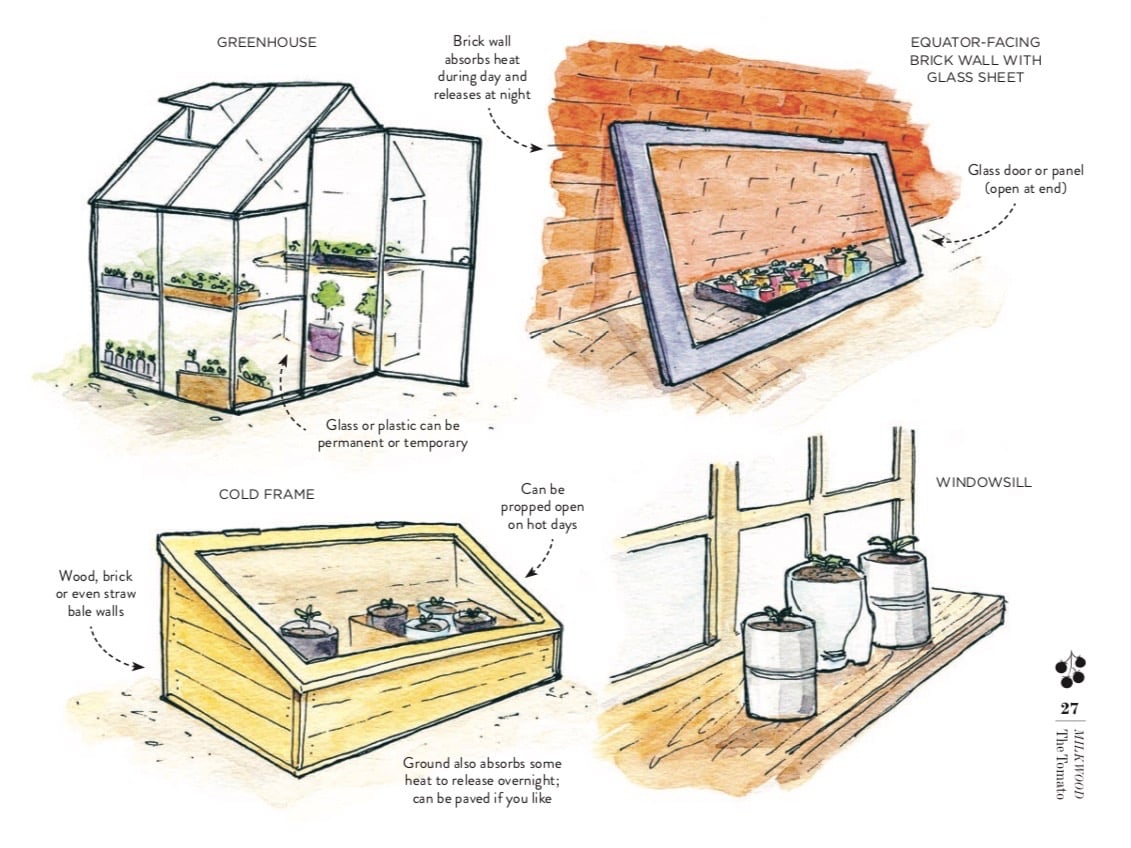
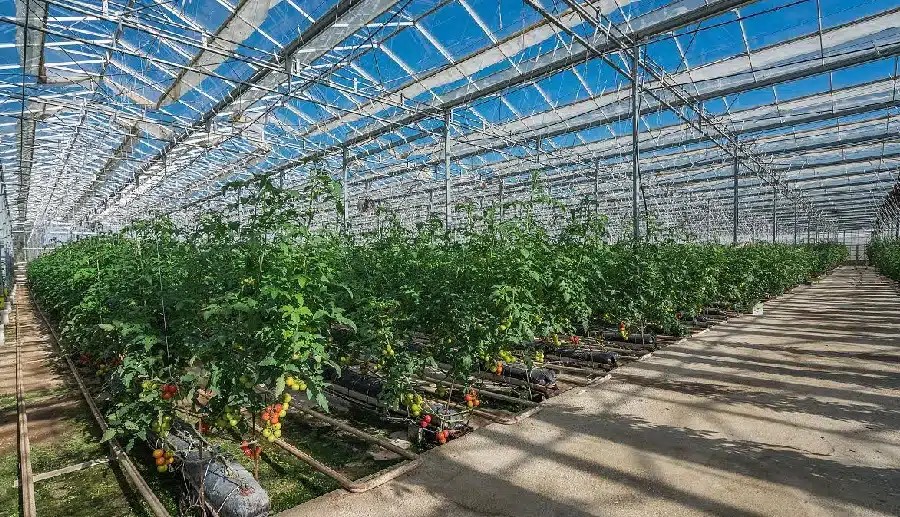
Plant greenhouse tomatoes by placing hardened-off seedlings in large pots (at least 15–20 liters) or deep into the ground. Bury part of the stem for root development, set up a trellis or string support, prune off lower suckers, and hand-pollinate the flowers daily by gently tapping them.
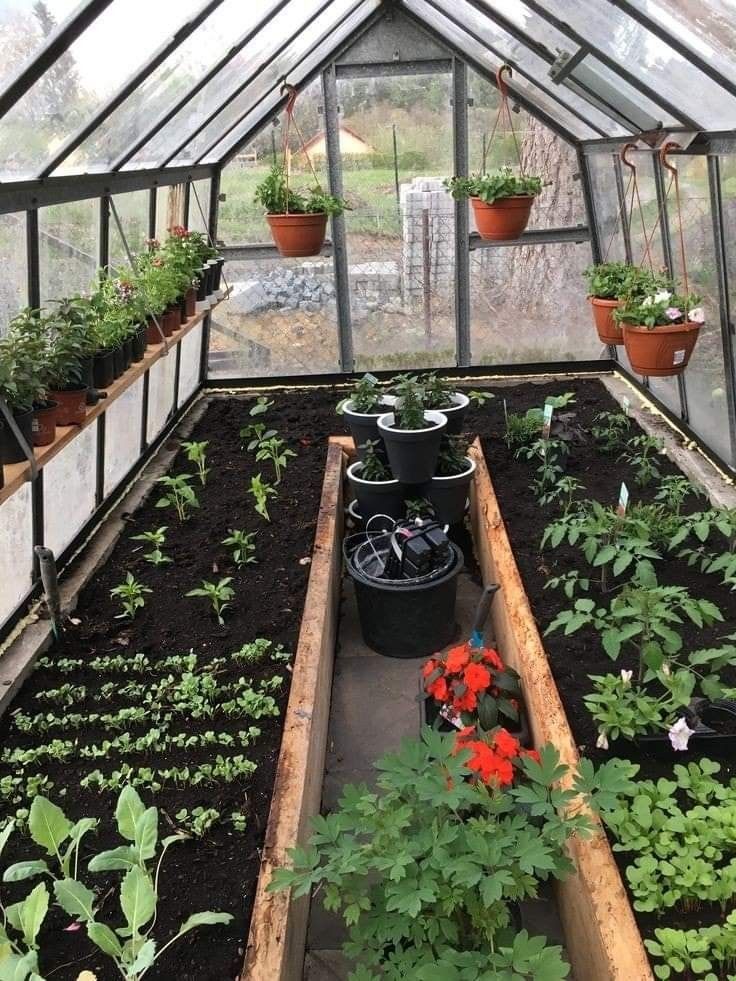
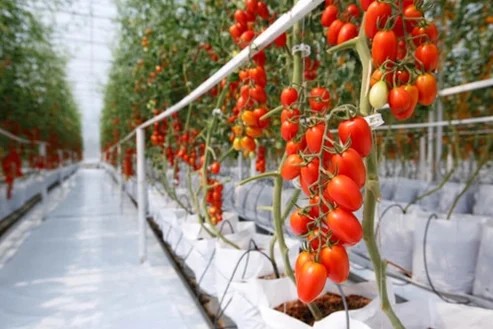
You can grow tomatoes in a greenhouse all year round, but only if you actively control the environment. Because tomatoes are a tropical crop, they require consistent warmth (minimum 60°F / 16°C) and supplemental grow lights during the darker winter months.
Cost Benefit Analysis
Costs include the structure itself, heating and cooling systems, ventilation, and supplementary lighting. But during scarcity, tomato prices can skyrocket, meaning the benefits outweigh the cost of installation of the greenhouse. The greenhouse can be use for other purposes when not planting tomatoes.
Key Requirements for Year-Round Greenhouse Tomatoes:
Achieving a 12-month tomato harvest requires significant infrastructure:
- Supplemental Heating: Tomatoes will stop growing and producing fruit when temperatures drop below 50°F (10°C) and will die if they freeze. You will need a greenhouse heater or HVAC system to maintain a tropical climate through the winter.
- Supplemental Lighting: In the winter, days are shorter and the sun is weaker. Tomato plants require about 6 to 8 hours of direct light, so you will need to install specialized greenhouse LED grow lights to maintain fruit production
.
Pollination: Greenhouse tomatoes don't have natural pollinators like bees and the wind to shake the pollen loose. You will need to manually shake the tomato blossoms gently every few days to ensure they pollinate and produce fruit.
Two-Crop Rotation: Instead of keeping the same plants alive all year, many commercial growers use a two-crop rotation. They seed a fall crop in the summer and a spring crop in the winter to maximize yields.
Fertilizer and Manure Application
A common fertilizer program is to use a 7-1 1-27 plus calcium nitrate. The 7-1 1-27 is mixed at a rate of 15 ounces per gallon to make a concentrate stock solution. The calcium nitrate is mixed at 10 ounces per gallon of stock solution. These two stock solutions should be in separate containers.
A common fertilizer program is to use a 7-1 1-27 plus calcium nitrate. The 7-1 1-27 is mixed at a rate of 15 ounces per gallon to make a concentrate stock solution. The calcium nitrate is mixed at 10 ounces per gallon of stock solution. These two stock solutions should be in separate containers.
note: A 7-1-27 (or 7-11-27) fertilizer is a specialty water-soluble nutrient profile used primarily for hydroponic and soilless vegetable production. It is high in potassium and is specifically designed to promote strong stems and support heavy flowering and fruiting crops.
NPK Ratio: 7% Nitrogen, 11% Phosphorus, 27% Potassium.
NPK Ratio: 7% Nitrogen, 11% Phosphorus, 27% Potassium.
Micronutrient Profile: Typically includes high levels of calcium, magnesium, iron, and other trace minerals for soilless growing.
Primary Use: Ideal for tomatoes, peppers, and cucumbers in indoor or outdoor hydroponic systems (like rockwool or NFT).
Organic manure can also be blend with the soil. Organic manure application improves soil structure, boosts microbial activity, and provides slow-release nutrients. For optimal results, apply well-composted manure uniformly via broadcasting, surface banding, or shallow disk injection. Always incorporate it into the top 15 cm of soil a few weeks before planting to prevent burning and maximize nutrient absorption
watering process
Greenhouse tomatoes generally require deep watering every 2 to 3 days, increasing to daily or twice-daily during hot summer heatwaves. Instead of a strict schedule, check if the top 2 cm (1 inch) of soil is dry
Proper technique and consistency are crucial:
- Avoid splitting: Irregular watering (e.g., bone dry to flooded) causes fruits to swell too quickly and split their skins.
- Prevent disease: Always water at the base of the plant. Splashing water onto the leaves raises humidity and can lead to fungal issues.
- Timing: Water in the morning so excess moisture evaporates, reducing nighttime fungal risks.
Yield and cost
Tomato yield per acre varies significantly based on the growing method and seed variety. While open-field farms yield 10 to 20 tons per acre, advanced greenhouse setups and hybrid varieties can produce anywhere from 25 to 80+ tons per acre
Comments (0)
No comments yet. Be the first to share your thoughts.