Java and JavaScript are entirely different programming languages despite sharing part of their name. While Java is a structured, compiled language designed for building large enterprise applications, JavaScript is a flexible, interpreted language built to bring interactivity to the web. The naming overlap was primarily a marketing strategy in 1995 to capitalize on Java's early popularity.
The concept of "expression" manifests differently in each language due to their underlying design philosophies.
Java (Expression through Structure): Java enforces strict organization. Code must live inside classes, and data types must be declared upfront. This verbosity provides safety and clarity for large teams managing millions of lines of code.
JavaScript (Expression through Flexibility): JavaScript allows you to write functional logic instantly without setup wrappers. Its dynamic typing allows variables to change intent on the fly, enabling rapid prototyping and highly dynamic user interfaces.
C-Like Syntax: Both use curly braces {} for code blocks and semicolons ; for line endings.
Object Orientation: Both support object-oriented patterns, though Java uses strict class-based inheritance while JavaScript relies on prototype-based inheritance
The Core Philosophy
Java is the language of structure and stability. It is designed for predictability, safety, and large-scale architectural design. It forces you to explicitly define your intent, making it highly reliable for heavy backend systems.
JavaScript is the language of dynamism and immediacy. It is built to react to human actions on a screen in real time. It values flexibility, allowing developers to write expressive, concise code quickly without rigid rules
Because Java is statically typed, the language catches syntax and type errors before your app ever runs. This explicit style means the code reads like a detailed blueprint.
To express a simple "Hello, World!" in Java, you have to establish a class and a structural framework first:
java
public class Main {
    public static void main(String[] args) {
        System.out.println("Hello, World!");
    }
}
Use code with caution.
2. JavaScript: Expressing Fluidity and Freedom
JavaScript is designed to accommodate change quickly. It treats functions as "first-class citizens," meaning you can pass functions around like variables to create highly responsive user interfaces.
To express the same "Hello, World!" in JavaScript, you bypass the overhead entirely:
javascript
console.log("Hello, World!");
Use code with caution.
🤝 How They Form a Complete Expression
Modern software rarely chooses one over the other; instead, they work together. When you interact with a modern web application:
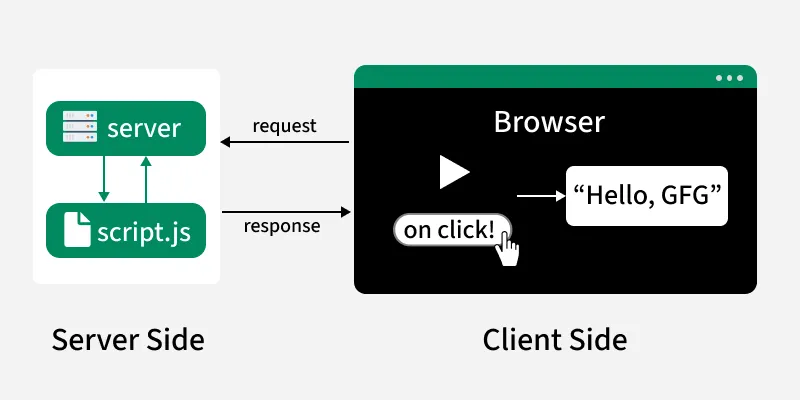
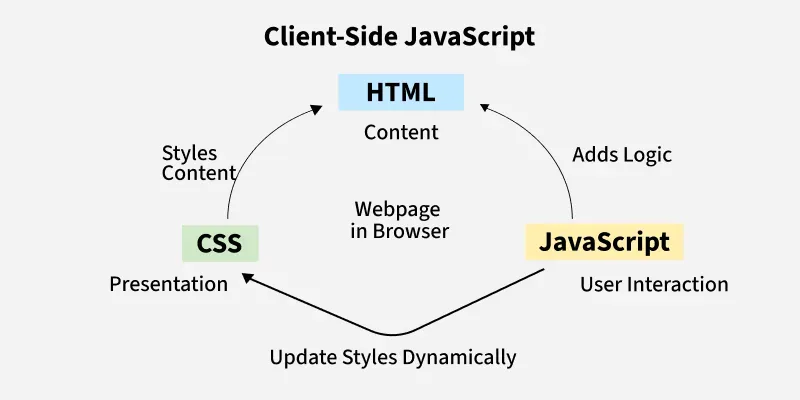
JavaScript works on the frontend inside your browser to handle animations, button clicks, and immediate UI updates.
Java works silently in the background on secure cloud servers to process payments, manage databases, and run heavy business computations.
Would you like to explore how to choose between them for a specific project, or are you interested in seeing a comparison of their object-oriented features?
Comments (0)
No comments yet. Be the first to share your thoughts.
Comments (0)
No comments yet. Be the first to share your thoughts.