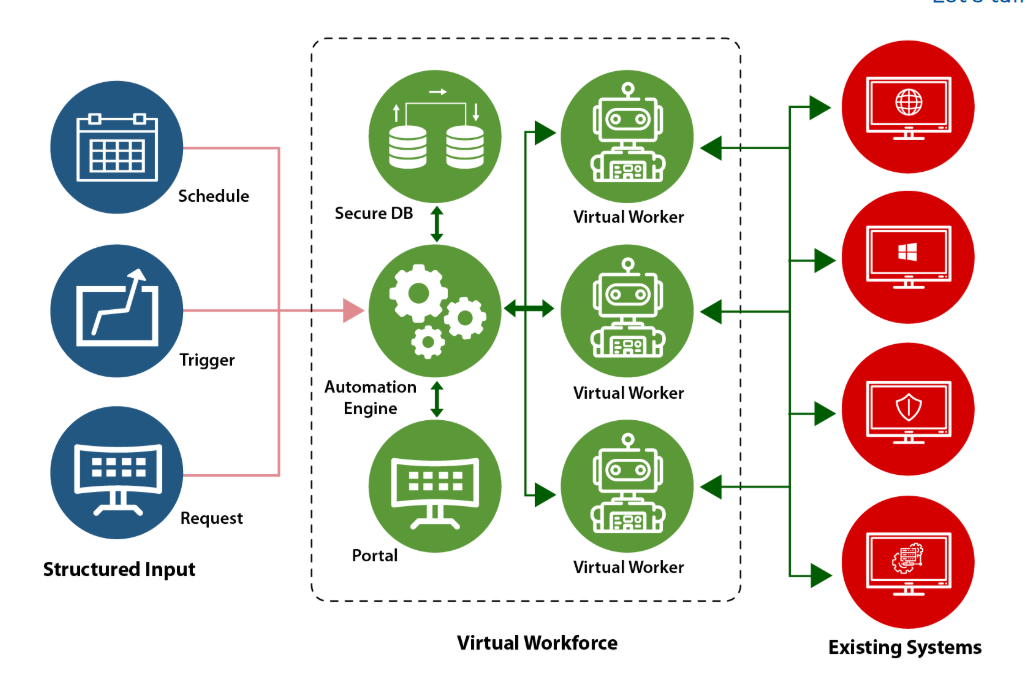
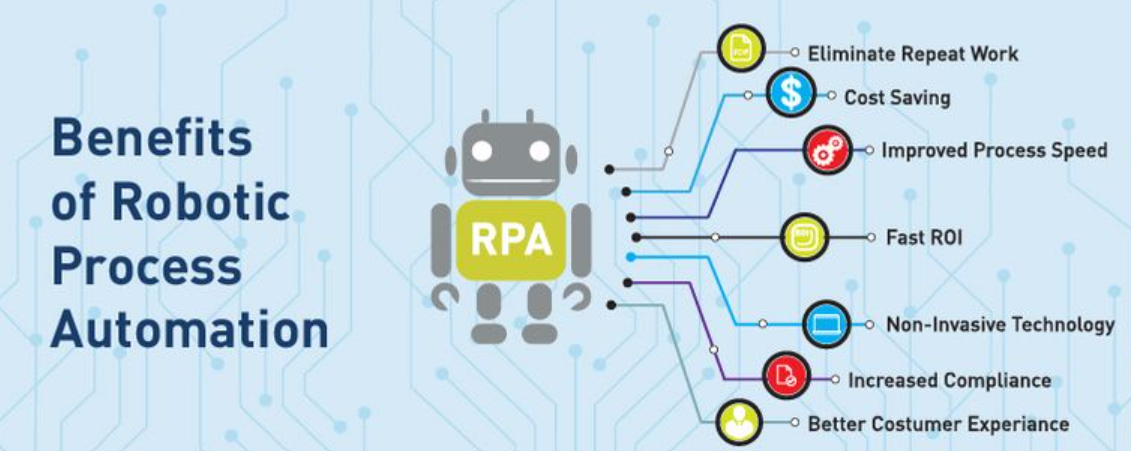
Process automation uses technology to handle repetitive, rule-based tasks and workflows.
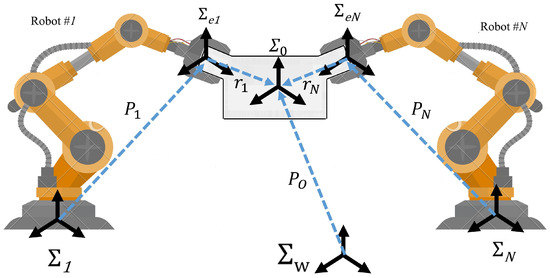
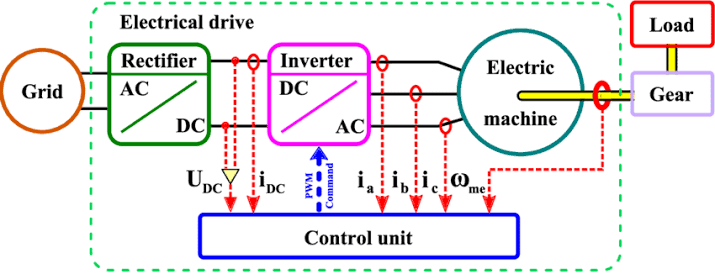
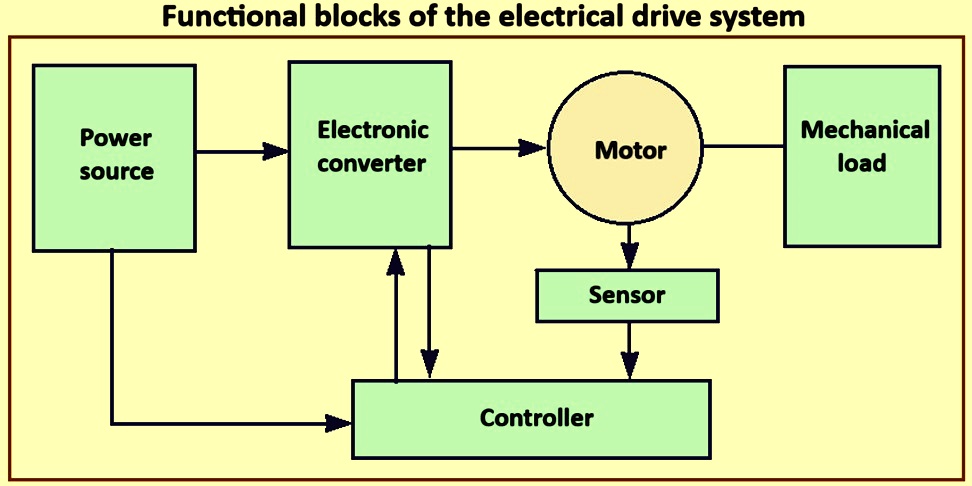
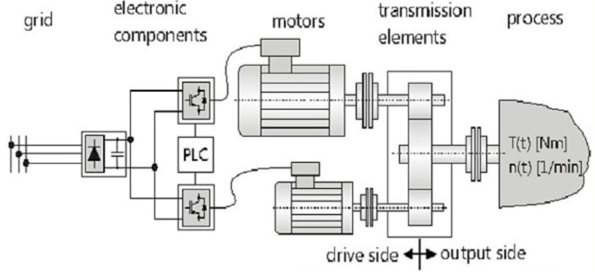
A robot's drive system converts electrical, hydraulic, or pneumatic energy into mechanical motion. It powers the joints, base, and end-effectors, dictating speed, torque, and positional accuracy. It is a critical component for achieving high-precision tasks in industrial and process automation
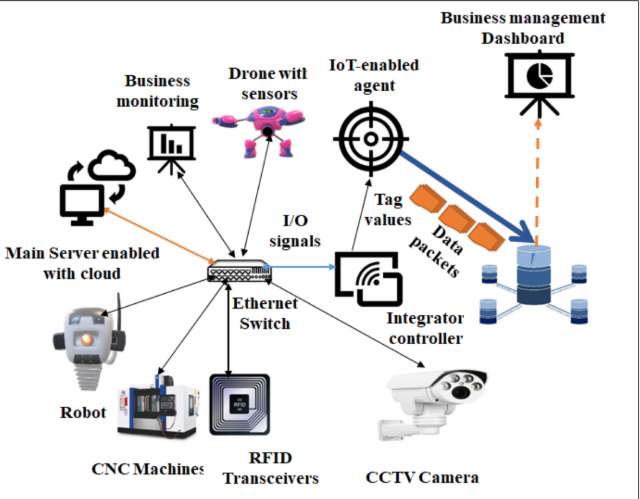
Process automation and robotics drive systems have revolutionized various industries by enhancing efficiency, accuracy, and productivity. These systems utilize advanced technologies such as artificial intelligence, machine learning, and the Internet of Things (IoT) to automate repetitive tasks, streamline workflows, and reduce human error. By integrating robotics into manufacturing, logistics, and service sectors, businesses can achieve faster production times, lower operational costs, and improved quality control. Furthermore, the adaptability of robotic systems allows for scalability and flexibility in responding to changing market demands, making them essential for maintaining competitive advantage in today's fast-paced economy. As automation continues to evolve, the synergy between robotics and process optimization will further transform operational landscapes across multiple sectors.
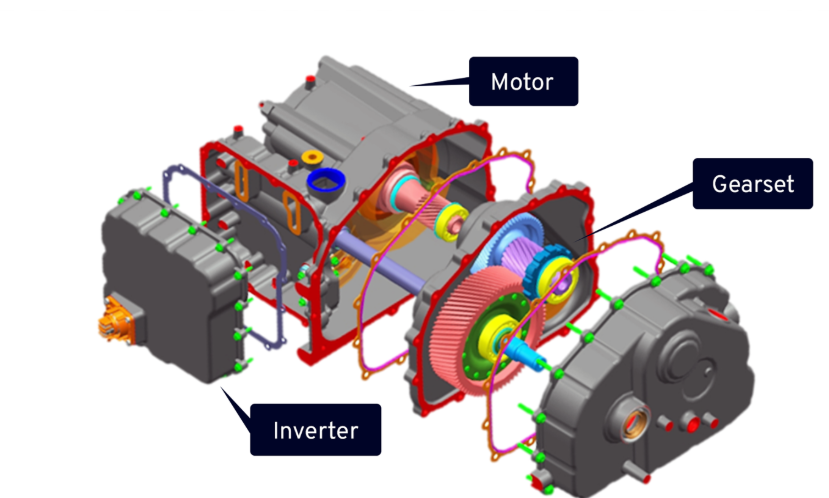
A robot's drive system converts energy into mechanical motion to power its joints and movement. The three primary types are electric (precise, highly favored for modern arms), hydraulic (delivers immense power and heavy payloads), and pneumatic (fast and simple for basic transfers).
Electric Drives: The most common system in modern robotics. They use AC servo motors, DC servo motors, or stepper motors to provide highly precise position control and speed.
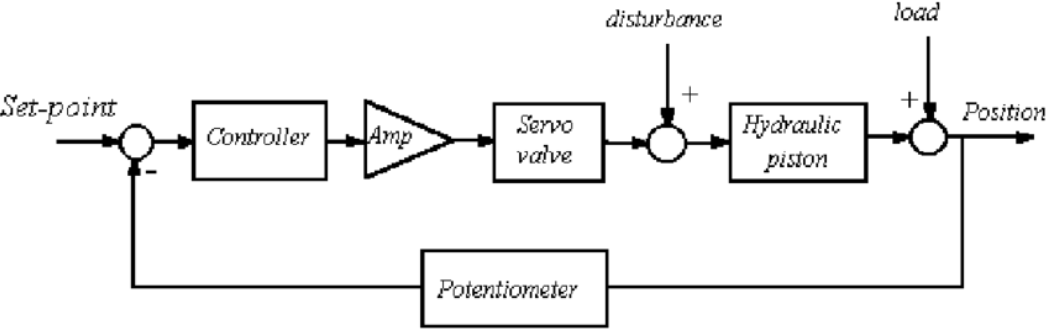
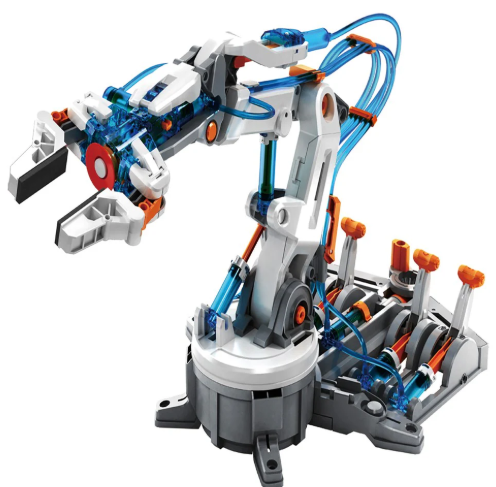
Hydraulic Drives: Utilize pressurized fluid to generate motion. They offer unmatched power-to-weight ratios and load-carrying capacity, making them ideal for heavy-duty industrial or construction robots.
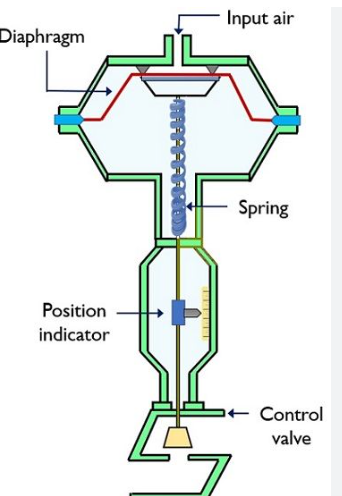
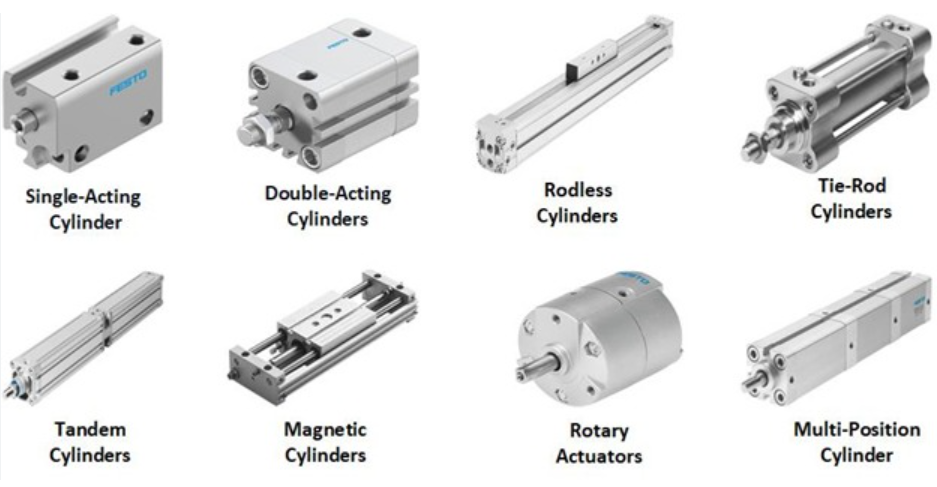
Pneumatic Drives: Powered by compressed air. They feature fast response times, a simple structure, and low costs, though they lack the fine servo-control capabilities of electric motors. Pneumatic valve
Comments (0)
No comments yet. Be the first to share your thoughts.