A rule base (or rule-based system) is a foundational artificial intelligence and programming structure that makes decisions based on predefined, human-crafted "IF-THEN" statements. It acts as a knowledge repository that maps specific inputs to predetermined actions or logical conclusions. They bridge the gap between technical code and business logic, translating domain expertise into executable, transparent decisions for management. Rule Based System
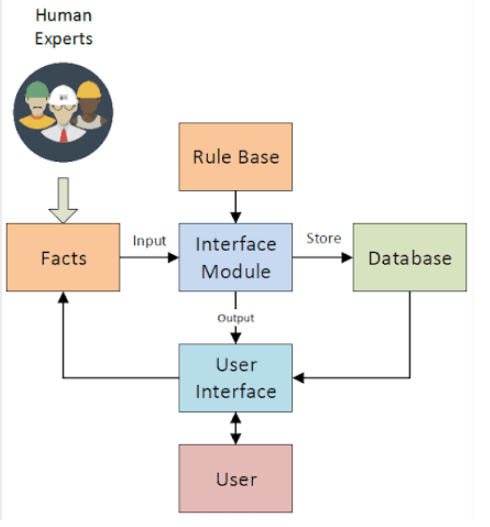
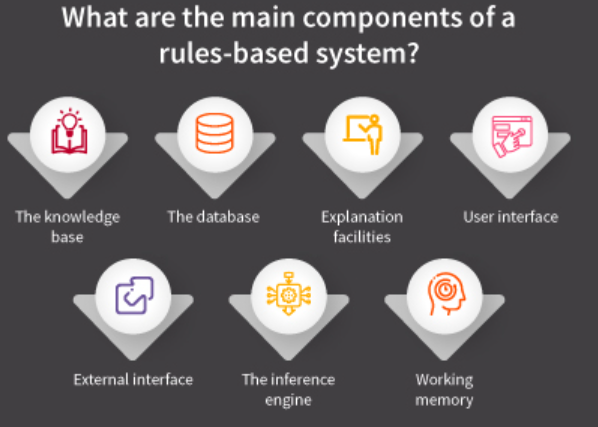
A rule-based system operates using four primary components:
Rule Base / Knowledge Base: The structured database where all the human-coded rules and facts are stored.
Working Memory: The dynamic component that stores the active data or current facts being processed (e.g., user input or intermediate results).
Inference Engine: The logical reasoning component that interprets the data in the working memory against the rules to reach a decision.
User Interface: The system allowing users to input data and receive output.
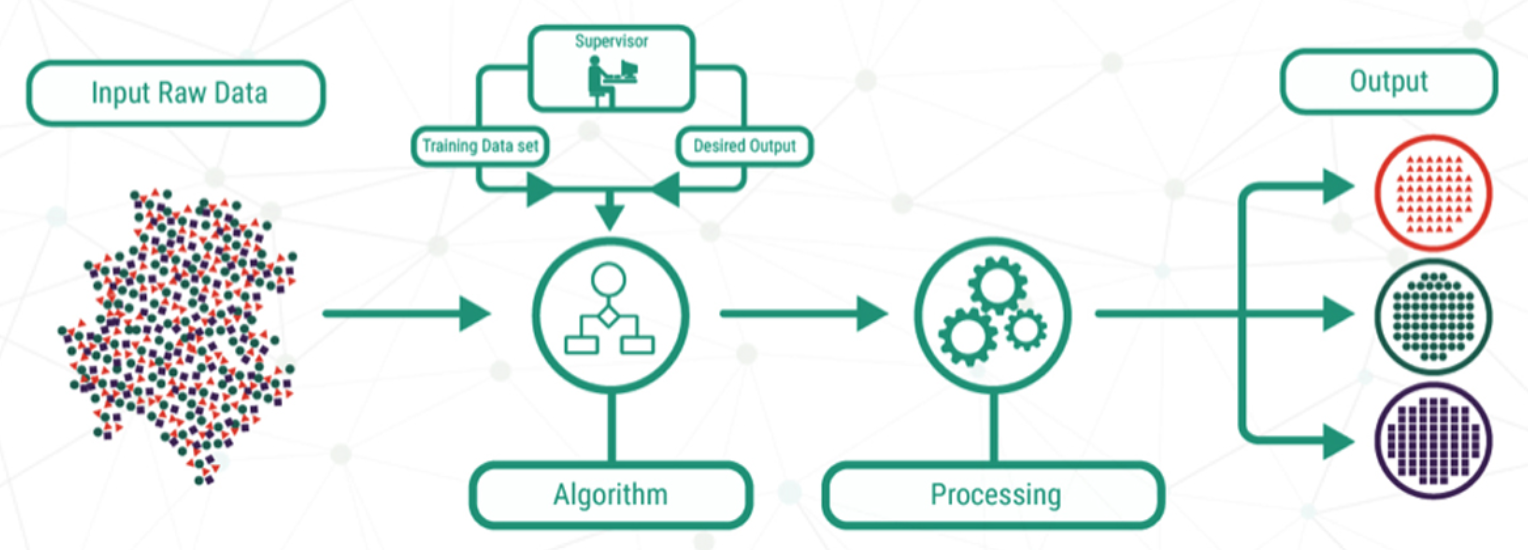
These architectures offer high transparency and predictability, making them ideal for strict compliance checks, access control, and well-defined diagnostic tasks. However, unlike machine learning, they do not adapt to unseen data or learn on their own.
components of Rule based system Using a decision matrix to process data A production system is an example of rule based systems: its knowledge base is a rule set, its inference engine is a rule interpreter that decides when to apply which rules, and its working memory contains the data that are examined and modified in the inference process.
These systems range from simple logic gates to complex expert systems. Here are a few real-world examples across different industries:
Healthcare: An expert diagnostic system might use the following rule: IF the patient's temperature > 38° C AND the patient has a stiff neck THEN recommend "urgent meningitis screening".
Banking: To detect suspicious credit card activity, a bank's system might operate using this rule: IF a purchase exceeds $1,000 AND is from an unrecognized foreign IP address THEN freeze the card and send an SMS alert.
Customer Support: A smart chatbot triaging issues uses this logic: IF the user types "returns" THEN route the chat to the Refund Department and display the return policy URL.
Home Automation: Smart thermostats and security systems use simple environment rules: IF the front door sensor is triggered AND the clock time is after 10:00 PM THEN turn on the living room lights and sound the alarm.
The Application: Management
For management, rule-based systems offer unparalleled transparency and control, mimicking how human experts solve knowledge-intensive problems.
Explainability: Because the system follows explicit human rules, every decision can be audited, traced, and justified.
Compliance & Policy: Ideal for industries with strict regulatory requirements, such as banking or healthcare, where rules must be enforced uniformly.
While modern machine learning has largely replaced rule-based systems in unstructured tasks (like pattern recognition or natural language processing), rules remain vital. Today, they are often integrated into hybrid systems—working alongside machine learning models to enforce strict business guidelines, ensure safety protocols, or serve as the foundational architecture for expert systems.
Comments (0)
No comments yet. Be the first to share your thoughts.
Comments (0)
No comments yet. Be the first to share your thoughts.