Education
Innovation, The Feeling of Necessity
September 2, 2026 · 39 views ·by Odeyemi Oluwafemi
Innovation springs from a deep feeling of necessity when a problem, constraint, or survival challenge demands an immediate solution.
A feeling of necessity is an internal psychological drive that makes an action feel like an absolute must rather than a simple choice.
A feeling of necessity is an internal psychological drive that makes an action feel like an absolute must rather than a simple choice.
What is a Feeling of Necessity?
Necessity is literally the mother of invention ( Plato)
Necessity is literally the mother of invention ( Plato)
An Urgent Push: It is a strong, inner pressure that tells you to act right now.
Beyond Duty: You do not act just because someone told you to; you act because your heart and mind demand it.
Identity and Focus: It links your personal goals to who you are, making it hard to ignore your tasks.
Why Necessity Drives Innovation
Why Necessity Drives Innovation
Solving Real Problems: People rarely create new things out of pure boredom; they build solutions because something is broken or missing.
Overcoming Constraints: Strict limits and difficult conditions force people to be resourceful and find clever ways around obstacles.
Survival and Adaptation: In tough environments or crises, adapting is not optional, which leads to breakthroughs like mobile payment systems or new medical tools.
Why It Drives Action
No Room for Doubt: When you feel a true necessity, you stop wishing and start doing.
Overcoming Obstacles: It gives you the energy and creativity to push through hard problems.
The Difference from Wanting: Wanting a goal is a preference, but needing it makes success mandatory.
Turning Need into Action
Turning Need into Action
When you face a strong sense of urgency, it cuts through hesitation. Instead of waiting for the perfect moment, the pressure of a real need pushes you to test ideas, make quick changes, and create value
A feeling of necessity is the deep emotional or psychological drive where an action transitions from a mere preference to an absolute must. It is a powerful internal state that compels you to act immediately, collapsing the gap between wanting to do something and actually getting it done.
Here is a breakdown of how this feeling operates across psychology, language, and everyday motivation:
Examples in Daily Life
Basic Survival: Needing air, water, and food to stay alive.
Deep Protection: Feeling an urgent push to keep your family safe.
Achieving Goals: Reaching a point where failing your goal feels worse than the hard work it takes to succeed
The Psychology of Urgency
The Psychology of Urgency
Unlike passive desires, a feeling of necessity introduces what psychologists call phenomenal urgency. When you experience it:
- The Pressure to Act: The feeling itself acts as the trigger. You don't pause to deliberate or weigh options; the brain recognizes a state that must change immediately.
- Identity Engagement: High performance necessity links your actions to your identity. If you don't act, you feel like you are failing your own standards, obligations, or potential.
- The Survival Instinct: At its root, this feeling mirrors biological homeostasis. Just as hunger forces you to seek food, psychological necessity forces you to resolve an urgent problem.

How it Differs from 'Importance'
It is easy to confuse something being important with something being necessary, but the internal feeling is entirely different:
- Importance is analytical. You recognize that an action is beneficial or valuable, but you can still choose to postpone it without immediate internal distress.
- Necessity is non-negotiable. It carries mandatory weight. If the need is left unmet, it results in severe personal, professional, or physical consequences.

Interestingly, the relationship is a continuous loop. While historical eras relied on necessity to spark breakthroughs, modern fast-paced technology often creates a reverse effect where innovation becomes the father of necessity.
When a groundbreaking technology enters the market (such as the internet, smartphones, or advanced AI), it disrupts old business models entirely. It creates a brand-new landscape where adapting to that technology suddenly becomes an absolute necessity for survival, starting the cycle of problem-solving all over again.
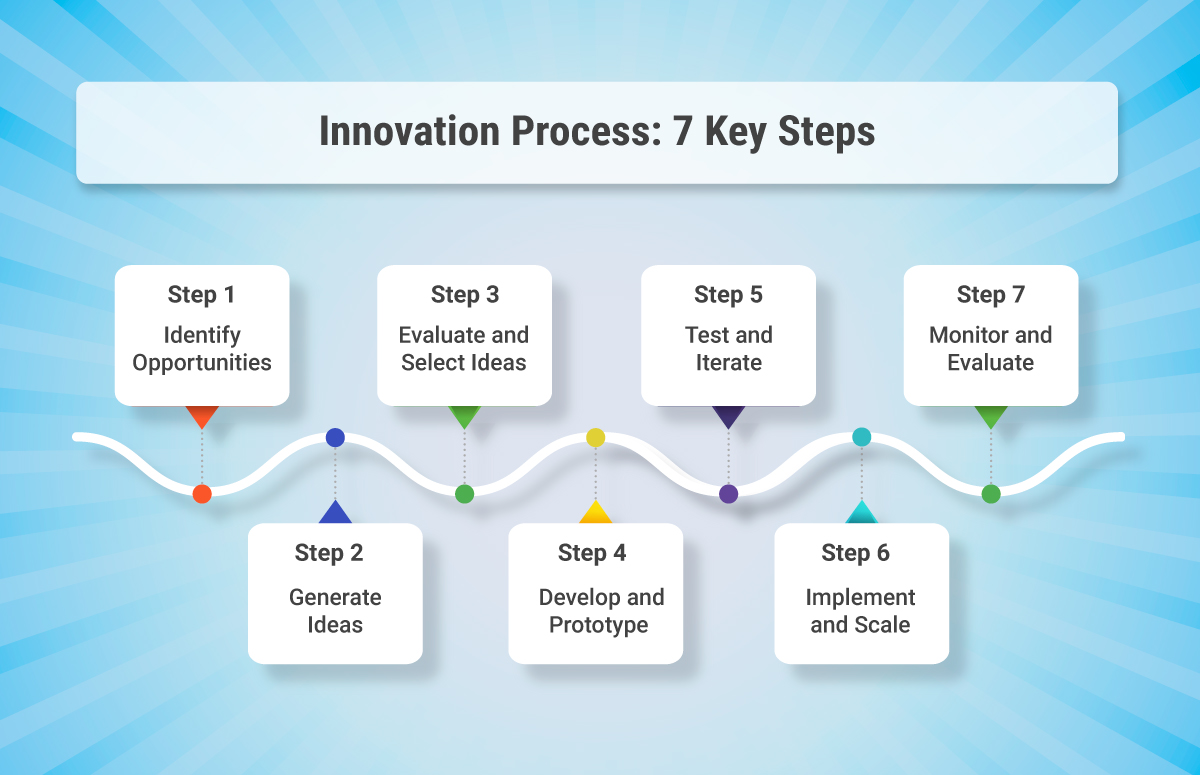
Innovation is best understood as a process driven by necessity: a clear gap between what exists and what is required. When a need becomes unavoidable—due to safety risks, cost pressures, resource constraints, regulatory demands, or performance limits—teams translate that pressure into measurable requirements, then iterate through design, testing, and refinement until a solution reliably closes the gap. The “feeling of necessity” is therefore not a vague motivation but a practical signal that failure to change has a quantifiable cost, which accelerates decision-making, prioritization, and investment.
In industry, this often appears as rapid prototyping, tighter feedback loops with users, and disciplined experimentation to reduce uncertainty; in science and engineering, it shows up as targeted hypotheses, instrument upgrades, and repeatable validation. Successful innovation typically combines three elements: a well-defined problem statement, a feasible technical pathway, and an implementation plan that addresses adoption barriers such as integration with existing systems, training, supply chain readiness, and maintenance. Over time, necessity-driven innovation can shift from solving immediate constraints to creating new capabilities that redefine the baseline of what is considered necessary, turning a one-time response into a durable competitive advantage.
Innovation is best understood as a process driven by necessity: a clear gap between what exists and what is required. When a need becomes unavoidable—due to safety risks, cost pressures, resource constraints, regulatory demands, or performance limits—teams translate that pressure into measurable requirements, then iterate through design, testing, and refinement until a solution reliably closes the gap. The “feeling of necessity” is therefore not a vague motivation but a practical signal that failure to change has a quantifiable cost, which accelerates decision-making, prioritization, and investment.
In industry, this often appears as rapid prototyping, tighter feedback loops with users, and disciplined experimentation to reduce uncertainty; in science and engineering, it shows up as targeted hypotheses, instrument upgrades, and repeatable validation. Successful innovation typically combines three elements: a well-defined problem statement, a feasible technical pathway, and an implementation plan that addresses adoption barriers such as integration with existing systems, training, supply chain readiness, and maintenance. Over time, necessity-driven innovation can shift from solving immediate constraints to creating new capabilities that redefine the baseline of what is considered necessary, turning a one-time response into a durable competitive advantage.
Comments (0)
No comments yet. Be the first to share your thoughts.