Business
THE STRANGE THINGS PEOPLE HAVE TURNED INTO BUSINESSES
August 20, 2026 · 16 views ·by Emma-Golden
THE STRANGE THINGS PEOPLE HAVE TURNED INTO BUSINESSES
Some business ideas sound brilliant the moment you hear them.
Others make you stop and ask, “People actually pay for that?”
Yet the business world has repeatedly shown us that something does not have to look extraordinary to become profitable. Sometimes, the most interesting businesses are created from ordinary activities, strange ideas, personal interests or problems that people have simply learned to tolerate.
The real opportunity is often not in inventing something completely new.
It is in noticing something everyone else has overlooked.
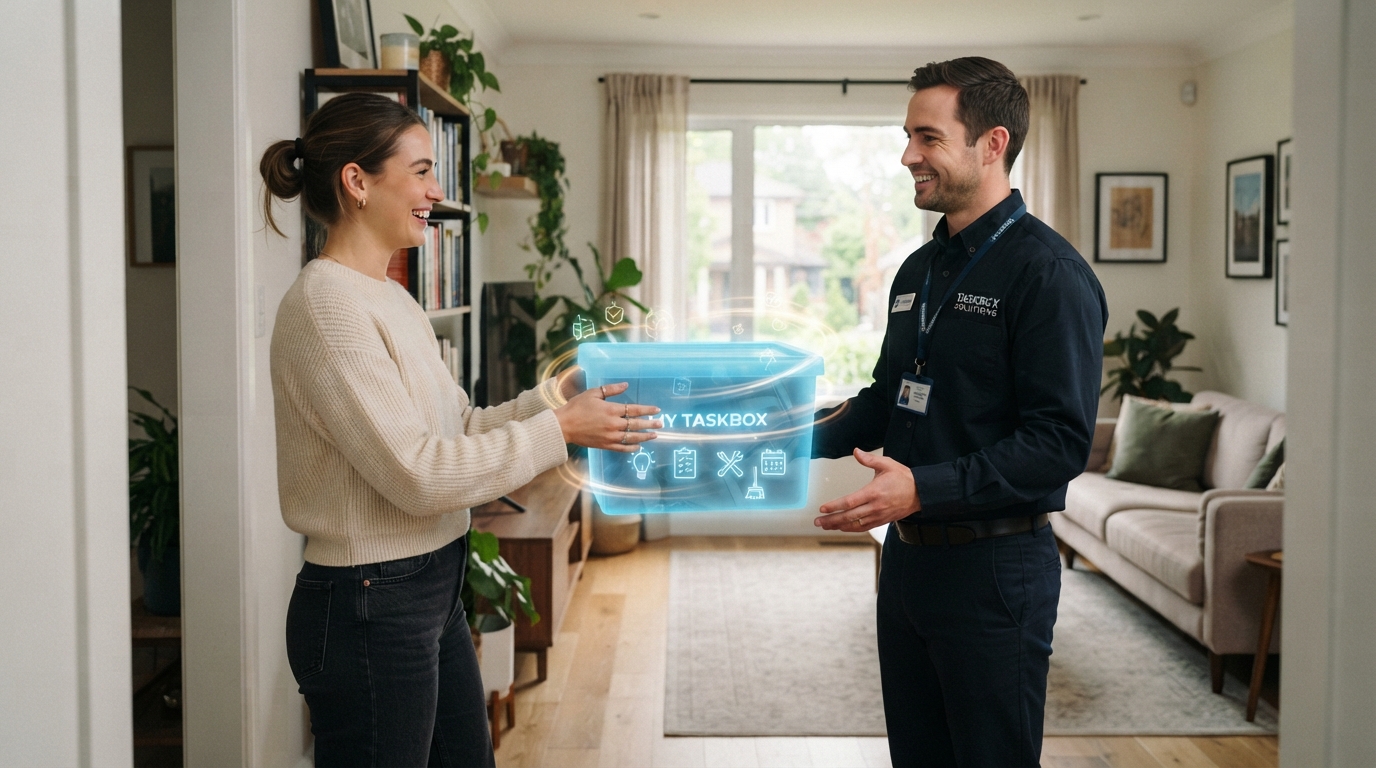
Think about convenience.
People are constantly looking for ways to save time and reduce stress. They order food instead of cooking. They pay for delivery instead of travelling to pick something up. They hire people to clean, organize, design, edit, write, photograph, repair or manage tasks they don't have the time or skills to handle themselves.
None of these ideas necessarily sounds revolutionary.
But when enough people experience the same problem, that problem becomes a market.
This is one of the simplest ways to understand entrepreneurship: find something people struggle with and create a better way to deal with it.
The solution doesn't have to be complicated.
Sometimes people are willing to pay simply because you made something easier.
WHEN HOBBIES BECOME INCOME
The rise of the creator economy has made this even more interesting.
Photography, cooking, gaming, makeup, fashion, fitness, storytelling, voice acting, graphic design and even reviewing products can become business opportunities.
A hobby can remain a hobby, of course. But when someone discovers that other people value the skill, knowledge or entertainment they provide, the hobby can become an income stream.
A person who loves baking might begin by making cakes for friends. Those friends recommend the cakes to other people. More orders arrive. The person creates a social media page, develops packaging, establishes prices and eventually builds a bakery brand.
The business didn't necessarily begin with a huge investment.
It began with a skill and an audience that valued it.
THE BUSINESS OF THINGS PEOPLE DON'T WANT TO DO
There is also a huge market for tasks people simply don't want to handle themselves.
Think about errands.
Think about laundry.
Think about cleaning.
Think about waiting in long queues.
Think about assembling furniture.
Think about managing social media accounts.
Think about writing documents or editing videos.
There are countless tasks that people can technically do themselves but would rather pay someone else to handle.
That creates an important business principle:
People don't only pay for products. They pay to save time, effort and energy.
A business can therefore succeed by removing friction from someone's life.
“WHO WOULD PAY FOR THAT?”
One of the biggest mistakes entrepreneurs can make is judging an idea only from their own perspective.
You might think something is unnecessary because you would never pay for it.
But you are not the entire market.
Something that seems useless to one person might be extremely valuable to another.
Someone may happily pay for convenience. Another person may pay for luxury. Someone else may pay for entertainment. Another customer may pay because they simply don't have the time to do something themselves.
The important question isn't:
“Would I personally buy this?”
It is:
“Who has a problem this can solve, and are they willing to pay for the solution?”
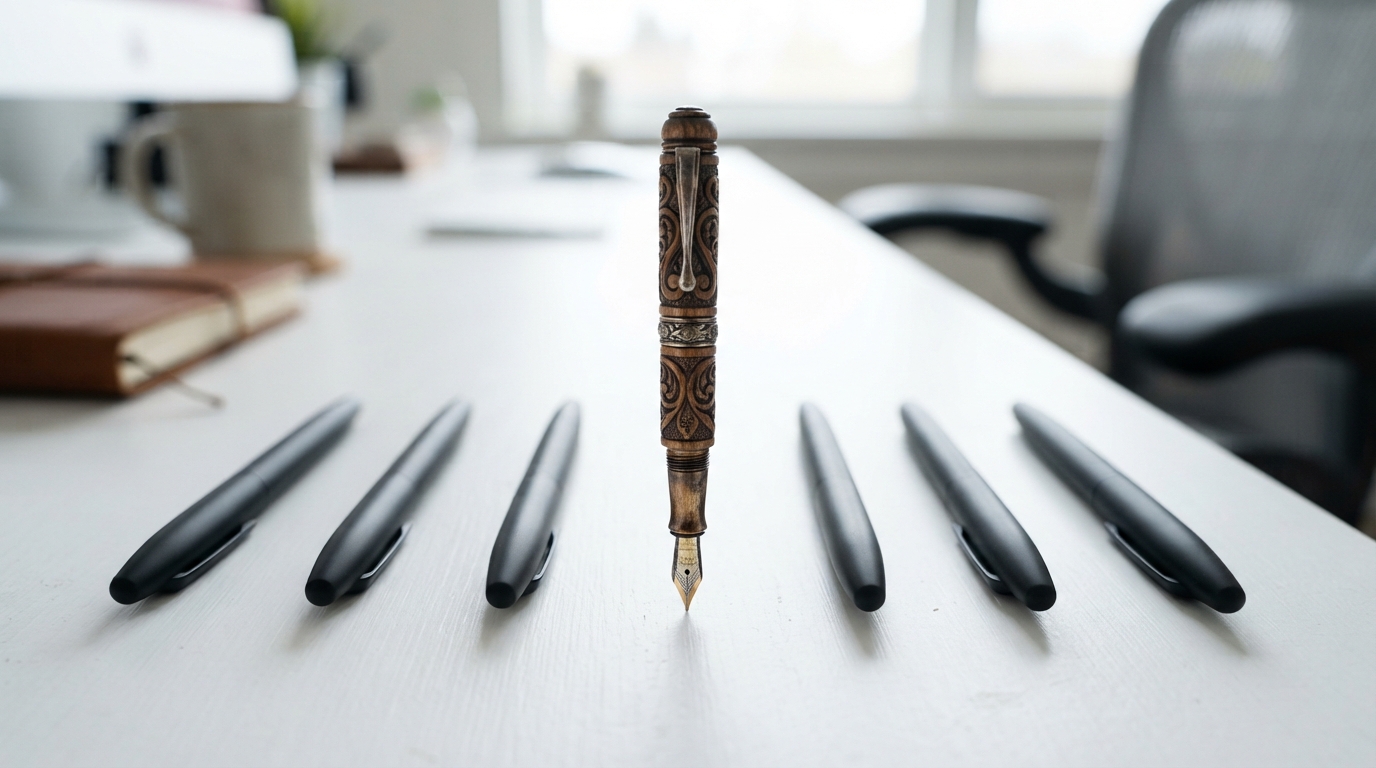
Some unusual businesses fail, of course.
An unusual idea is not automatically a good business idea. There still needs to be demand, a clear customer, sensible pricing and a way to deliver the product or service effectively.
But unusual ideas can have one major advantage: they can stand out.
When everyone is selling the same thing in the same way, a business that approaches the market differently can attract attention.
That difference can become its identity.
And sometimes, being memorable is the first step toward becoming successful.
LOOK AGAIN
The next big business idea might not come from a massive corporation or an expensive laboratory.
It could come from someone's kitchen.
Someone's bedroom.
Someone's hobby.
Someone's frustration.
Someone's simple observation that says, “There has to be an easier way to do this.”
That is often where entrepreneurship begins.
Not with a perfect business plan.
Not with millions in funding.
But with the ability to notice an opportunity where everyone else sees an ordinary problem.
Sometimes the strangest business idea is simply an ordinary idea that someone had the courage to take seriously.
Comments (0)
No comments yet. Be the first to share your thoughts.