Business
WHY DO WE LOVE SOME BRANDS LIKE PEOPLE?
August 20, 2026 · 14 views ·by Emma-Golden
WHY DO WE LOVE SOME BRANDS LIKE PEOPLE?
Have you ever found yourself defending a brand as if you personally know the people behind it?
Maybe someone criticizes your favourite phone brand, clothing brand, restaurant or streaming platform, and suddenly you have five reasons why they are wrong. Or perhaps you automatically choose the same brand every time you shop, even when another option is cheaper.
At first glance, it seems like a simple purchasing decision. But sometimes, something much deeper is happening.

We don't always connect with brands because of what they sell. We connect with them because of what they represent and how they make us feel.
Think about some of the world's most recognizable brands.
Apple doesn't simply sell phones and computers.
Nike doesn't simply sell shoes.
Coca-Cola doesn't simply sell soft drinks.
Over time, these companies have built identities around ideas, emotions and lifestyles.
Apple doesn't simply sell phones and computers.
Nike doesn't simply sell shoes.
Coca-Cola doesn't simply sell soft drinks.
Over time, these companies have built identities around ideas, emotions and lifestyles.
Apple has positioned itself around creativity, innovation and individuality.
Nike consistently connects its products with ambition, performance and determination.
Coca-Cola has spent decades associating itself with happiness, friendship, celebration and togetherness.
Nike consistently connects its products with ambition, performance and determination.
Coca-Cola has spent decades associating itself with happiness, friendship, celebration and togetherness.
The product is important, but the story surrounding the product can be just as powerful.
WE BUY WITH EMOTION
Human beings like to believe that we make purchasing decisions based entirely on logic.
We compare prices. We check specifications. We read reviews. We calculate whether something is worth the money.
But emotions often enter the decision long before we realize it.
Imagine two products that perform almost the same function.
One has a strong reputation, beautiful packaging, a recognizable identity and thousands of loyal customers. The other is relatively unknown.
One has a strong reputation, beautiful packaging, a recognizable identity and thousands of loyal customers. The other is relatively unknown.
Even if the second product is cheaper, many people will still choose the first.
Why?
Because they are not only purchasing the product. They are purchasing confidence.
They believe the familiar brand will deliver. They may also like what the brand says about them. Choosing a particular brand can become a way of expressing personality, lifestyle, taste or even social identity.
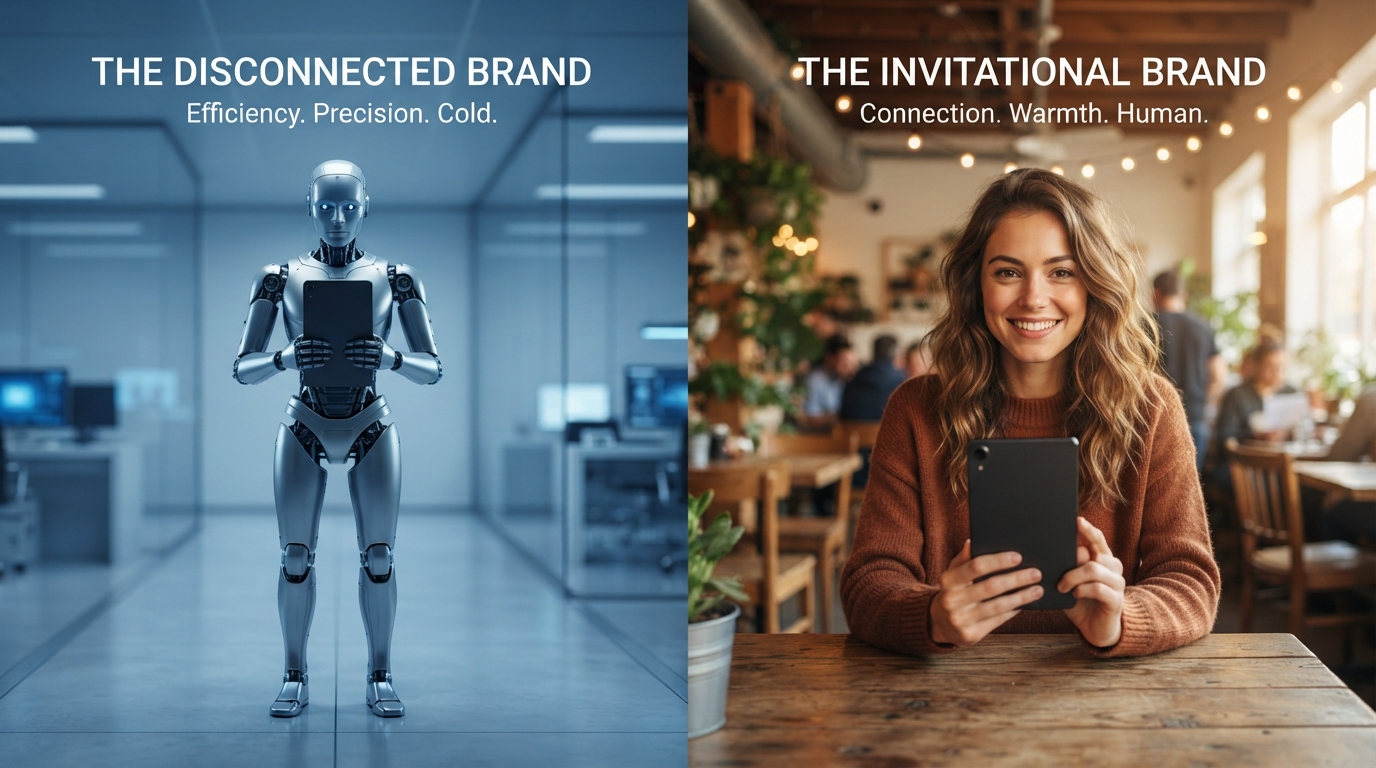
One of the most interesting things about branding is that companies can develop personalities.
Some brands sound serious and professional. Others are playful, funny and conversational. Some appear luxurious and sophisticated, while others deliberately position themselves as affordable, friendly and accessible.
These personalities influence how customers perceive them.
Imagine meeting two businesses that sell exactly the same product.
One communicates in a cold, robotic way.
The other communicates warmly, understands its audience and consistently makes customers feel valued.
One communicates in a cold, robotic way.
The other communicates warmly, understands its audience and consistently makes customers feel valued.
Which one are you more likely to remember?
The answer is obvious.
People naturally connect with personalities. So when a brand develops a clear personality, it becomes easier for customers to form a relationship with it.
CONSISTENCY CREATES FAMILIARITY
There is another reason certain brands become emotionally powerful: consistency.
When customers repeatedly encounter the same colours, tone, style, packaging, message and quality, the brand becomes familiar.
And familiarity can create trust.
This is why successful brands don't completely reinvent themselves every week. They evolve, but they usually maintain recognizable elements that remind customers who they are.
Over time, customers don't have to think too hard.
They see the colour. They recognize the logo. They hear the slogan. They hear the brand's voice.
And their brain already knows what it is.
THE BRAND BECOMES PART OF THE CUSTOMER'S LIFE
The strongest brands eventually become connected to moments in people's lives.
A particular drink may remind someone of family gatherings. A clothing brand may represent a person's personal style. A restaurant may become the place where friends celebrate birthdays. A particular technology brand may be associated with someone's first major career achievement.
At that point, the customer is no longer simply interacting with a company.
The brand has become part of their personal story.
And that is incredibly powerful.
WHAT ARE PEOPLE REALLY BUYING?
Sometimes, people are buying a product.
But sometimes, they are buying confidence, belonging, convenience, identity, nostalgia, status or excitement.
That is why two businesses can sell similar products and still have completely different levels of customer loyalty.
The product may get someone's attention.
The experience and emotion can make them stay.
The businesses that understand this don't only focus on making customers buy. They focus on giving customers a reason to remember, trust and connect with them.
Because in the end, the strongest brands don't just live on shelves, websites or advertisements.
They live in people's minds.
Comments (0)
No comments yet. Be the first to share your thoughts.